 Suno Downloader AI
AI ambient music: how to make textures and space
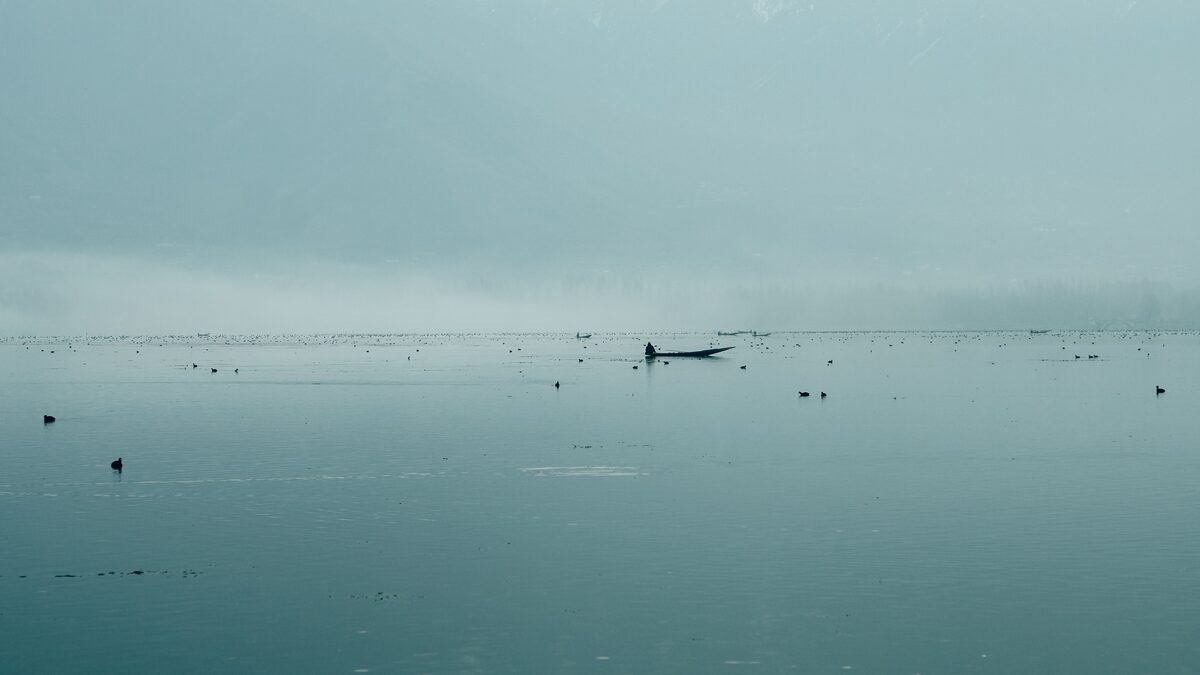
You put a record on to work by, and an hour later you notice it is still playing. You could not hum a single line of it, could not tell anyone where one part ended and the next began, and yet the room has felt different the whole time. Softer at the edges. Easier to sit inside. That is ambient music doing exactly what it is meant to do, which is to change the air in a space without ever stepping forward to ask for your attention. It is the rare kind of music you can almost forget is there, and that forgetting is not a failure. It is the whole point.
Ambient is one of the most rewarding things you can make with an AI music tool, precisely because it asks so little of the usual songwriting machinery. There is no chorus to nail, no hook to sweat over, no verse that has to rhyme. What ambient asks for instead is a feel for texture and space, a patience with slowness, and a willingness to let sound sit still and breathe. If you have ever wanted to make music but felt daunted by melody and structure, this is the door that is already open. Below is a way of thinking about ambient that should help you describe what you want and recognize it when the tool gives it back to you.
Ambient is space, not songs
The first thing to let go of is the idea that a piece of music has to go somewhere. A pop song is a journey with a shape you can draw, a beginning, a rise, a payoff, an end. Ambient is closer to a room you walk into. It has a mood the moment you arrive, and it holds that mood while you move around in it. Things drift and shift, but they do not build toward a climax and they do not resolve on a final chord that tells you the story is over. The music is less an event than an environment.
Brian Eno, who gave the genre its name, described ambient as music that should be as ignorable as it is interesting, something that rewards attention without demanding it. That double quality is the target. A good ambient piece can sit under a conversation without ever intruding, and it can also hold up if you close your eyes and listen closely, revealing small movements and colors you missed the first time. When you make ambient, you are not writing a tune that people will sing. You are shaping a space that people will spend time in, and that shift in intention changes everything about how you describe what you want.
Practically, this means you should stop thinking in terms of parts and start thinking in terms of atmosphere. Instead of a verse and a bridge, imagine a color, a temperature, a weather. Is the space warm or cold, bright or dim, close or vast. Those are the words that will serve you when you sit down to prompt, far more than any request for a catchy melody, because they describe the thing ambient actually is.
Drones and evolving pads
At the heart of most ambient music sits a drone. A drone is a sustained tone or chord that holds underneath everything, a low continuous hum that gives the piece its floor and its sense of stillness. It does not move much, and that is its job. The drone is the ground you stand on while other, subtler things happen above it. Some of the most affecting ambient is little more than a single beautiful drone, slowly shifting in brightness and thickness, played long enough that you sink into it.
Above the drone live the pads. A pad is a soft, sustained sound, usually made from washes of synth or blurred instruments, that fills the middle of the space with warmth and color. Where a drone stays put, a pad breathes. The most important word for ambient pads is evolving, because a static pad quickly becomes wallpaper, while a pad that slowly changes keeps the piece quietly alive. You want tones that swell and fade, that brighten and dim, that seem to drift in and out like light moving across a wall through the afternoon. When you describe what you want, ask for evolving pads and slow movement rather than a fixed sound, and you will get music that feels like it is gently breathing rather than simply holding a note.
Texture is the third ingredient, and it is often what separates flat ambient from the kind you want to live in. Texture is the grain of the sound, the faint hiss of tape, the soft crackle, the distant reverb tails, the tiny imperfections that make a wash of tone feel like a real place rather than a clean digital surface. Asking for warmth, for tape saturation, for a sense of air and distance, tells the tool to roughen the sound in the small ways that make it feel human and lived in.
The absence of rhythm
Most music is organized by time. A beat divides the seconds into a grid, and everything hangs on that grid, so you always know where you are. Ambient, at its purest, throws the grid away. There is often no beat at all, no pulse to count, nothing keeping strict time. Sounds enter and leave when they please. This absence is not a lack. It is the source of ambient's particular spaciousness, because without a beat pushing you forward, time stops feeling like a line you are traveling along and starts feeling like a pool you are floating in.
Removing rhythm changes how the music sits in your body. A beat makes you want to move, to nod, to tap, and that is wonderful for most music, but it is exactly what you do not want when the goal is to settle and soften. Beatless music lets your own breathing become the only pulse in the room. This is why so much ambient works for sleep, meditation, and deep focus. There is nothing tugging your attention along, so your mind is free to slow to its own rhythm or to wander wherever it needs to go.
When you prompt for ambient, it is worth saying plainly that you want it beatless, or with no percussion, or with no rhythm. The word ambient alone will usually get you close, but tools sometimes reach for a gentle pulse to fill the space, and being explicit keeps the piece open and still. If you do want some sense of motion, ask for it in the softest possible terms, a slow swell, a distant heartbeat, a sound that comes and goes like tide rather than a beat that keeps time. The moment a steady rhythm arrives, the music tips out of ambient and into something else.
Dark ambient and space ambient
Ambient is not all soft light and warm pads. Two of its most striking corners are dark ambient and space ambient, and both are well worth exploring once you have the basics in hand. Dark ambient trades warmth for shadow. It leans on low, ominous drones, dissonant tones, and unsettling textures to build a mood of dread, mystery, or unease. It is the sound of an abandoned building, a deep cave, a half-remembered nightmare. If you make anything that wants a haunted or foreboding atmosphere, a game level, a horror scene, a moody backdrop, dark ambient is the palette to reach for. Ask for low ominous drones, cold metallic textures, distant echoes, and a sense of dread, and let the tool build something that raises the hairs on your neck.
Space ambient points the other way, outward and upward. It aims for the vast, the cold, and the awe of deep space, all shimmering pads, slow endless drones, and a sense of enormous distance. This is music that makes a small room feel like it opens onto the void, weightless and immense at once. It suits anything that wants wonder or solitude on a cosmic scale, and it is a natural fit for late-night listening when you want to feel very small in a good way. Ask for vast shimmering pads, a slow cosmic drift, deep endless space, and a feeling of floating among the stars.
Both of these are ambient because they still refuse to become songs. They have no hooks and usually no beat. They simply choose a different emotional temperature, and knowing they exist gives you a much wider range to work in. The table below lays out a handful of ambient moods alongside the sounds and words that tend to evoke them, as a starting point you can bend to your own taste.
| Mood | Core sound | Words to reach for |
|---|---|---|
| Warm and calming | Soft evolving pads, gentle drone | Warm, soft, gentle, hazy, comforting |
| Deep focus | Steady drone, minimal movement | Still, quiet, subtle, unobtrusive, flowing |
| Dark and uneasy | Low ominous drones, dissonance | Cold, foreboding, shadowy, distant, tense |
| Vast and cosmic | Shimmering pads, endless drift | Vast, weightless, floating, immense, glacial |
| Sleep and rest | Beatless wash, slow swells | Slow, dreamy, soothing, faint, blurred |
Shape a space of your own
Describe a mood, ask for drones and evolving pads, and let the tool build a room of sound. When you find a piece you want to keep, download the file so it is always ready to play.
Open the free downloaderWhat ambient is for
Part of ambient's quiet appeal is how many different corners of life it fits. The most common use is focus. Because it has no beat and no words to follow, ambient gives the working mind a soft floor of sound to rest on, covering the sharp edges of a noisy room without pulling attention the way a song with lyrics inevitably does. Many people who cannot work in silence and cannot work to music with a hook find that ambient is the one thing that lets them disappear into a task for hours.
Sleep and rest are the other great use. A slow, warm, beatless piece can ease a racing mind toward stillness far more gently than silence, which often leaves the brain free to chase its own worries. The same qualities make ambient a natural bed for meditation and breathing practice, where a steady tone gives the attention something soft to return to. If that is your aim, our guide to AI meditation music goes deeper into shaping tracks for calm and practice.
Beyond the personal, ambient has a long life as art and atmosphere. It fills galleries and installations, where a wash of sound sets the mood of a space without competing with what is on the walls. It scores quiet moments in films and games, holding tension or wonder under a scene. It plays in yoga studios, spas, and waiting rooms, softening the air of a place so people feel more at ease the moment they walk in. Once you start making it, you will notice how many spaces are quietly asking for exactly this kind of sound.
Prompting for texture instead of tunes
All of this comes down to a single shift in how you write your prompts. When most people describe music, they reach for melody words, catchy, upbeat, a strong hook, a memorable chorus. For ambient, those words work against you, because they push the tool toward songs. What you want instead is a vocabulary of texture and space. Describe the material of the sound, warm, glassy, grainy, blurred, hazy. Describe the space it lives in, vast, close, cavernous, distant, underwater. Describe the movement, slow, drifting, evolving, still, floating. These are the words that tell the tool you want an environment, not a tune.
It also helps to name what you do not want. Saying no beat, no percussion, no vocals, no strong melody clears away the elements that would break the spell, and leaves room for the drones and pads to fill the space on their own. If you want a fully wordless result across your music, our piece on making a Suno instrumental covers how to keep vocals out and let the sound itself carry everything. For ambient in particular, the absence of a voice is usually the right call, since a lyric gives the mind something to follow and ambient is at its best when there is nothing to follow at all.
Try building your prompt in layers. Start with the emotional temperature, warm and comforting, or cold and vast, or dark and uneasy. Add the core sound, a deep drone, evolving pads, shimmering washes. Add the texture, tape warmth, soft crackle, long reverb tails. Add the space, distant, cavernous, floating. Then close by naming the absence, beatless, no vocals, slow and still. A prompt built this way gives the tool a clear picture of an environment rather than a request for a song, and the results tend to arrive far closer to what you were hoping to feel.
Above all, be patient with the process and with the music itself. Ambient rewards slowness, so give a piece time to unfold before you judge it, and give yourself a few tries before you settle. Generate several versions of the same idea and sit with each one for a while, because the differences between a flat wash and a piece you could live inside are subtle and only reveal themselves when you stop rushing. When you find the one that changes the air of your room, save it, keep it close, and let it become part of how you work, rest, and think. That is ambient at its best, a quiet piece of sound you almost forget is there, softening the edges of the room and doing its gentle, patient work the whole time you spend inside it.