 Suno Downloader AI
AI band name generator: brainstorm dozens of names fast
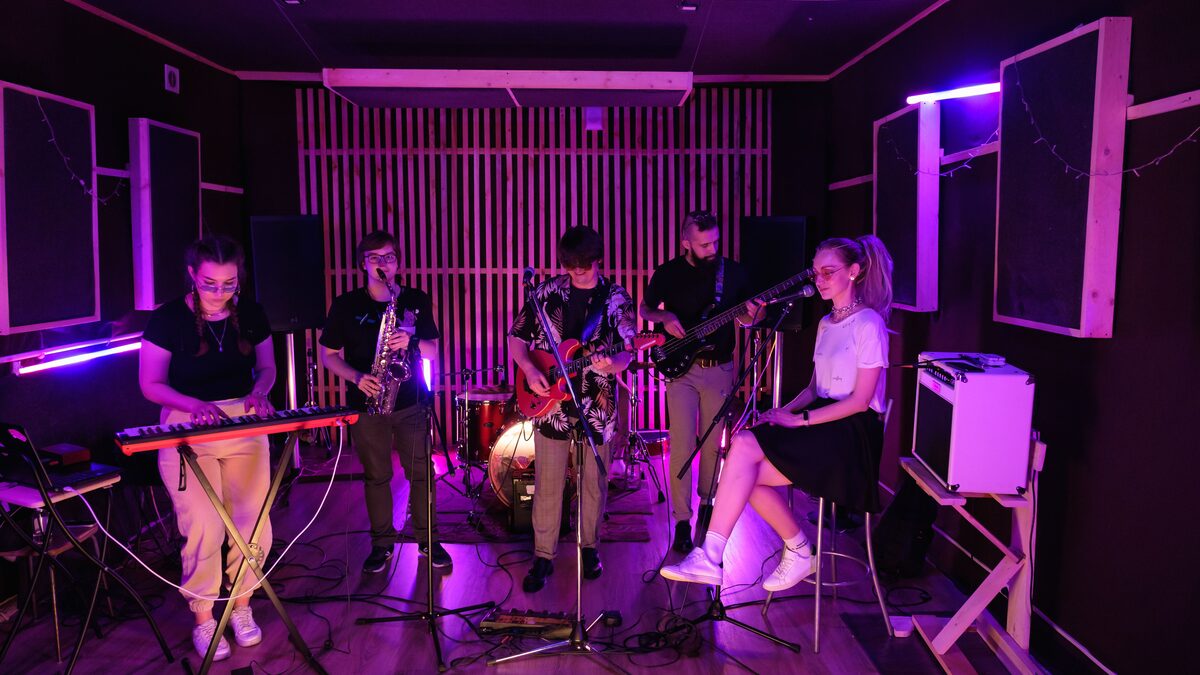
You have the songs half-written, the energy is there, and then someone in the group asks the question that stops everything cold: what are we actually called? Naming a band or a solo artist project feels like it should be the fun part, and it can be, but it also has a way of turning three friends into a debate club. One person wants something moody. One person wants a joke. Someone keeps suggesting the name of their childhood pet. An hour later you have a whiteboard full of crossed-out words and no name.
The good news is that naming is a brainstorming problem, and brainstorming is exactly the kind of thing AI is genuinely useful for. You are not asking a machine to have taste. You are asking it to produce a large pile of options quickly so that your taste has something to react to. A blank page is hard. A list of forty mediocre names with three surprisingly good ones buried in it is easy, because now you are just picking. This guide walks through what makes a name worth keeping, how to get a chatbot to generate ideas that fit your sound, how to shortlist and check whether a name is already taken, and how to turn the winner into a real release the same afternoon.
What actually makes a good band name
Before you generate anything, it helps to know what you are looking for, because otherwise every option looks equally fine at midnight. A few qualities separate names that work from names you quietly regret.
The first is memorability. A good name sticks after one hearing. That usually comes from a small amount of friction: an unexpected word pairing, a strong image, a rhythm that is satisfying to say. Names that are too generic slide right out of memory. Names that are too clever can be fun once and tiring by the tenth time. You are aiming for something a stranger could repeat to a friend without getting it wrong.
The second is that it should be easy to say and easy to search. Say the name out loud and imagine someone hearing it at a loud show, then trying to find you later. If they cannot spell it, they cannot find you. Deliberately weird spellings feel edgy on paper and become a lifelong tax every time you tell someone your name over the phone. If you do want an unusual spelling, make sure the sound of it is unmistakable so people at least land on the right search.
The third is fit. A name sets an expectation. A soft, dreamy word promises one thing, and a harsh, clipped word promises another. There is room to play against type, and some of the best names do exactly that, but the contrast should feel intentional rather than random. If you make gentle acoustic songs and your name sounds like a metal band, be ready for that to be a running conversation.
The fourth, and the one people skip until it hurts, is availability. A name that is already carried by an established act is a name you cannot really use. Beyond the legal side, sharing a name means sharing search results, streaming profiles, and social handles, and you will always be the second result. Checking this early saves you from falling in love with something you have to abandon.
Why AI is good at the messy first pass
Here is the honest framing: AI is not going to hand you a perfect name that you accept without changes. What it is good at is volume and variety. Left to your own brain, you tend to circle the same handful of ideas and the same few words. A chatbot does not get attached, does not get tired, and will happily give you twenty more when the first twenty miss. That changes the job from inventing to selecting, and selecting is far easier.
It is also good at combinations you would not reach on your own. Ask for names that pair a nature word with a mechanical word, or names that sound like a place that does not exist, and you get output that nudges your thinking sideways. Even the bad suggestions earn their keep, because a name you reject often contains one word worth stealing for a better idea.
Got a name and a song idea?
Once you have picked a name, you will want a track to release under it. Make something, then grab a clean MP3 to share everywhere.
Open the free downloaderHow to prompt a chatbot for band name ideas
The quality of what you get back depends almost entirely on how much you tell the AI up front. A lazy prompt like "give me band names" produces lazy, generic output. A specific prompt produces options that already feel close.
Give it four things: your genre, the mood or vibe you want, a few reference points, and any hard rules. Genre sets the sonic neighborhood. Mood narrows it down, because two bands in the same genre can feel completely different. Reference points help the AI calibrate, so naming three artists whose vibe you admire is worth more than a paragraph of adjectives. Hard rules keep the output usable, so tell it whether you want one word or two, whether to avoid a certain letter, or whether you never want the word "the" at the front.
A prompt might read like this: "Suggest twenty-five band names for a dreamy, slightly sad indie folk project. Think quiet, rainy, small-town feeling. Fans of that hushed, intimate acoustic sound would like us. I want mostly one or two word names, easy to spell, nothing with numbers. Avoid anything that sounds like a metal band." That gives the AI enough to aim, and you will notice the difference immediately.
Then keep going. The first batch is a warmup. When something almost works, say so and ask for variations on that specific direction. "I like the third and ninth ones, they feel calm and a little lonely. Give me fifteen more in that exact lane." This is where the real value shows up, because you are steering now instead of starting over. You can also ask it to explain the feeling behind a few names, which sometimes reveals why one clicks and helps you describe what you actually want.
A few extra moves that produce interesting results: ask for names built from a specific pair of themes, ask for names that would look good in all lowercase on a poster, ask for names that hint at a story without spelling it out, or ask it to riff on a single word you already love. If you have a lyric or a song title you are proud of, feed that in and ask for names that share its mood. The more raw material you give, the more the output feels like yours rather than a random generator.
From a long list to a shortlist
Now you have a page full of candidates, which feels like progress until you realize forty options is its own kind of paralysis. The goal is to get to three or four you could genuinely picture on a poster.
Do a fast first pass on gut feeling alone. Read the list quickly and mark anything that makes you pause in a good way. Do not justify it yet, just react. This usually cuts the list in half and surfaces the ones with real pull.
For the survivors, run the practical tests. Say each one out loud, ideally to another person, and watch whether they get it on the first try. Imagine it announced from a stage and printed small on a festival lineup where yours is one name among fifty. Picture it as a social handle and as a logo. Ask whether it still feels right if you imagine making music for five more years, because a joke name can wear thin and a name that boxes you into one exact sound can start to feel like a cage.
Try to sit with your top few for at least a day before committing. Names have a honeymoon effect where everything sounds brilliant at one in the morning. The ones that still feel right after a night of sleep are usually the keepers. If you are choosing as a group, have everyone rank their top three privately and then compare, which avoids the loudest person in the room simply winning by volume.
Checking whether the name is already taken
This is the step that turns a favorite into a final choice, and it is worth doing before you get too attached. The specifics of which tools to use change over time, so check current options rather than trusting any single method, but the general process is stable.
Start with a plain search engine query for the exact name plus the word "band" or "music." If an active artist with any following already holds it, that is usually a hard stop. Then check the major streaming platforms directly, since a name can be quiet on the open web but already sitting on a profile with releases. Look at the main social platforms for the handle, because a consistent handle across services is genuinely useful and a taken one is a daily annoyance.
Check domain availability if you think you might want a website someday, even a simple one. You do not need it on day one, but knowing whether the option exists helps you compare finalists. If your project could ever become a business, it is worth understanding that names can carry trademark considerations, and for anything you plan to invest real money in, a professional check is the responsible move. Most new artists are not at that stage yet, but it is good to know the ground you are standing on.
Availability tools and platforms change constantly, so treat any specific recommendation you read, including this one, as a starting point and check current options for yourself. The pattern to remember is simple: search broadly, check the streaming and social profiles where fans will actually look for you, and confirm the name is clear enough that you will be the first result rather than the second.
Naming a solo artist project
Much of this applies whether you are a five-piece or a bedroom producer, but solo projects have their own wrinkle. You can use your real name, a stage name, or a project name that sounds like a band even though it is just you. Each choice sends a different signal. Your real name feels personal and honest and ties everything you ever make to one identity. A stage name gives you a little distance and a persona to step into. A project name lets you keep options open and can outgrow any single genre.
AI is just as useful here. Ask it to generate stage names that pair well with your first name, or project names that would suit a solo artist who might change styles later. If you want the flexibility of a band-style name while staying a solo act, say so directly and you will get options that fit. The tests are the same: easy to say, easy to find, and true to the music you actually make.
Make your first song under the new name
A name only becomes real when it is attached to something you can play for people. The best way to stop second-guessing is to release a track. This is where AI music tools come in handy, because you can go from an idea to a finished song faster than it takes to argue about the name one more time.
Describe the song you want, generate a few versions, and pick the one that matches the feeling your name promises. If your name is calm and rainy, the first release should probably not be a blast of noise, since the name and the sound are now introducing each other to every new listener. Treat the first track as a handshake between the name and the sound.
Once you have a version you like, get a clean file you can actually use. You will want it for uploading to platforms, sending to friends, dropping into a video, or handing to anyone who wants to hear what you made. A tidy MP3 is the practical unit of sharing, and having one ready means the moment of "we have a name and a song" turns into an actual post rather than a plan. If you want to sharpen your generations before that first release, our guide on getting better results from every prompt is a good next stop, and if you are brand new to making music this way, the walkthrough on writing a full song in a few minutes will get you moving.
A few naming pitfalls worth dodging
While you sort through your list, keep an eye out for the traps that catch new artists. The first is picking a name that is impossible to search because it is an everyday word or phrase. If your name is a common two-word combination, you will be competing with millions of unrelated results, and no amount of great music will float you to the top. A little uniqueness in the name pays off every time someone tries to find you.
The second trap is choosing a name that locks you into a single joke, season, or trend. Something that references a passing meme can feel clever now and dated within a year, and you do not want to explain a stale reference at every introduction for the rest of the project's life. Names that lean on a specific fad tend to age the way milk does.
The third is picking something that is genuinely hard to pronounce. If people cannot say your name confidently, they will not recommend you out loud, and word of mouth is still how most small acts grow. A name that dies in someone's mouth before they can share it is quietly costing you listeners. Read your finalists to a few people who have never seen them written down, and keep the ones that survive that test cleanly.
Keep it light
The last thing worth saying is that naming is not as permanent as it feels in the moment. Plenty of beloved acts started under a name they later changed, and the world did not end. That does not mean you should be careless, but it should take some of the pressure off. Pick something you like today, that passes the say-it-out-loud and search tests, that is not already taken, and that fits the music you are actually making. Then go make the music, because a great song under an okay name beats a perfect name attached to nothing. The band that finishes the song wins. Let AI carry the boring part of the brainstorm, keep the judgment for yourself, and get back to the reason you wanted a name in the first place.