 Suno Downloader AI
How to make an AI bluegrass song with Suno
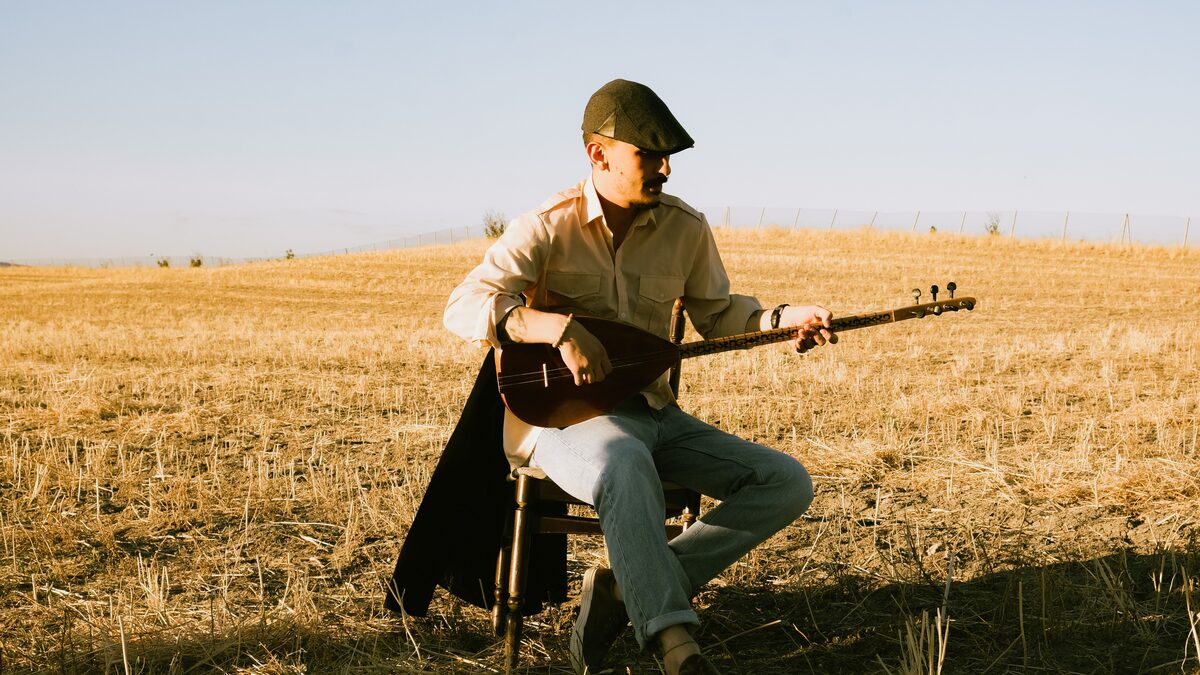
Five musicians stand close together around a single microphone. Someone kicks off a tune at a pace that seems impossible, and then the banjo rolls forward in a stream of notes, the fiddle saws out a melody, the mandolin chops the offbeats, the guitar drives underneath, and a voice climbs up high and lonesome over the top. Nobody is reading music. They are listening to each other, trading solos, pushing the tempo, and grinning when it all locks in. That is bluegrass, a music built on acoustic strings, tight teamwork, and a feeling that runs straight back to the mountains of the American South.
Bluegrass is one of the most demanding and rewarding styles to write in, because it lives or dies on the interplay of specific instruments played a specific way. The good news is that a tool like Suno can capture a great deal of that sound when you tell it exactly what you want. Making an AI bluegrass song is not about faking a fiddle. It is about understanding the tradition well enough to describe it, then steering the model toward the picking, the harmony, and the drive that make the style what it is. Let us start with the instruments themselves, because in bluegrass, the instruments are the whole story.
The banjo, fiddle, and mandolin
Every bluegrass band is built from a small set of acoustic string instruments, each with a job. Learn what they do and you can name them precisely when you prompt.
The five string banjo is the signature voice. In bluegrass it is almost always played in the three finger rolling style associated with Earl Scruggs, a technique that produces a constant cascade of notes. The banjo does not play chords so much as it plays rivers, rolling patterns that ripple under the melody and burst into flashing solos. That bright, ringing, rapid roll is the first thing most people picture when they hear the word bluegrass, and asking for a Scruggs style rolling banjo points a model right at it.
The fiddle carries melody and emotion. It can wail, cry, and dance, sliding between notes with a vocal quality that no fretted instrument can match. In fast tunes the fiddle races alongside the banjo, and in slow numbers it sings long, aching lines that lean into the sadness at the heart of a lot of mountain music. A bluegrass fiddle is bowed with a rough, driving attack, not the smooth polish of an orchestra.
The mandolin does two jobs at once. On the offbeats it delivers a sharp, percussive chop that acts almost like a snare drum, since traditional bluegrass has no drum kit at all. When its turn comes, it fires off quick, bright solos full of tremolo and rapid runs. Bill Monroe, often called the father of bluegrass, was a mandolin player, and his hard driving chop set the rhythmic template for the whole genre.
Rounding out the band are the acoustic guitar, which lays down a driving bass run and rhythm, often with a walking bass line built into the picking, and the upright bass, which thumps out the root notes and holds the low end. A resonator guitar, or dobro, played with a slide, shows up often too, adding a crying, swooping sound. When you write a prompt, list these instruments by name. A model handed the words banjo, fiddle, mandolin, and upright bass has a far clearer target than one asked vaguely for country.
The high lonesome sound
Bluegrass vocals have a name of their own, the high lonesome sound. It describes a style of singing that sits up in the top of a man's range, tense and piercing, carrying a note of grief and longing even in a happy song. The phrase came from the way Bill Monroe and the singers who followed him pushed their voices high and let them crack with feeling. It is raw, exposed, and deeply human.
This sound has roots in the old ballads that settlers brought from the British Isles, in the shape note singing of rural churches, and in the field hollers and blues of the South. All of that history feeds into a lead vocal that is bright, strained at the top, and unafraid to sound a little rough. It is not a smooth crooning voice. It is a voice that sounds like it has walked a long way and seen some hard days.
Above and around the lead sit the harmonies, and bluegrass harmony is a craft of its own. The classic arrangement stacks a high tenor above the lead and sometimes a baritone below, producing tight, close vocal blends that ring out on the chorus. On gospel numbers the band might drop the instruments entirely and sing a passage in full four part harmony, a tradition known as quartet singing. When you want this in a prompt, ask for a high lonesome lead vocal with tight bluegrass harmonies, and you capture both the strained lead and the stacked voices that answer it.
There is a reason these harmonies sound the way they do. Because the singers are chasing that bright, tense quality, the tenor part often sits uncomfortably high, right at the edge of the singer's range, which is where the ache comes from. The blend is close and pure, with the voices tucked tightly together rather than spread wide, so the chorus rings like a single instrument with several strings. It is a plain, unadorned kind of harmony, without the smooth vibrato of pop singing, and that plainness is exactly what makes it sound like home and heartbreak at once. When you prompt for it, words like close harmony, tenor harmony, and raw or plain vocal help steer the model away from a polished modern blend and toward the honest, ringing sound of a band gathered around one microphone.
Fast picking and the drive
If there is one word that separates real bluegrass from a gentle acoustic tune, it is drive. Drive is the relentless forward momentum that comes from every player leaning into the beat, pushing the tempo, and never letting the energy sag. A great bluegrass band at full speed feels like a train that is barely on the rails, thrilling precisely because it is so fast and so tight at the same time.
Fast picking is the tool that creates this. The banjo rolls, the mandolin chops hard on the offbeat, the guitar drives a walking bass run, and the whole band locks into a groove that surges ahead. Solos are traded around the circle in what players call breaks, where each instrument takes a turn carrying the melody while the others fall back to support. A fiddle break gives way to a banjo break, which hands off to a mandolin break, and the excitement builds with each pass.
Tempo is central here, so name it in your prompt. Words like fast, driving, uptempo, and barn burner push the model toward the high energy end of the tradition. If you want a slower number, and bluegrass has plenty of beautiful slow ballads and waltzes, then say slow, gentle, or mournful instead, and let the fiddle and dobro take the lead. Either way, the sense of the players listening and responding to each other is what makes the music breathe. You can hint at that with phrases like trading instrumental breaks or lively solos passed between players.
One more note on the drive. Because traditional bluegrass has no drum kit, the rhythm is carried entirely by the acoustic instruments, the mandolin chop, the bass thump, and the guitar's boom chuck pattern. If you mention drums at all, you risk pulling the model away from the acoustic feel. Instead, describe the rhythmic parts by their instruments, and the groove will stay true to the style.
Traditional versus newgrass
Bluegrass is a living tradition, and over the decades it has grown branches. Knowing where a song sits on that family tree helps you pick your words with intent.
Traditional bluegrass is the classic sound of the founders, played on acoustic strings with the high lonesome vocals, close harmonies, and hard driving tempos described above. Its subject matter tends toward the old themes, home and family, faith, heartbreak, trains, prison, and the long road back to the mountains. If you want that authentic vintage feel, lean your prompt on words like traditional, old time, acoustic, and mountain.
Newgrass, sometimes called progressive bluegrass, keeps the instruments but opens up everything else. Starting in the 1970s, players began stretching the form, borrowing chord changes from jazz and rock, extending solos into long improvisations, and sometimes adding drums or electric bass. The picking is still fast and the instruments are still acoustic strings, but the writing is more adventurous and the arrangements roam further from the tradition. If you want that flavor, reach for words like progressive, jam, jazzy, or modern alongside the core instruments.
There is a whole spectrum in between, from the polished contemporary bluegrass you hear on modern country radio to the raw old time string band sound that predates bluegrass proper. You can steer toward any point on that line by mixing your descriptors. The key is to decide which era and mood you are after before you write, so your prompt pulls in one clear direction rather than blending several into mush.
It is worth noting that old time string band music, which came before bluegrass, has its own distinct flavor even though it shares many instruments. The banjo is often played in the older clawhammer or frailing style rather than the three finger roll, giving a rhythmic, drony sound instead of a cascade of notes. The fiddle carries the tune with a rougher, more repetitive bowing, and the whole feel is more about groove and dance than about flashy solos. If that rustic, front porch character is what you want, naming clawhammer banjo and old time steers the model there, while Scruggs style banjo and bluegrass pull it toward the faster, more virtuosic sound that came later. Small word choices like these have an outsized effect, because the difference between the two styles lives largely in how a single instrument is played.
Getting an authentic feel from prompts
Let us turn all of this into working prompts. The rule of thumb is to name the instruments, name the vocal style, name the tempo and the drive, and name the tradition you are aiming at. The more of those boxes you tick, the closer the model lands to a real string band rather than a generic acoustic backing.
| What you want | Prompt to try |
|---|---|
| Fast traditional barn burner | Fast traditional bluegrass, rolling Scruggs style banjo, driving mandolin chop, wailing fiddle, walking acoustic bass, high lonesome lead vocal with tight harmonies, breakneck tempo, instrumental breaks |
| Mournful ballad | Slow mournful bluegrass ballad, crying fiddle and slide dobro, gentle fingerpicked guitar, upright bass, aching high lonesome vocal, close harmony on the chorus, old time mountain feel |
| Gospel quartet number | Bluegrass gospel song, four part harmony quartet singing, banjo and mandolin, driving acoustic rhythm, hopeful lyrics about faith and home, warm traditional sound |
| Newgrass jam | Progressive newgrass instrumental, virtuosic banjo and mandolin solos, jazzy chord changes, long improvised breaks, fast acoustic drive, adventurous and modern |
| Old time string band | Old time Appalachian string band, clawhammer banjo, fiddle lead, driving guitar, front porch feel, raw and rustic, lively dance tempo |
Once you start generating, a few habits will save you time. First, listen for the picking. If the banjo sounds like it is strumming chords rather than rolling, add Scruggs style or rolling banjo and generate again. Second, watch the tempo. Models sometimes soften a fast prompt into a mid pace, so stack tempo words, fast, driving, uptempo, and you will get more of the energy you want. Third, keep the instrument list tight. Naming four or five acoustic string instruments works better than a long shopping list that confuses the arrangement.
Lyrics deserve care too. Bluegrass storytelling is plain and vivid, full of concrete images like a train whistle, a cabin door, a lost love, a river. Write in that direct voice and the vocal will sit more naturally in the style. Short, singable lines with strong internal rhyme suit the fast tempos, since a mouthful of complicated words is hard to deliver at speed. The great bluegrass songs tell a whole story in a handful of verses, a man leaving home, a mother waiting, a body of water that stands for a life gone by, and they trust the listener to feel the weight without spelling it out. Aim for that economy and your words will ride the tune instead of fighting it.
Structure your songs the way the tradition does, too. Many bluegrass numbers alternate verses with instrumental breaks, so the story advances, then the band takes a chorus to show off, then the story picks up again. If you build your lyrics to leave room for those breaks, the arrangement will feel more authentic, because the instrumental solos are not filler in bluegrass, they are half the point. You can even signal this in a prompt by asking for instrumental breaks between verses, which encourages the model to hand the melody to the banjo or fiddle before returning to the singer.
When a take comes out right, hold onto it. Downloading your finished song as a clean audio file means you can play it on any device, share it with the pickers you know, or set it against a video without digging through an app to find it again. Saving good takes as files also builds you a reference library, so you can compare which prompts produced the crispest banjo or the most convincing high lonesome vocal and refine your wording from there.
Above all, chase the feeling. Bluegrass was made by people playing together on porches and in living rooms, listening hard and pushing each other, and the joy of that connection is what carries the music. You are describing that scene to a model in words, so paint it with warmth and specificity. Name the banjo roll, the fiddle cry, the mandolin chop, the driving bass, and the strained high voice, set them at the tempo you hear in your head, and generate until the parts lock in the way a real band locks in. Get that, and your AI bluegrass song will carry the drive and the ache that have kept this music alive for generations.
Pick your own bluegrass tune
Write a string band prompt, chase the fastest, tightest take, and keep it. A clean download keeps your best picking ready to share.
Open the free downloader