 Suno Downloader AI
How to make an AI boom bap beat with Suno
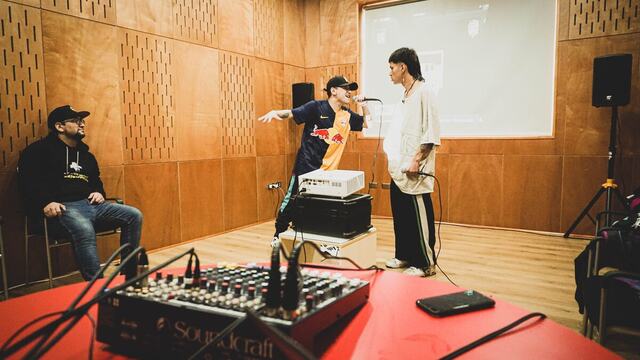
Boom. Bap. Say it out loud and you already have the whole genre. Two syllables, one for the kick and one for the snare, and they describe the beat so plainly that the name stuck. The boom is the kick, deep and round, landing on the one. The bap is the snare, cracking hard on the two and the four, sharp enough to snap your head sideways. That call and response, kick and snare trading blows over a dusty loop, is the entire foundation of golden-era hip hop, and it is one of the most satisfying things you can build with a tool like Suno. An AI boom bap beat is not about complexity. It is about the pocket, the swing, and the grit, and when you get those three right, the rest falls into place.
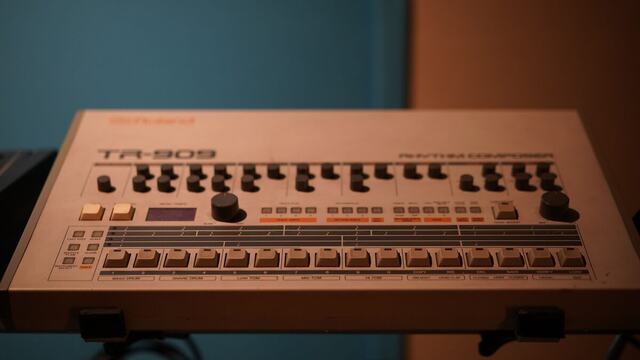
This is a beat that comes from a specific time and place. Early to mid 90s New York, producers hunched over samplers, digging through crates of old records for the perfect four-bar loop. That world had limits, and the limits became the sound. Understanding where boom bap came from tells you exactly what to ask a model for, so let us walk through the craft the way those producers did, one piece at a time.
The boom and the bap
Everything starts with the drums, and in boom bap the drums have a particular character. The kick is not the long, booming sub of modern trap. It is shorter, punchier, and rounder, a thump that hits and gets out of the way. The snare is the star, thick and cracking, often layered to sound fat, sitting right on top of the beat with real force. Together they lock into a pattern that is usually simple, kick on the one, snare on the two and four, with small variations that keep it human.
The magic is in how those drums feel rather than how complicated they are. A boom bap pattern you could write on a napkin can still hit like a truck if the sounds have the right weight and the timing has the right push. So when you prompt Suno, do not overcomplicate the request. Ask for a boom bap beat with a punchy kick and a hard cracking snare. Ask for drums that hit hard and sit in the pocket. The genre rewards restraint, and a model given room to keep it simple often keeps it right.
Sound character matters as much as the pattern. Those classic drums were often sampled off old records or run through gear that added warmth and grit. They are not clean. They have a slight crunch, a compressed punch, a bit of dirt on them. Ask for drums that sound vintage, dusty, or sampled, and you push away from the pristine modern default toward something with history baked in.
Dusty samples and the loop
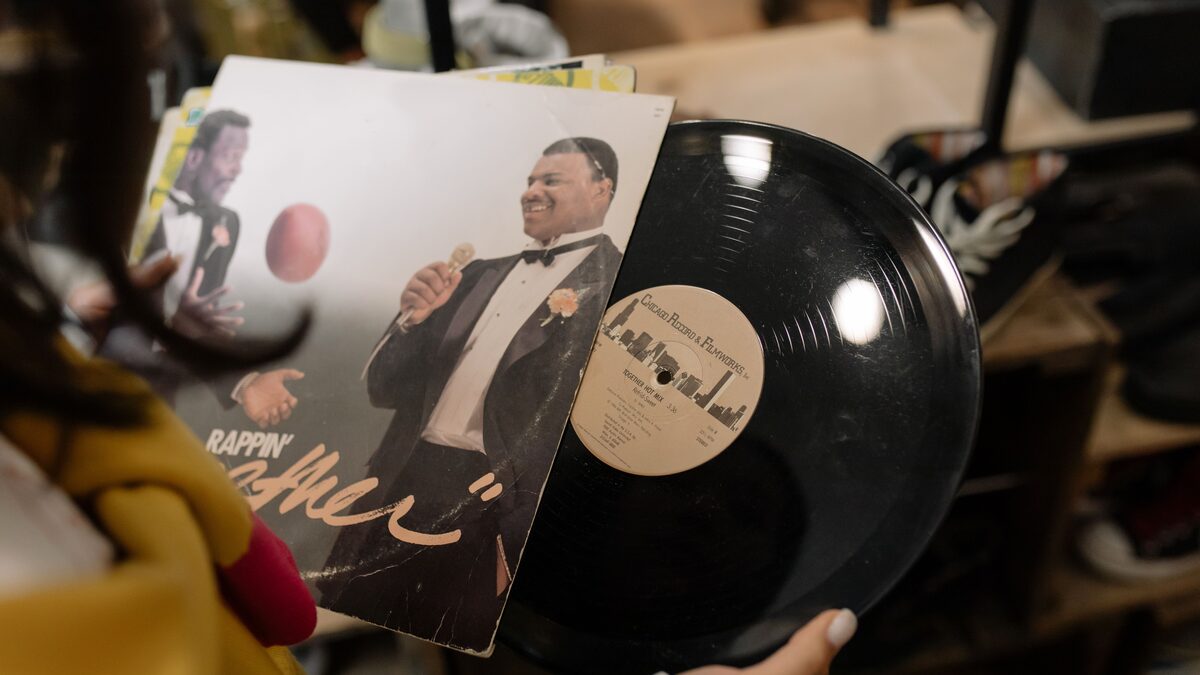
If the drums are the body, the sample is the soul. Boom bap was born from sampling, from producers finding a loop in an old soul, jazz, or funk record and building a whole track around it. A warm Rhodes chord, a mournful horn line, a scratchy string section, a snippet of a forgotten vocal, chopped and looped and set against those hard drums. That contrast between the smooth, aged sample and the punchy drums is the signature of the whole style.
The word that matters most here is dusty. These samples sound old on purpose. They carry vinyl crackle, tape warmth, a slightly filtered and muffled quality, as if you are hearing them through decades of wear. That aged texture is not a flaw to be cleaned up. It is the entire point, the sound of music with a memory. When you prompt Suno, lean into it. Ask for a dusty jazz sample, a soulful vinyl loop, a warm chopped Rhodes, or a mournful horn sample with crackle. These terms send the model toward that vintage character.
The best boom bap samples also tend to carry a mood, usually a little melancholy or reflective. A jazzy chord that feels slightly sad, a soul loop that aches a little, gives the beat emotional weight under all that head-nodding drive. So think about feeling as well as instrument. A beat that is hard and a little wistful at the same time is boom bap at its finest, and naming that mood in your prompt helps the model find it.
There is a craft to how the loop repeats, too. Classic producers rarely just ran a four-bar section over and over untouched. They chopped it, rearranged the pieces, dropped a note out here and added a stab there, so the loop felt alive rather than mechanical. Even small variations keep the ear interested across three minutes of the same core idea. When you prompt Suno, you can ask for a chopped and rearranged sample rather than a straight loop, or a loop that shifts slightly across the beat. That looseness in the sample mirrors the looseness in the drums, and the two together are what give a real boom bap track its handmade, dug-from-the-crates quality instead of the feeling of a clean, modern instrumental running on autopilot.
When you land on a loop that sits right against the drums, downloading that version quickly is smart. Sample-driven beats can be hard to reproduce exactly, and if you generate a version where the loop and the drums lock together perfectly, you want that file saved before you keep experimenting. Nothing is more frustrating than hearing the perfect beat once and never quite getting it back.
The swing and the head-nod
Here is the secret ingredient, the thing that separates a real boom bap beat from a stiff imitation. Swing. The drums in classic hip hop are not perfectly on the grid. They push and pull, slightly ahead here, slightly behind there, giving the beat a loose, human bounce. This was often an accident of the gear producers used, machines that added a certain groove, and it became essential to the feel. That swing is what makes your head nod without you deciding to.
A beat with no swing feels rigid and mechanical, correct but lifeless. A beat with the right swing feels like it is breathing. When you prompt Suno, ask for exactly this. Use words like heavy swing, laid-back groove, drums slightly behind the beat, loose and human, and head-nodding bounce. You are asking the model to loosen up, to let the drums drift off the grid a little, and that looseness is where the whole feel lives.
The tempo helps too. Boom bap usually sits between 85 and 95 beats per minute, slow enough to feel heavy and deliberate, with each hit landing with weight. That unhurried pace is part of the head-nod. Name a tempo in that range and the beat settles into the right pocket. Too fast and it loses the swagger, too slow and it drags, so that 85 to 95 window is worth respecting.
Swing is easy to hear once you know to listen for it. Put on a stiff, quantized beat and then a classic 90s record back to back, and the difference jumps out. The old record almost stumbles, in the best way, the snare arriving a hair late so it drags against the kick and creates a tension that pulls your body forward. That drag is the groove. It is a feel more than a rule, and it cannot be written on a grid, which is exactly why it sounds human. If a beat you generate feels correct but cold, swing is almost always the missing ingredient, so make it the first thing you ask for more of.
Space for the rapper
A boom bap beat is not a finished song on its own. It is a stage, and the main act is the voice. The whole genre is built around the rapper, which means the beat has to leave room for lyrics. This is a crucial difference from a lot of instrumental music. A busy, cluttered beat fights the vocal. A great boom bap beat gets out of the way, keeping the arrangement simple so the words can sit on top with plenty of air around them.
That is why restraint keeps coming up. The drums and the sample loop do most of the work, and there is space left deliberately empty for the rapper to fill. When you prompt Suno, you can ask for a beat with space for vocals, a simple arrangement that leaves room for a rapper, or a minimal loop that supports lyrics. If you plan to add your own words, this openness is exactly what you want, and if you are pairing the beat with generated vocals, our guide to using an AI rap generator shows how to make a rap song from your words.
Frequency space matters just as much as arrangement space. A human voice lives in the middle of the frequency range, and a smart boom bap beat keeps that middle relatively open so the words come through clearly. A sample that is too busy or too bright in the same range as a vocal will crowd it out, no matter how much empty time you leave between hits. This is part of why so many classic beats feel warm and slightly dark, with the brightness rolled off. That darker tone is not only an aesthetic choice, it is practical, clearing room for the rapper to sit on top. Asking Suno for a warm, slightly filtered loop does double duty, giving you both the vintage character and the open pocket a voice needs.
Even the dynamics serve the voice. Boom bap beats often drop elements out during a verse to give the rapper room, then bring the sample back for the hook. That ebb and flow keeps the energy moving while always putting the vocal first. If you want that, describe it, asking for a beat that strips back for the verse and fills out for the chorus. Building the beat around an imagined voice keeps it honest to the genre.
Boom bap versus modern trap
It helps to know boom bap by what it is not, because modern trap is its most obvious point of contrast, and the two are almost opposites. Trap is built on fast, rattling hi-hats, long booming 808 bass slides, and crisp, digital production. Its drums are programmed tight to the grid, its low end is deep and sustained, and its whole feel is modern and precise. Boom bap is the reverse. Slower, dustier, swung off the grid, with short punchy kicks instead of long 808s and sampled loops instead of synth melodies.
| Element | Boom bap | Modern trap |
|---|---|---|
| Tempo | 85 to 95 bpm, slow and heavy | 130 to 150 bpm feel, often half-time |
| Kick | short, punchy, round thump | long, booming 808 with slides |
| Snare | thick cracking sampled snare | crisp clap or rimshot |
| Hi-hats | simple, laid-back, swung | fast rolls and rattling triplets |
| Melody | dusty sampled vinyl loop | dark synth or bell melody |
| Feel | loose, human, off the grid | tight, precise, on the grid |
Neither is better, they are just different tools for different moods. But knowing the contrast keeps your prompts clean. If you ask for boom bap and slip in words like 808 slides or fast hi-hat rolls, you pull the model toward trap and muddy the result. Keep your boom bap prompts in the vintage lane, and if you want the modern sound instead, our walkthrough of the AI trap beat covers a producer's build from the ground up.
Getting that vintage sound from prompts
Bringing it together, a strong boom bap prompt names the tempo, the drum character, the sample type, the swing, and the vintage grit. You are trying to describe a beat that sounds like it was made in 1994 on a sampler, so the more you point at age and warmth and looseness, the closer you get. The table below gives you starting points to adapt.
| What you want | Style prompt to try |
|---|---|
| Classic 90s boom bap | boom bap beat, 90 bpm, punchy kick, hard cracking snare, dusty jazz sample, heavy swing, vinyl crackle |
| Soulful and reflective | boom bap, 88 bpm, warm chopped soul loop, laid-back drums slightly behind the beat, melancholy mood, room for vocals |
| Hard and gritty | boom bap, 92 bpm, thick sampled drums, mournful horn loop with crackle, aggressive head-nodding swing |
| Jazzy and smooth | jazz boom bap, 87 bpm, dusty Rhodes chords, brushed drums with swing, warm vintage sound, minimal and open |
| Boom bap for a rapper | boom bap instrumental, 90 bpm, simple looped sample, hard drums, space for lyrics, verse and hook dynamics |
Use these as your crates to dig through. Generate a beat, then listen for the two things that matter most, the swing and the grit. If it feels stiff, ask for more swing and drums further behind the beat. If it feels too clean, pile on the dusty, vinyl, and vintage language until the dirt comes back. Boom bap forgives simplicity but punishes anything too polished, so most of your edits will be about adding character rather than adding parts.
One more thing that separates a good beat from a forgettable one is a small hook in the loop, a two or three note phrase that lodges in the memory and comes back every few bars. It does not need to be complicated. Some of the most loved beats ride a tiny fragment of a horn or a single repeating piano figure that you find yourself humming later. When you generate, listen for that little earworm inside the sample, and if a version has one, hold onto it. That memorable fragment is often what makes a beat worth returning to, the reason you queue it up again instead of scrolling past it, and it is exactly the kind of happy accident that a few extra generations can turn up.
And keep the voice in mind even when you are only making a beat. The whole reason this music exists is to carry words, so a beat that leaves room, swings hard, and sounds warm and worn is a beat that is ready for someone to rhyme over. Generate freely, save the versions where the loop and the drums truly lock, and download the ones that make your head move on their own. Those are the keepers, the ones that caught a little of that golden-era magic, and they are worth holding onto.
Beat locked in the pocket?
When the loop and the drums finally sit right together, save that take fast. Grab a clean file before you dig for the next one.
Open the free downloader