 Suno Downloader AI
Using an AI breakbeat generator to build broken grooves with Suno
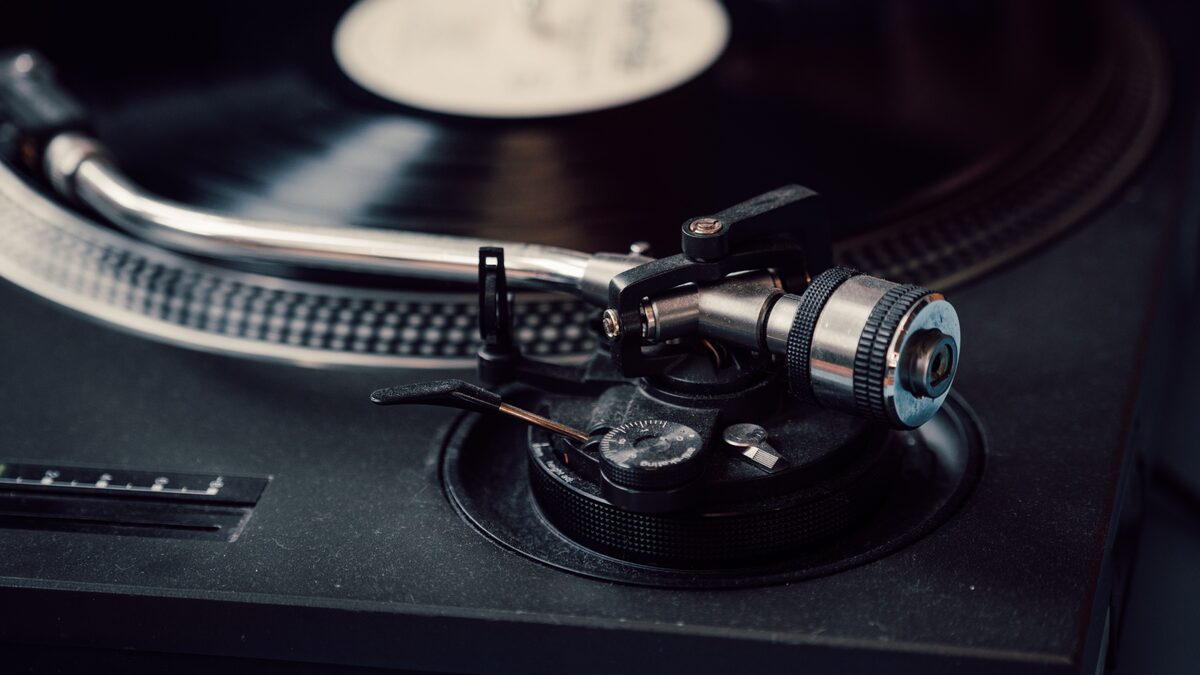
Chop a drum loop into pieces, shuffle the pieces, and slam them back together in a groove that swings and stutters and never quite marches in a straight line. That is breakbeat in one sentence, and that broken, rolling momentum is why the style has powered dancefloors for more than thirty years. Instead of the steady four-on-the-floor thump of house or techno, breakbeat runs on syncopation. The kick and snare land in unexpected places, the groove tumbles forward, and the whole thing feels alive and a little wild. Reaching for an AI breakbeat generator is a fast way into that world, and Suno can build these grooves once you know how to ask.
This guide takes the drums first and everything else second, because breakbeat is a rhythm-led style before it is anything else. We start with the famous break that started it all, move through how producers chop and rearrange those beats, add the bass that gives the groove its punch, tour the main subgenres, and finish with prompt language that keeps the groove properly broken instead of flattening it into a straight beat. Bring your energy, because this is high-momentum music from top to bottom.
The classic break
Breakbeat has a specific origin, and it is worth knowing because it explains everything about the sound. In the 1960s and 70s, funk and soul records often had a short section called the break, where the band dropped out and left just the drummer playing a few bars alone. DJs discovered that these drum breaks were pure dancefloor fuel, and they began looping them, extending a four-second burst of drumming into a whole groove. A handful of these breaks became legendary, sampled thousands of times across hip hop, jungle, and dance music.
What makes a classic break special is the human swing of it. A real drummer playing a funk break does not lock perfectly to a grid. There is push and pull, ghost notes, a snare that cracks a hair early or late, a hi-hat that breathes. That living feel is the raw material of the entire genre. When these breaks got looped and sped up and chopped, they carried that human energy into electronic music, which is why breakbeat has always felt funkier and looser than its four-on-the-floor cousins.
When you build breakbeat with a music model, this is the feeling to chase first. Ask for a funky, syncopated drum break, live-sounding drums with swing and ghost notes, a groove that rolls and tumbles rather than marching. Reference the raw, sampled quality of an old funk break. If you set that foundation, everything you stack on top will inherit the momentum. Get a version you like and download it so the groove is locked before you start layering.
It is worth understanding what makes a break groove rather than just play. The magic is in the placement of the snare and the ghost notes around it. In a funk break the main snare lands hard on the backbeat, but the drummer fills the space around it with soft, barely audible ghost notes, little taps that you feel more than hear. Those ghost notes are what give the groove its shuffle and its funk. A stiff, quantized beat has none of them, which is why it feels dead by comparison. When you prompt, asking explicitly for ghost notes and a loose, swinging feel pushes the model toward that living quality rather than a rigid grid.
The texture of the drums matters as much as the pattern. Because these grooves came from sampled records, they carry the sonic fingerprint of old vinyl and old tape: a bit of warmth, a bit of grit, a slightly crushed high end. That character is part of the appeal, and a break that sounds too clean and modern can lose some of its funk. You can ask for the drums to have a warm, sampled, slightly dusty quality, as if lifted from an old record, and the result will feel more rooted in the tradition the genre grew out of.
Chopping and rearranging the beat
A looped break is a starting point. The art of breakbeat is what producers do next: chopping. This means slicing the drum loop into small pieces, individual kicks, snares, and hats, and then rearranging them into new patterns. A producer might take a simple break and rebuild it so the snare hits twice as often, or so a kick lands on an unexpected sixteenth, or so a little stutter of hi-hats rolls across the end of every bar. The source is the same handful of drum sounds, but the arrangement becomes something new and far busier.
This chopping is where breakbeat gets its intricate, restless character. Well-chopped drums are full of surprise. They tumble and skip, throwing little fills and rolls at you, never repeating the same bar exactly. The groove stays broken and unpredictable, which keeps the energy high and the dancefloor guessing. Compared to a straight beat that you can predict two bars ahead, a good breakbeat is constantly turning corners.
To get this from a prompt, ask for chopped and rearranged drums, intricate and syncopated patterns, stutters, rolls, and fills. Words like busy, restless, tumbling, and glitchy push the model toward denser, more surprising drum programming. You can also ask for the drums to be the star of the track, mixed loud and up front, because in breakbeat the rhythm carries the song. The more you emphasize the complexity and movement of the drums, the more the result will sound like a real breakbeat production rather than a simple looped beat.
There is an art to how much chopping is enough. Too little and the groove feels like a plain loop; too much and it turns into a chaotic mess that loses the dancefloor. The sweet spot keeps a strong, recognizable pulse that a body can lock onto, while decorating it with enough variation to stay interesting. A common approach is to keep the main groove steady for most of a bar, then throw in a quick roll or a stutter right at the end to reset the momentum and pull you into the next bar. When you prompt, you can describe this feel as a steady, funky groove with fills and rolls at the turnarounds, which captures the balance between drive and surprise.
Variation over time is another piece of good breakbeat programming. Rather than repeating the exact same chopped pattern for four minutes, producers subtly change it as the track develops, adding a busier fill here, dropping a kick there, so the drums feel like they are constantly reacting. This evolving quality keeps the energy climbing across a track. Asking for drums that build and vary through the song, with the fills getting busier toward the drops, encourages the model to treat the rhythm as something living rather than a static loop.
Bass and the energy
Drums drive breakbeat, but bass gives it the punch that moves a room. Underneath those chopped beats sits a bassline that is usually deep, prominent, and full of attitude. Depending on the subgenre it might be a rolling, sub-heavy line that follows the kick, a growling synth bass with a snarl to it, or a fat, distorted riff that anchors the whole track. The bass and the broken drums lock together into a single powerful engine, and the interplay between them is where a lot of the funk lives.
Energy is the other essential ingredient, and breakbeat has it in spades. Tempos usually run from around 110 to 150 beats per minute, faster than hip hop but generally slower than drum and bass, sitting in a sweet spot that feels both driving and danceable. On top of the drums and bass you often find stabs of synth, vocal samples chopped into rhythmic hits, sirens, risers, and other bits of dancefloor drama that push the excitement higher. Everything is arranged to build tension and release it, to keep the crowd moving and reacting.
When you prompt for these layers, be direct about the bass character you want: a deep rolling sub bass, or a growling distorted synth bass, or a fat funky bassline, depending on the mood. Name the tempo so the energy sits right. And feel free to ask for the extra dancefloor elements, chopped vocal stabs, rising synths, punchy stabs, that give breakbeat its sense of drama. The goal is a track that feels like it is always driving forward, pulling you along with it.
The way the bass and drums interlock is worth a moment of thought. In the funkier corners of breakbeat, the bass locks tightly to the kick, so the two hit together and reinforce each other into one big punch. In the more electro-leaning corners, the bass plays a busier, more melodic line that weaves between the drum hits, filling the gaps and adding its own rhythm to the groove. Both approaches work, but they feel different, and knowing which you want helps you write a sharper prompt. Describe the bass as locked to the kick for a heavier, simpler drive, or as a weaving, syncopated line for a busier, funkier ride.
Big beat, nu skool, and old skool
Breakbeat is a wide family, and its subgenres have real personality differences that change how you should prompt. Big beat is the loud, brash, rock-influenced version that broke into the mainstream in the late 1990s, all fat distorted breaks, huge riffs, and party energy, the sound of Fatboy Slim and The Chemical Brothers. It is the most immediate and crowd-pleasing corner of the family. Nu skool breaks, by contrast, is sleeker and more futuristic, with tighter production, heavy syncopation, and growling electro-tinged bass, a more precise and clubby sound.
Old skool breakbeat and its rave-era cousin breakbeat hardcore take you back to the early 1990s, with sped-up breaks, stabby piano and synth hits, rave sirens, and a raw, energetic feel that later split off into jungle and drum and bass. Then there is progressive breaks, a smoother, more melodic and atmospheric take that pairs the broken groove with lush, evolving synth textures for a more hypnotic ride. Each corner keeps the chopped-drum foundation but dresses it differently. The table below sorts them so you can aim your prompt precisely.
| Subgenre | Feel and how to steer it |
|---|---|
| Big beat | Loud, rocking, distorted; ask for fat crunchy breaks, big riffs, party energy, late 90s feel |
| Nu skool breaks | Sleek, futuristic, clubby; ask for tight syncopation, growling electro bass, precise production |
| Old skool / hardcore | Raw rave energy; ask for sped-up breaks, stabby piano hits, sirens, early 90s hardcore |
| Progressive breaks | Smooth and melodic; ask for lush evolving synths, atmospheric, hypnotic broken groove |
Keep the groove broken
Build your breakbeat, then grab a copy of the take with the best momentum.
Open the free downloaderGetting that broken groove from prompts
Here is how to pull it all together into prompts that deliver. Because breakbeat is rhythm-first, your prompt should be too. Lead with the drums and be vivid about them: chopped, syncopated, funky breaks, live-sounding with swing and ghost notes, tumbling rolls and fills, drums up front and loud. That description alone does most of the work, because the broken groove is the single feature that defines the whole style. If the drums come out straight and predictable, nothing else will save the track, so spend your best words here.
The most common failure is the model straightening the beat into a four-on-the-floor pulse, which is its comfort zone. Push against that deliberately. Use the word syncopated more than once. Ask explicitly for an off-grid, broken groove, not a straight four-to-the-floor beat. Naming what you do not want is genuinely helpful here, because it steers the model away from the house and techno patterns it defaults to. Reinforce it with feel words like rolling, funky, restless, and choppy.
After the drums, layer in the rest in order of importance. Set the tempo, somewhere in that 110 to 150 range depending on the subgenre. Describe the bass character. Add the subgenre flavor from the table above, since a big beat prompt and a progressive breaks prompt pull the model in very different directions. Then finish with the dancefloor extras, the stabs and risers and vocal chops, that add drama. Generate several takes, keep the one with the funkiest, most surprising drums, and download it so you have a clean version to work from. The fragments below give you ready-made building blocks.
| What you want | Prompt language to try |
|---|---|
| The classic break | "funky syncopated drum break, live-sounding drums, swing and ghost notes, raw sampled funk feel" |
| Chopped drums | "chopped and rearranged breaks, busy restless fills and rolls, off-grid groove, drums loud up front" |
| Bass and energy | "deep rolling sub bass locked to the break, driving 130 bpm, high energy dancefloor momentum" |
| Big beat flavor | "fat crunchy distorted breaks, big rock riffs, party energy, late 90s big beat, loud and brash" |
| Dancefloor drama | "chopped vocal stabs, rising synths, punchy stabs and sirens, tension building into a drop" |
Breakbeat is one of the most fun styles to build with a music model because its whole identity lives in one place: the groove. You are not chasing a delicate melody or a subtle mood. You are chasing momentum, that feeling of drums tumbling forward and pulling you with them. Get the chopped, syncopated drums right, lock a punchy bassline underneath, add the tempo and the subgenre flavor, and season with dancefloor drama, and you have a track that moves. Keep saying syncopated, keep the beat off the grid, keep the energy high, and the broken groove will carry everything else. That forward tumble is the point, and once you hear it land, you will want to make ten more.