 Suno Downloader AI
How to make AI Celtic music with Suno
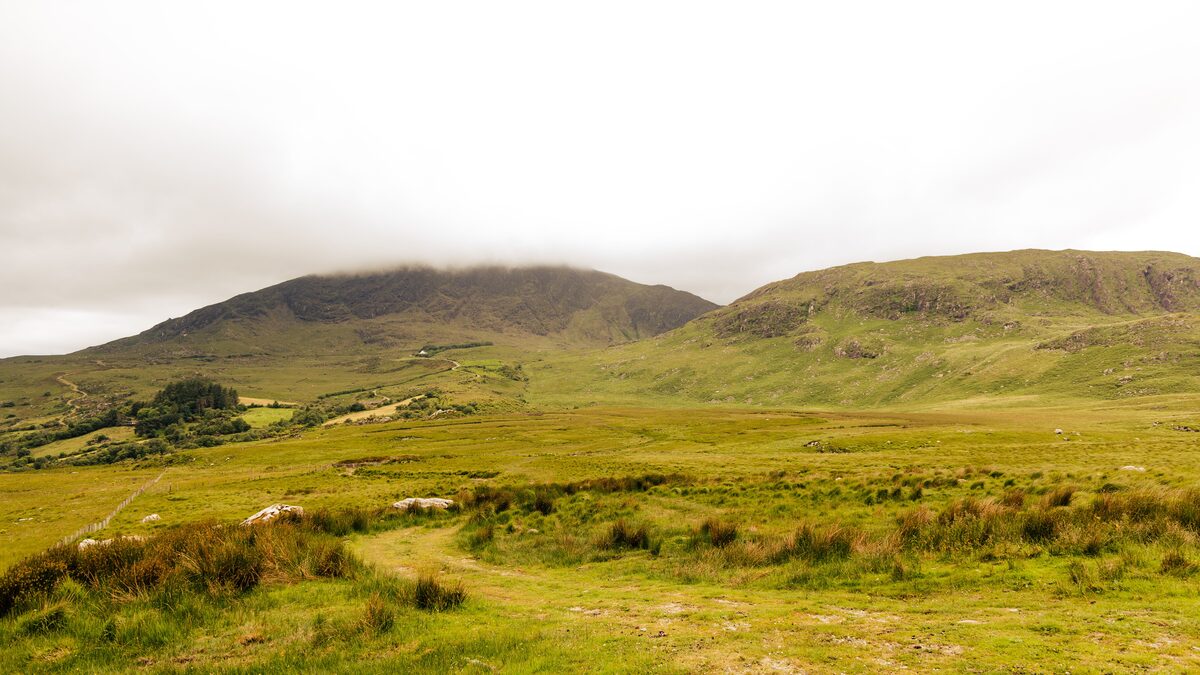
Picture a morning on the west coast of Ireland. The hills are soft and green, half hidden by mist that has not yet burned off, and somewhere across a field a tin whistle carries on the wind. That single thin line of melody, bright and a little lonesome, tells you exactly where you are before you see a single face. Celtic music has always worked like that. It is tied to a place, to weather, to stone walls and turf smoke and the long memory of people who sang while they worked.
When you set out to make AI Celtic music with Suno, that sense of place is the thing you are really chasing. It is not enough to string together a few Irish sounding instruments. The tradition carries centuries of feeling, and the best results come when your prompts point the model toward that feeling rather than a shopping list of parts. This guide walks through the instruments, the rhythms, the emotion, and the modern hybrids, and it shows how to write prompts that come back sounding like they belong on those misty hills.
The instruments that define it
Every tradition has a handful of voices that announce it instantly, and Celtic music has four. The tin whistle comes first, that simple metal pipe with six holes that a child can pick up and a master can make weep. Its tone is airy and reedy, and it sits high in the mix, tracing quick ornamented lines above everything else. When people hum a jig they heard once, it is usually the whistle line they are humming.
The fiddle is the second voice, and in many ways it is the heart of the whole thing. A Celtic fiddle is a violin played with a looser wrist and a fondness for slides, rolls, and short sharp bow strokes that give the tune its lift. The same instrument that plays a concert hall sonata turns rough and joyful in a session, sawing through reels while the room stamps along. The tone is warm rather than polished, and that slight grit is part of the charm.
Then comes the harp, the oldest of them all and the one stamped on Irish coins. Where the whistle and fiddle drive the dance, the harp pours out cascades of plucked notes, ringing and gentle, and it lends any track an immediate sense of age and grace. A harp behind a slow melody can turn a plain tune into something that feels like it was carried down through many generations.
Last is the bodhran, the wide shallow frame drum played with a small double ended beater called a tipper. It gives Celtic music its pulse, a warm woody heartbeat that can gallop through a reel or sit back and breathe under a slower piece. Around these four you will often hear the uilleann pipes, the accordion, the flute, and the bouzouki, but the whistle, fiddle, harp, and bodhran are the core. Name them in your prompts and you are already halfway home.
It is worth spending a moment on the pipes, because they carry a sound that nothing else can match. The uilleann pipes are the Irish cousin of the bagpipes, but softer and sweeter, powered by a bellows tucked under the arm rather than the breath. They produce a steady drone underneath the melody, and that continuous low hum is one of the most recognizable textures in the whole tradition. A drone gives Celtic music its ancient, grounded quality, a floor of sound over which the melody dances. Even when you do not use pipes, asking for a gentle drone underneath can lend a track that same sense of depth and age.
The flute deserves a mention too. The wooden Irish flute has a breathier, rounder tone than its silver orchestral relative, and it blends beautifully with the whistle and fiddle. Where the whistle is bright and piercing, the flute is warm and woody, and a lot of players move between the two. If you want a slightly darker, mellower lead than the whistle gives, the flute is the sound to name. Small choices like this are what separate a track that sounds generically folky from one that sounds specifically, convincingly Celtic.
Jigs, reels, and the dance rhythms
Celtic music grew up in kitchens and crossroads where people danced, so rhythm is not decoration here. It is the engine. If you want your AI Celtic music to move the way the real thing does, you need to understand the two rhythms that carry most of the repertoire.
The jig runs in a rolling six count, and you can feel it if you say "rashers and sausages" over and over at a walking pace. That gentle skip, two groups of three, gives jigs their bouncing lilt. They feel round and springy, and a good jig makes you want to hop from foot to foot. When you ask Suno for a jig, ask for that bouncing six eight lilt by name so the model reaches for the right groove.
The reel is faster and flatter, a driving four count that pours forward like water down a hill. Reels are what fill a session in the small hours, tunes stacked one after another while the fiddle and whistle trade the melody and the bodhran gallops underneath. Where a jig skips, a reel runs. There are cousins too, the slip jig in a swaying nine count, the hornpipe with its dotted swagger, and the polka that bounces along in a brisk two. You do not need all of them at once, but knowing they exist lets you steer away from a single generic tempo and toward something with real dance feel.
A practical trick is to tell Suno the setting as well as the rhythm. A phrase like "lively pub session, tunes played fast and loose" nudges the model toward that stacked, energetic, slightly ragged sound that a real session has, rather than a stiff and even studio take. The looseness is the life.
The slow air and the emotion
For all the dancing, the deepest part of the tradition is the slow air, and it is worth slowing down to talk about it. A slow air is a melody played without strict tempo, often drawn from an old song, where the player bends and stretches each note to wring every drop of feeling out of it. There is no bodhran driving it forward. There is only the melody and the ache underneath.
This is where Celtic music shows its soul. The same culture that fills a room with fast reels also produces tunes of almost unbearable tenderness, songs about emigration, loss, love, and the hard beauty of the land. The word the Irish use is a hard one to translate, a kind of longing for something distant or gone, and it lives in these slow melodies. A fiddle playing a slow air, or a whistle alone over a single droning note, can say more than a page of words.
When you prompt for this mood, drop the tempo words and reach for feeling instead. Ask for "a mournful slow air on solo fiddle, unhurried, full of longing," and give the model room to breathe by keeping the arrangement sparse. Emotion in this style comes from space and restraint, not from stacking parts. One instrument playing honestly beats four instruments playing busily. If you find a version you love and want to keep it, you can download the track once it is generated and hold on to that particular take before you start tinkering with new ones.
Celtic fusion and modern takes
Celtic music never sat still. It sailed to America and became a parent of bluegrass and old time. It plugged in and grew loud in the hands of Celtic rock bands who put electric guitars behind the fiddle and pipes. It went cinematic in film scores where a lone whistle stands in for wild coastlines and ancient battles. And it went dreamy and wide in the hands of artists who wrapped Gaelic vocals in soft synth pads and reverb until the old melodies floated in open air.
These hybrids are a gift when you are working with AI, because they give you room to combine worlds that would be hard to record yourself. You can ask for a driving Celtic rock anthem with distorted guitars trading licks with a fiddle. You can ask for an ambient Celtic soundscape where a distant whistle drifts over slow synth washes and the sound of waves. You can ask for a Celtic influenced folk pop song with a modern beat under a traditional melody. Each of these keeps one foot in the tradition and one foot in the present.
The trick with fusion is balance. Tell the model which element leads and which supports. "Traditional fiddle melody over a modern cinematic string arrangement" gives a very different result from "modern orchestral score with a hint of Celtic whistle." Decide what the listener should notice first, then write the prompt so that instrument sits in front.
There is another branch of fusion worth trying, and that is the meeting of Celtic music with electronic dance styles. Producers have spent years dropping fiddle and whistle samples over house and drum patterns, and the result can be surprisingly moving, the old melodies given a pulse that carries them onto a dance floor. If you want to try this, ask for something like "uplifting Celtic dance track, fiddle melody over a four on the floor beat, driving and euphoric." The contrast between the ancient tune and the modern rhythm is the whole appeal, and Suno handles this kind of blend well when you spell out both halves clearly.
You can also travel back across the Atlantic. Celtic music seeded the Appalachian traditions of America, so a track that leans toward old time or bluegrass while keeping a Celtic lilt sits in a rich middle ground. A fiddle tune with a banjo behind it, or a whistle line over a gently strummed guitar, nods to that shared history. Prompting for "Celtic influenced Appalachian folk, fiddle and banjo, warm and rustic" opens a door to that whole family of sound, which is close enough to the source that it still feels like a cousin rather than a stranger.
Getting an authentic feel from prompts
All of this comes together in the prompt itself. The difference between a track that sounds like a costume and a track that sounds like the real thing usually lives in a few careful choices. Name the core instruments rather than saying "Celtic instruments." Name the rhythm, jig or reel or slow air, rather than a bare tempo. Name the mood, whether it is a joyful session or a lonesome air. And point at a setting, a misty morning, a crowded pub, a lonely coast, so the model has a scene to score.
Ornamentation matters too. Real Celtic playing is full of rolls, cuts, and slides, the little flourishes that decorate a plain note. Asking for "ornamented" or "with rolls and grace notes" pushes the melody toward that lived in feel. Keep arrangements honest as well. This is acoustic music at heart, so heavy production tends to work against it. A little room sound, a sense of instruments in a real space, does more good than polish.
Key and scale can help too, though you do not need to be a theorist to use them. A great deal of Celtic music sits in modes that sound slightly older and more open than a plain major key, which is part of why the melodies feel timeless rather than modern. You do not have to name a specific mode in your prompt, but words like ancient, modal, and old fashioned nudge the model toward that flavor. If a track comes back sounding too much like a pop song wearing a costume, adding one of those words often pulls it back toward the tradition.
Finally, think about arrangement across the length of the track. Traditional sessions often play a tune through several times, adding instruments or energy on each repeat, building from a single fiddle to the whole room by the end. You can ask Suno to build in this way, starting sparse and growing, which gives your track a shape and a journey rather than a flat wall of the same texture from start to finish. That sense of a tune gathering momentum is deeply satisfying, and it is one of the ways the tradition holds a listener over a long piece.
Here is a table of prompt ideas to get you started, each aimed at a different corner of the tradition.
| You want | Prompt to try |
|---|---|
| A lively session reel | Fast traditional Irish reel, fiddle and tin whistle trading the melody, driving bodhran, lively pub session feel, ornamented and slightly loose |
| A bouncing jig | Cheerful Irish jig in a bouncing six eight lilt, whistle lead, accordion and bodhran, bright and springy, kitchen dance energy |
| A mournful slow air | Slow air on solo fiddle, no drums, unhurried and full of longing, sparse harp behind, misty and lonesome |
| A harp centered piece | Gentle Celtic harp instrumental, ringing cascading notes, soft and ancient, a single slow melody, spacious and warm |
| A Celtic rock anthem | Celtic rock anthem, distorted electric guitars alongside fiddle and uilleann pipes, big drums, driving and triumphant |
| An ambient Celtic mood | Ambient Celtic soundscape, distant tin whistle over slow synth pads, faint waves, dreamy and wide, cinematic and calm |
Below is a quick reference to the main styles, so you can match the sound in your head to a name the model will understand.
| Style | Feel and lead sound |
|---|---|
| Reel | Fast, driving four count, fiddle and whistle, session energy |
| Jig | Bouncing six count lilt, springy and cheerful, whistle led |
| Slow air | Free tempo, deep longing, solo fiddle or whistle |
| Harp piece | Plucked cascades, ancient and gentle, gracefully slow |
| Celtic rock | Electric guitars meet pipes and fiddle, loud and anthemic |
| Ambient Celtic | Whistle over synth pads, dreamy, cinematic, spacious |
Once you have a prompt that captures the feeling, generate a few takes and listen for the one that carries the mood rather than the most notes. Celtic music rewards restraint and honesty, and the version that sounds a little rough and human is often the keeper. When you land on it, download the file so you have it safe, then keep experimenting from there.
Turn your Celtic idea into a file
Once Suno gives you a slow air or a roaring reel you love, save it in a couple of clicks and keep the take before you chase the next one.
Open the free downloaderThe mist, the whistle, the fiddle in the corner of a warm pub, the ache of a slow air played alone, all of it is within reach when you write prompts that point at the feeling instead of just the parts. Start with the four core instruments, pick a rhythm, name a mood, and place it somewhere on those green hills. The tradition is old and generous, and there is plenty of room in it for something new.