 Suno Downloader AI
How to make an AI city pop song with Suno
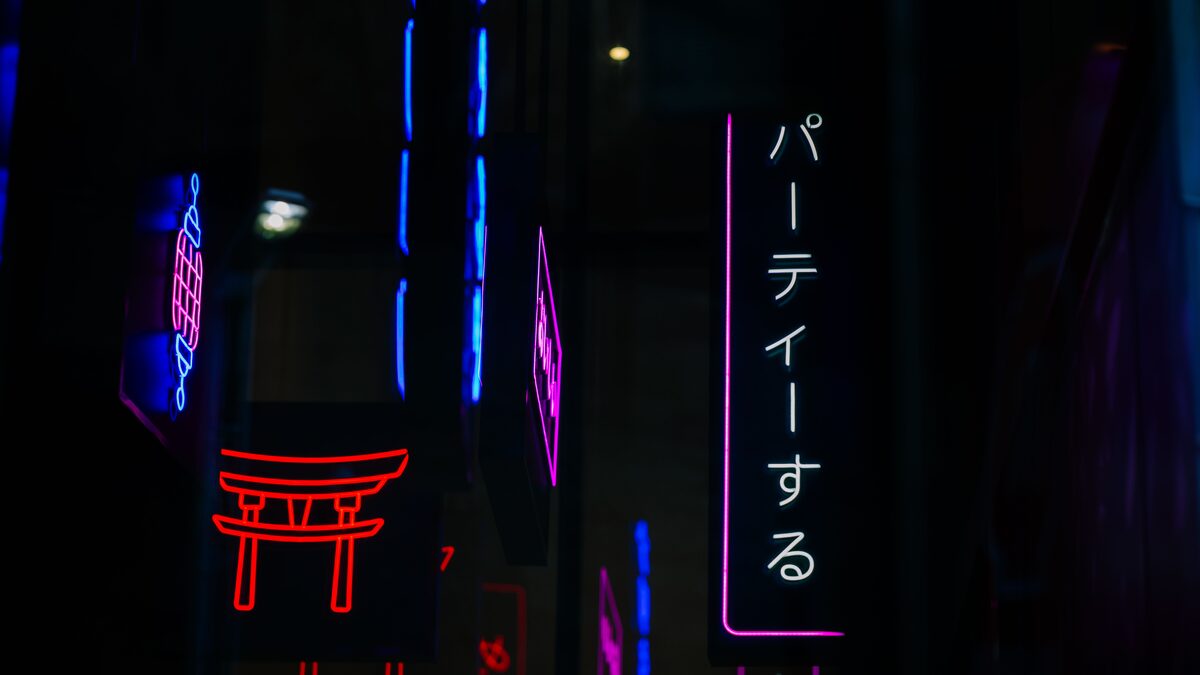
Picture a highway at night somewhere near Tokyo in 1984. The city glows pink and blue in the rearview mirror, the windows are down, and something warm and glossy is playing on the car stereo, a song built from funky bass, bright chords, and a voice that sounds like it is smiling. That feeling, half memory and half daydream, is city pop. It is the sound of Japanese urban life in the late 70s and 80s, and decades later it came roaring back through the internet, soundtracking a nostalgia for a time and place most listeners never actually lived through.
City pop is one of the most distinctive and satisfying styles you can recreate with an AI tool, because so much of its identity lives in production and mood, two things you can describe in words. When you know what makes the genre tick, you can hand those details to Suno and get back a track that shimmers with that specific 80s gloss. This guide walks through what city pop actually is, how its glossy production works, and how to write prompts that turn a modern AI into a convincing city pop generator. By the end you will be able to build an AI city pop song that sounds like it fell out of a cassette deck.
What city pop is
City pop is not really one genre so much as a vibe stitched together from several. At its core it blends smooth pop with funk, disco, soft rock, and jazz, all filtered through the polished studio craft of Japan in its economic boom years. The lyrics, usually in Japanese, tend to be about city living, romance, driving, summer, and a certain breezy sophistication. The mood is aspirational and warm, the sound of people who feel good about the future, and that optimism is baked into every bright chord.
Artists like Tatsuro Yamashita, Mariya Takeuchi, and Anri defined the sound, and songs like "Plastic Love" became unlikely global hits decades after their release when listeners rediscovered them online. What draws people in is that mix of the familiar and the exotic, groovy Western influences played with an unmistakably Japanese sense of polish and melody. It feels both retro and timeless, nostalgic for a golden age that exists mostly in the glow of the music itself.
For your purposes, the important thing is that city pop has a recognizable set of ingredients. It is upbeat but smooth, danceable but never harsh, and drenched in a specific late-70s and 80s production style. When you describe it to Suno, you are really describing that combination of groove, gloss, and warmth. Get those three right and the genre snaps into focus almost on its own, even before you touch the finer details.
The glossy 80s production
If there is one thing that defines city pop, it is the production. This is music made in expensive studios by top session players, and it sounds like it. Everything is clean, bright, and polished to a high shine. The drums are crisp with a lot of reverb, often with those big gated snare hits that scream 1985. Synths shimmer in the background, electric pianos twinkle, and the whole mix has a warm, expensive glow. Nothing sounds cheap or lo-fi. City pop is aspirational music, and the production wears that on its sleeve.
To get this from Suno, load your prompt with production language. Words like "glossy 80s production," "crisp gated drums," "bright and polished," "warm analog synths," "shimmering electric piano," and "clean studio sound" all steer the model toward that high-gloss finish. Avoid anything that suggests grit or roughness, because city pop is the opposite of raw. It wants to sound like money, like a perfect summer, like the cleanest version of the 80s you can imagine.
The instrumentation is a big part of that gloss. Beyond the drums and synths, city pop loves electric guitar with a clean, funky tone, brass stabs borrowed from disco and funk, and lush layered backing vocals. Mentioning "funky clean electric guitar," "bright brass stabs," and "layered backing harmonies" gives the model the palette it needs. The genre is generous with its arrangements, packing in lots of tasteful detail without ever sounding cluttered, so do not be shy about naming several of these elements at once.
A useful way to think about this production is that every part sounds expensive and considered. There are little fills and flourishes tucked into the arrangement, a quick guitar lick answering the vocal, a run of electric piano filling a gap, a saxophone solo arriving right when the song needs a lift. These details are what separate real city pop from a generic 80s pastiche, and they come from the session-musician culture that produced the genre. You can invite them by asking for "tasteful instrumental fills" or "a smooth saxophone solo," which encourages the model to treat the arrangement as a conversation between players rather than a flat backing track. That sense of musicians responding to each other is a big part of the charm.
Funky bass and smooth chords
Underneath all that gloss, the engine of city pop is the rhythm section, and especially the bass. City pop basslines are funky, melodic, and full of movement, often popping and sliding around in a way that owes a lot to American funk and disco. The bass is not just holding down the root note. It is dancing, driving the groove, and giving the whole song its irresistible forward motion. If the production is the shine, the bass is the muscle underneath.
Then there are the chords. City pop leans heavily on jazz and soul harmony, using rich seventh and ninth chords that sound smooth and sophisticated rather than plain. These lush chords are what give the genre its dreamy, slightly melancholy warmth, the feeling of sophistication with a hint of longing. On top sits a strong pop melody, catchy and singable, so the whole thing stays accessible even with all that harmonic richness underneath. The balance of groovy bass, jazzy chords, and pop melody is the beating heart of the style.
The way these chords move is part of the magic. City pop progressions often slide through unexpected changes, borrowing the smooth turnarounds of jazz standards and the lush voicings of soul ballads, so the harmony feels like it is always gently surprising you. Rather than sitting on two or three simple chords, a city pop song might glide through five or six, each one a little richer than a straight pop progression would use. You do not need to name specific chords in a prompt, but asking for "sophisticated jazzy chord changes" or "smooth soulful progressions" points the model toward that restless, elegant harmony instead of a plain three-chord loop. That movement is a big reason the genre sounds so grown-up and warm at once.
When you prompt for this, be specific about both layers. Try "funky popping bassline," "groovy melodic bass," "smooth jazzy seventh chords," "lush soulful harmony," and "catchy pop melody on top." Naming the bass and the chords separately tells the model that both matter, which helps it avoid producing something that is glossy but static. City pop should always feel like it is moving, like the groove is carrying you somewhere pleasant. Once you land a groove that has you nodding along, save the track so that bassline stays locked in.
The nostalgic, breezy feel
All of these technical pieces serve one goal, which is a feeling. City pop is breezy, warm, and drenched in nostalgia. It sounds like a good memory, like summer evenings and coastal drives and the particular optimism of a time that felt like it would last forever. Even the upbeat songs carry a faint sweetness underneath, a bittersweet edge that is part of why the genre resonates so deeply. It is happy music that knows the summer will end.
This mood is worth naming directly in your prompts, because it guides the emotional character of everything else. Words like "nostalgic," "breezy," "warm," "bittersweet," "summery," "carefree," and "dreamy" tell Suno what the track is supposed to feel like, not just what it should sound like. You can also paint pictures with imagery, referencing "night driving," "coastal summer," or "neon city lights," which nudges the model toward the emotional world city pop lives in even if those exact things do not appear in a lyric.
Tempo and energy support the mood too. City pop usually sits at a comfortable mid to upbeat tempo, quick enough to groove but never frantic, always relaxed and in control. That easy confidence is central to the feel. If you ask for a "relaxed but danceable groove" alongside your gloss and nostalgia words, you get that signature city pop poise, music that is having a wonderful time without ever breaking a sweat. The genre never rushes, and neither should your prompt.
There is a reason this nostalgia lands so hard, and it is worth understanding as you build. City pop became a global phenomenon not because listeners remembered the 80s, but because they did not. The music offers a warm, idealized version of a past that feels safe and beautiful precisely because it is out of reach, a kind of borrowed memory. When you write a city pop track, you are tapping into that same longing for an imagined golden age. Leaning into imagery of a perfect summer, a city that never sleeps, and a romance that glows in the rearview mirror gives your song that same wistful pull, the ache underneath the sunshine that keeps people coming back to the genre.
Getting a city pop sound from prompts
Now to combine everything into prompts you can actually use. A strong city pop prompt names the genre and era, describes the glossy production, calls for the funky bass and smooth chords, and sets that breezy, nostalgic mood. You are giving Suno a full picture of a specific time, place, and feeling. The table below gathers ready-made prompts you can copy and adjust, each aimed at a slightly different corner of the city pop world.
| Goal | Prompt to try |
|---|---|
| Classic 80s city pop | 80s city pop, glossy polished production, funky popping bassline, smooth jazzy chords, crisp gated drums, bright synths, catchy pop melody, nostalgic and breezy |
| Night driving groove | city pop, relaxed but danceable groove, warm analog synths, funky clean guitar, melodic bass, dreamy chords, night driving mood, bittersweet and summery |
| Funky and upbeat | upbeat city pop, disco-funk influence, bright brass stabs, popping bassline, shimmering electric piano, layered backing harmonies, carefree and glossy |
| Smooth and mellow | mellow city pop, soft rock influence, lush seventh chords, gentle groovy bass, warm electric piano, breezy female vocals, nostalgic coastal summer feel |
| Modern city pop revival | modern city pop, clean 80s-inspired production, funky bass and jazzy chords, bright synths, catchy melody, warm nostalgic mood with a fresh polish |
When you generate, listen for the three pillars: gloss, groove, and warmth. Does the mix sound clean and bright and expensive? Is the bass moving and funky rather than static? Does the whole thing feel warm and a little nostalgic? If the production comes out too modern or too harsh, add more period language like "vintage 80s" and "analog warmth." If it feels stiff, push harder on the bass and groove words. Small adjustments to the wording move the track closer to that cassette-deck glow.
Vocals are worth a thought too. City pop traditionally features smooth, expressive singing, and both bright female and warm male voices suit it. You can write your own lyrics about summer, city nights, or a fading romance, keeping them light and image-rich to match the breezy mood. If you want that authentic touch, you can even ask for a Japanese-language vocal, though English works just as well for capturing the feel. The voice should sound relaxed and happy, riding the groove rather than straining against it.
The backing vocals deserve their own mention, because they are a secret weapon of the style. City pop loves stacked harmonies on the chorus, a whole choir of the lead singer answering themselves, warm and layered and glowing. Those harmonies lift the hook and add to the polished, expensive feeling of the whole production. Asking for "lush stacked backing harmonies" on the chorus is a small addition that pays off in gloss, giving the peak of the song that big, radiant swell that makes a city pop chorus so satisfying to sing along to. Paired with a bright melody, it is often the moment a track goes from pleasant to unforgettable.
Bottle that summer in a file
When Suno hands you a city pop track that glows, keep it. Our free downloader saves a crisp high quality MP3 or WAV in a couple of clicks, no account required, so that funky bass and neon warmth are yours to play any time the mood strikes.
Open the free downloaderPart of what makes city pop such a joy to build with AI is how much of its magic is describable. This is a genre defined by a specific production sheen, a specific groove, and a specific feeling, and all three translate cleanly into prompt words. You are not trying to capture some ineffable spark. You are recreating a well-documented sound, which means the more precisely you name its ingredients, the closer you get. Each generation is another pass at that glossy 80s dream, and it costs nothing to keep refining until the neon feels right.
So roll the windows down, put yourself on that imaginary Tokyo highway, and start describing the sound in your head. Name the gloss, the funky bass, the jazzy chords, and the breezy nostalgia, and let Suno build the rest. Pick one of the prompts above, generate a few takes, and chase that warm, bittersweet, summer-forever feeling until you find it. When you do, save the track and let it carry you back to a time that never quite existed but somehow feels like home.