 Suno Downloader AI
AI dance music: build the perfect track for your routine
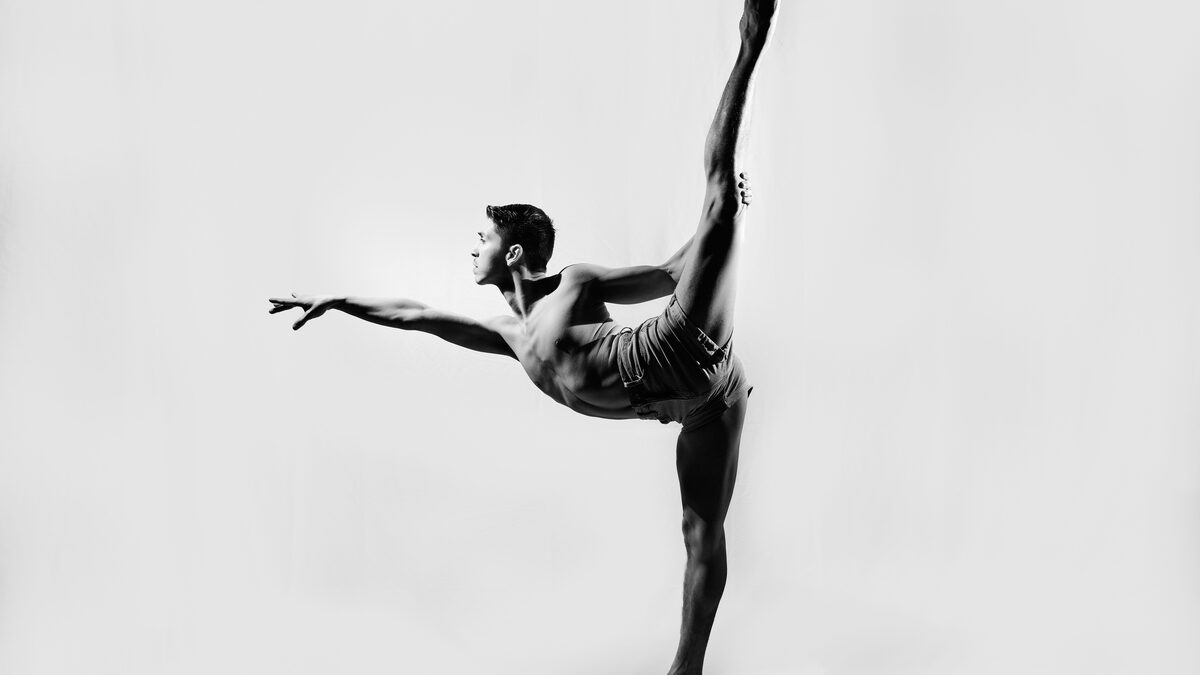
Picture the studio at the start of a new piece. The choreography is half in your head, the counts are forming, the shapes are starting to feel right, and then you go looking for the music and everything stalls. The track you love is the wrong tempo. The one at the right tempo has no build where you need the big moment. The perfect song is buried under a copyright claim that would get your showcase video muted the second you posted it. Every dancer and choreographer knows this wall. You can feel the routine, but you cannot find the track that lets it land. AI dance music takes that wall down, because instead of searching for a song that almost fits, you build the one that fits exactly.
This is a practical guide to making music for a routine, written for the way choreography actually gets built. It moves from tempo and counts, through the dynamics that make a piece hit, into the custom edits that let you shape the whole arc, and then through the styles for different dance forms. By the end you will know how to make a track that serves your movement instead of fighting it, and how to get it downloaded and ready for the floor.
Matching tempo and counts to your routine
Tempo is the foundation, and getting it right is the difference between a routine that feels natural and one where the dancers are always slightly rushing or dragging. Tempo is measured in beats per minute, and every dance form and every routine has a pocket where the movement sits comfortably. If you already have choreography, you know its speed in your body, so the job is to ask for music at that speed. When you set up the track, name the feel you want and, if you know it, the tempo range, because a track built at the right BPM from the start saves you from stretching or squeezing music that was never meant for your counts.
Counts are the other half of this. Dance lives in eights, and a good routine track should have a structure your counts can lock onto, clear phrases that arrive on the one and resolve where your movement resolves. When you generate, listen for whether the music breathes in eights the way your choreography does. A track whose sections line up with your phrasing lets you build combinations that land on musical events instead of cutting across them. If the first version wanders, generate again and ask for a clearer, more structured groove, because a strong, countable pulse is worth more to a dancer than any amount of pretty production that does not sit in the pocket.
If you are choreographing from scratch rather than fitting movement to an existing idea, there is real freedom in building the music first at exactly the tempo you want to move at. Try counting your combination out loud at a few different speeds before you commit, because a phrase that feels sharp and clean at one tempo can feel frantic or sleepy just a little faster or slower. Once you have found the speed where the movement sits right in your body, lock the music to it. Working this way means you are never fighting a track that is a few beats off from where your choreography wants to live, which is one of the most common sources of frustration when dancers use pre-made songs.
Energy and dynamics for choreography
Flat music makes flat choreography. What gives a routine its power is contrast, the quiet before the explosion, the pull back before the big trick, the moment everything drops out and one dancer moves alone. Your music has to give you that range, so think about the emotional shape of the piece before you generate, then ask the music to carry it. A routine that goes somewhere needs a track that goes somewhere with it.
Describe the dynamics you want in plain terms. Ask for a soft, sparse opening that grows, a section that pulls back, a peak that hits hard. If your choreography has a clear climax, a lift, a formation change, a moment the whole group hits at once, the music should peak right there so the visual and the sound explode together. That alignment is what makes an audience gasp, and it is much easier to build when you can shape the music to the movement rather than hoping a pre-made song happens to peak in the right place. Generate a few takes with different dynamic arcs, run your routine against each in your head, and keep the one whose highs and lows match where your piece wants to breathe and where it wants to hit.
Custom edits so the routine hits
This is where making your own music pulls ahead of anything you could find ready-made. A routine has parts, and each part wants something specific from the track. Think of the music in sections and build each one to do its job.
The intro sets the tone and often covers your entrance and opening pose, so it can be atmospheric and building rather than full energy from the first beat, giving you a moment to establish before the piece takes off. The build is the ramp, the rising tension that carries the audience toward the big moment, and it should feel like it is leaning forward. The drop is the payoff, the point where the beat lands with full force and your biggest movement hits, and it wants real impact so the room feels it. The ending is the landing, and it matters more than people expect, because a routine that just fades out feels unfinished. A clean, decisive ending, a final hit or a clear resolution, gives your last pose something to land on and tells the audience the piece is over so the applause knows when to start.
You can shape these sections by describing the arc you want when you generate, and by making the track long enough to hold all of them. If a single generation does not give you every part exactly right, it is common to build the piece in pieces and stitch the best sections together in an editor, trimming to your counts and lining up each transition with a movement. Once the whole arc is assembled the way your routine needs it, download the finished track so you are rehearsing to a fixed, final version rather than a track that might change under you.
Transitions are where a stitched track can betray you, so give them attention. A cut between two sections that lands on the wrong part of a count will trip a dancer every single time, no matter how good each section sounds alone. Line every transition up to the top of an eight, use a short crossfade so the join does not click or thump, and then run the routine against the assembled track a few times listening only for the seams. If a transition pulls your eye or your foot in rehearsal, fix it before you drill any further, because muscle memory built on a rough edit is hard to unlearn later. A clean, well-timed set of transitions is what makes a track built in pieces feel like it was always one song.
It is also worth building in a little breathing room at the very start and end of the file. A second or two of lead-in before the music truly begins gives whoever runs sound a cushion to hit play cleanly, and it gives the dancers a beat to settle into the opening pose. A short tail after the final hit means the track does not cut off abruptly the instant the routine ends, which can feel jarring in a room. These are tiny details, but they are the kind of thing that separates a track that merely works from one that feels ready for a stage.
Styles for different dance forms
Each dance form asks for a different sound, and being specific about the form gets you a track that feels native to the style rather than generic. Here is how to point the music in the right direction for the most common ones.
For hip hop, you want groove and attitude. Ask for a strong beat, heavy drums, a bit of bounce, and the confidence that lets isolations and hits pop. The pocket matters enormously in hip hop, so prioritize a track that makes you want to move on the beat over anything busy or cluttered. Space in the arrangement is your friend, because it leaves room for the sharpness of the movement to read.
For contemporary, dynamics and emotion lead. Ask for something more open and expressive, often with piano, strings, or an ambient bed, with real rise and fall so the music can carry feeling as much as rhythm. Contemporary pieces often live on the swells and the silences, so a track with a wide dynamic range and moments of stillness gives you the most to work with.
For ballroom, the form itself dictates the rhythm, since a waltz, a tango, a cha cha, and a rumba each have their own count and character. Name the specific dance when you generate so the track carries the right time signature and feel, and lean into the classic instrumentation and tempo that partners expect, because ballroom rewards music that respects the tradition of the step.
For cheer and competition, energy and precision rule, and these routines often use a track that is deliberately punchy, fast, and packed with clear hits for the whole squad to nail together. Ask for high energy, sharp accents, and a driving pace, and think about building in the distinct sections a competition routine needs, since these pieces are almost always edited tightly to the choreography. Whatever the form, tell the music what it is for, and it will meet you much closer to where you need it.
Copyright safety for showcases and posts
Here is a problem that hits dancers hard and that AI music quietly solves. You choreograph a beautiful piece to a popular song, you film the showcase, you post it, and the platform mutes your audio or blocks the video over the song's rights, and your months of work are suddenly unwatchable. Studios run into this constantly with recital footage and competition clips. When you build the track yourself, the audio comes from your own session rather than from a released record, so there is no existing rights holder for the automated systems to match against, and that is what keeps your posts playable.
For showcase videos, class recordings, and social posts of your own routines, using your own generated track means you can share the footage freely without the muted-audio surprise that comes with commercial songs. That alone is a strong reason to build custom music for anything you plan to film and post. If your dance work crosses into commercial territory, a paid performance, a piece for a client, a competition with its own music rules, the right to use the track that way depends on the plan you made it under and the terms attached, so it is worth confirming what your plan allows rather than assuming. The copyright calm of your own audio and the specific right to use it commercially are two different things, and checking once keeps you clear.
Downloading and rehearsing to the final track
Once your track is built and edited to your routine, download it and treat it as the official version of the piece. This matters more for dancers than for almost any other use, because you rehearse to the music for weeks and your body memorizes its exact timing, every hit, every breath, every count. Rehearsing to a track that later changes, or that lives in a browser tab you might lose, is a recipe for a rattled performance. A downloaded file is fixed, and fixed is exactly what you want the music to be while you drill the routine into muscle memory.
Keep the final file somewhere safe and bring it to the studio in a form you can play reliably, on a device that does not depend on a strong signal, so a rehearsal never stalls because the track will not load. Name it clearly with the piece and the version, especially if you made edits, so you are never unsure which cut is the real one on performance day. Having the exact track in hand also lets you hand it off cleanly to whoever runs sound at a show, so the version they play is the version you rehearsed, down to the last beat.
It is worth keeping a backup copy too, on a second device or a spare drive you can bring to a competition or showcase. Sound systems fail, phones die, and files go missing at the worst possible moment, and a dancer who has the track in two places is never left scrambling before they go on. A little redundancy costs nothing and it removes one of the few things that can genuinely derail a performance you have prepared for months.
The freedom in all of this is that the music stops being a constraint you work around and becomes a tool you shape. You are no longer choreographing to whatever song happens to be close enough. You are building the track the routine needs, tempo, dynamics, edits, and all, and then owning a clean file of it that plays anywhere without a copyright flag. Make the music serve the movement, download the final version, and walk into the studio knowing the one thing that used to stall every new piece is already handled.
Build your routine's track and download it
Set the tempo, shape the build and the drop, edit it to your counts, and save the final file to rehearse and perform from.
Open the free downloader