 Suno Downloader AI
How to make a darkwave song with AI
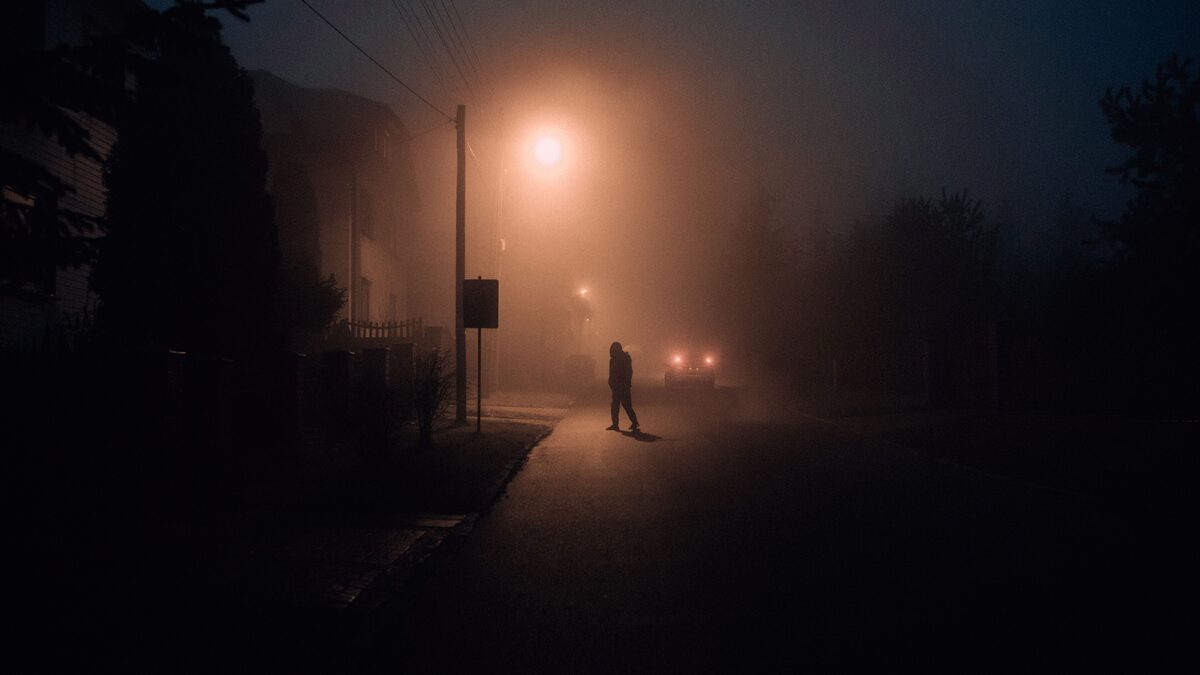
Some music wants to be the center of attention. Darkwave wants to be the fog at the edge of the room. It is cold, patient, and heavy with feeling, built from icy synths and a stiff drum-machine pulse, with a voice half-lost in reverb somewhere in the distance. If you have ever wanted to make music that sounds like a rainy night in a city that never quite feels safe, this is the genre for it. What follows is a set of plain questions about darkwave, each answered in a way that also tells you how to get it out of Suno.
What is darkwave, really?
Darkwave is the shadowy cousin of the synth-driven pop that came out of the early 1980s. Where synthpop chased the bright, catchy, hopeful side of electronic music, darkwave took the same tools and pointed them into the dark. It kept the synthesizers and the drum machines but drained the color out of them, trading the neon glow for something closer to moonlight and shadow. The result is music that is atmospheric, melancholy, and often beautiful in a bleak way.
The genre sits at a crossroads between several styles: the gloom of gothic rock, the angular chill of post-punk, and the machine textures of early electronic pop. It is not aggressive the way industrial music is, and it is not danceable the way its brighter relatives are. It moves at a slower, more deliberate pace, giving every sound room to echo and decay. Understanding that darkwave is fundamentally about mood, not energy, is the single most useful thing to hold onto when you make one.
It is also a genre that rewards restraint, which is unusual and worth sitting with for a moment. Most styles reward you for adding more: more energy, more layers, more hooks. Darkwave rewards you for taking away. A track with three well-chosen sounds and a lot of empty space around them will almost always feel more haunting than one crammed with detail. The silence and the shadow are instruments in their own right. When you make darkwave, you are as much a curator of emptiness as a composer of sound, and the sooner you accept that, the better your tracks will feel.
Why does it sound so gloomy?
The gloom is deliberate, and it comes from a stack of specific choices rather than one dramatic effect. The most important is the harmonic feel. Darkwave leans heavily on minor keys and unresolved chords, the kind that never quite settle into a comfortable place. That tension keeps the listener slightly on edge, the way a minor chord held too long starts to feel like dread.
The tempo helps too. Darkwave usually moves slowly, often somewhere between 90 and 120 beats per minute, which gives the music a heavy, dragging quality. Nothing rushes. Sounds are given long tails and plenty of space, so the whole track feels like it is unfolding in slow motion. When you prompt Suno, name the mood directly: "melancholy," "gloomy," "cold," "brooding," "bleak," and "haunting" all steer the model toward the right emotional territory. Pair those with "minor key" and "slow tempo" so the harmony and pace match the feeling. The gloom is not an accident you stumble into. It is something you ask for on purpose.
What synths give that cold feel?
The cold in darkwave lives in the synths, so this is worth getting right. The genre favors synthesizers that sound distant, glassy, and a little hollow, rather than warm and full. Think of thin, icy pads that hang in the background like frost on a window, and simple, mournful lead lines that pick out a melody without ever sounding cheerful. The tones tend to have a metallic or crystalline edge, and they are often drenched in reverb so they feel far away.
To reach for this in Suno, describe the temperature and character of the sound. Useful phrases include "cold analog synths," "icy synth pads," "glassy distant synths," "haunting synth melody," and "hollow metallic tones." Steer clear of words like "warm," "lush," and "bright," because those pull the model toward the friendlier, sunnier end of electronic music, which is exactly the opposite of what darkwave wants. You are after synths that sound like they were recorded in an empty, unheated room, and the words you choose should reflect that chill.
The way these synths move matters as much as their tone. In darkwave, synth lines tend to be slow and sparse, holding single notes or drifting through simple two or three note phrases rather than racing through busy melodies. A slow arpeggio, ticking quietly in the background like a clock in an empty hall, is a classic darkwave texture, but even that stays understated. The point is never to dazzle. The point is to establish a mood and hold it. If a render comes back with synths that feel too busy or too cheerful in their movement, ask for "slow sparse synth lines" and "minimal haunting arpeggio" to pull the energy back down where it belongs. Restraint in the synths is what keeps the cold from ever warming up.
What holds the rhythm together?
The pulse of darkwave comes from a drum machine, and its character is as important as the synths. These are not busy, funky, or organic drums. They are stiff, repetitive, and mechanical, a steady heartbeat that drives the track forward without ever drawing attention to itself. Often the pattern is simple to the point of being hypnotic: a firm kick, a dry or gated snare, and a ticking hi-hat, looping with machine regularity. The stiffness is the point. It gives the music a cold, inhuman quality that suits the mood.
Classic darkwave often uses the sound of vintage drum machines, which have a thin, slightly artificial texture that fits the genre perfectly. When you prompt for the rhythm, use "drum machine," "mechanical beat," "stiff repetitive drums," "vintage drum machine," and "cold electronic percussion." If you want that big, clipped snare sound common in the era, add "gated reverb snare." The goal is a beat that feels like a machine keeping time in the dark, not a drummer having fun. Keep it simple, keep it steady, and let it hold everything else in place.
Should the vocals be buried?
Often, yes, and this is one of the defining traits of the genre. Darkwave vocals are rarely front and center the way pop vocals are. Instead they tend to sit lower in the mix, wrapped in reverb and delay so they feel like they are drifting in from another room. The words matter less than the mood they create. A buried, echoing vocal becomes another atmospheric instrument rather than a clear message, which is exactly the effect you usually want.
The delivery itself is typically deep, cool, and detached, sometimes almost spoken, carrying a sense of longing or unease rather than joy. Both low male voices and ethereal female voices are common in the genre, and either can work beautifully. To get this from Suno, describe both the tone and the treatment. Try "deep detached vocal drenched in reverb," "distant echoing vocal," "haunting ethereal vocal," "brooding baritone," or "ghostly buried vocal." The reverb and distance are as important as the voice itself, so always mention them. A dry, upfront, cheerful vocal will break the spell instantly, so if a render comes back too clean and present, push the vocal further back with more reverb and more distance in the next prompt.
Where does darkwave come from?
It helps to know the roots, because they explain the sound and give you more accurate words to prompt with. Darkwave grew out of the same late-70s and early-80s moment that produced post-punk and gothic rock. Post-punk brought the angular, cold, stripped-back approach and a willingness to sound bleak. Gothic rock brought the dramatic gloom, the sense of romance and dread intertwined, and the fascination with darkness as a mood rather than a threat. Early electronic pop brought the synthesizers and drum machines. Darkwave is what happens when those three streams meet.
That lineage is useful in practice. If you mention "post-punk" in your prompt, you nudge the model toward angular guitars and a colder feel. If you mention "gothic," you pull in the dramatic, romantic gloom. If you lean on the synth and drum-machine side, you get the more purely electronic strain of the genre sometimes called coldwave. Knowing these reference points lets you fine-tune the balance between guitar-driven darkness and synth-driven darkness, which is one of the main choices you get to make when building a darkwave track.
The guitar question is worth pausing on, because it changes the whole feel. Some darkwave has no guitar at all, living entirely on synths and drum machine, which gives it that clean, frozen, electronic chill. Other darkwave keeps a guitar, but it is a specific kind of guitar: thin, chiming, drenched in reverb and chorus, playing slow arpeggiated figures or single ringing notes rather than chords. This is the post-punk inheritance, and it adds a human, melancholy warmth to the cold electronics without breaking the mood. If you want it, prompt with "chiming reverb guitar" or "chorus-drenched arpeggiated guitar." If you want the purely electronic strain, simply leave guitars out of the prompt entirely and lean harder on the synth language. Both are true to the genre, so the choice is yours, and it is one of the first decisions worth making before you write anything else.
How do you prompt Suno for it?
Pulling the threads together, a strong darkwave prompt names the genre, the mood, the key elements, and the treatment all at once. Rather than listing single words at random, build a short description that covers each layer. Something like a cold, gloomy darkwave track, slow tempo, minor key, icy distant synths, stiff vintage drum machine, and a deep detached vocal buried in reverb gives the model a clear and complete picture.
From there, refine one thing at a time. If the track feels too warm or too upbeat, add more cold and melancholy language. If the vocal is too present, push it back with more reverb and distance. If the mood is not dark enough, reinforce the minor key and add words like "brooding" and "haunting." Generate several versions of each prompt, because mood-driven genres vary a lot between renders, and one take will usually feel noticeably more atmospheric than the others. Trust your ear here more than the words on screen. The right darkwave track is the one that gives you a small chill, and you will know it when you hear it.
One common trap is asking for too much at once. Because darkwave depends on space and restraint, a prompt stuffed with a dozen instruments and effects tends to produce a cluttered, muddy result that loses the very coldness you were after. Resist that urge. Name the four or five things that matter most, the mood, the synths, the beat, the vocal treatment, and maybe the key, and leave the rest unsaid. Let the empty space do its work. If anything, err toward describing what you do not want as much as what you do, telling the model to keep it "minimal," "sparse," and "restrained." A darkwave track that sounds slightly too empty is almost always more effective than one that sounds too full, so when in doubt, take something away rather than adding it.
How do you download your track?
When a version finally captures that cold, drifting feeling, you will want it as a real file you can keep. Generate a few takes and choose the one with the deepest atmosphere and the most convincingly buried vocal, listening on headphones so you can hear the reverb tails and the quiet details that give the genre its depth. A lot of darkwave lives in the soft, echoing edges of the sound, and those are easy to miss on small speakers.
Once you have your favorite, take the Suno share link to a free downloader and save it. Choose MP3 for easy listening, playlists, and sharing, since it is small and works everywhere. Choose WAV when you want the full uncompressed quality, which is the better option if you plan to edit the track, add more reverb or atmosphere of your own, or keep it as a finished master. WAV preserves the long reverb tails and the subtle low-end weight that give darkwave its dimension, so it is worth choosing for anything you consider complete. The process needs no account and no software, so you can save a take, keep refining the mood, and download the better version soon after.
Ready to save your darkwave track?
Paste your Suno link, choose MP3 or WAV, download. Free, no sign up.
Open the free downloaderWhat can you do with it once it is made?
A finished darkwave track is one of the most atmospheric pieces of music you can have on hand, and it earns its place in a lot of settings. Because the genre is built on mood rather than energy, it works beautifully as a backdrop. A gloomy darkwave instrumental sits perfectly under moody video content, a short film, a dark photography slideshow, or a game with a haunted, melancholy setting. It fills a scene with dread and beauty without ever demanding the viewer's full attention, which is exactly what a good soundtrack should do.
If your track has vocals and a strong mood, it can stand on its own as a song. Darkwave has a devoted audience that values atmosphere over polish, so a genuinely haunting track can find listeners even if it is not technically perfect. Add it to a late-night playlist alongside the moody music you already love and see how it holds up in that company. If you are building a body of original work, darkwave pairs naturally with adjacent shadowy styles, so a small collection of tracks in these genres can feel like a coherent world rather than a set of unrelated experiments.
The genre also lends itself well to atmosphere-driven projects that go beyond a single song. Because darkwave is so evocative, a series of tracks can form the soundtrack to something larger: a mood-based playlist that tells a story from dusk to dawn, the score for a personal writing or art project, or the sonic identity of a channel or account built around a dark aesthetic. The consistency of the mood is what makes this work. When every track shares the same cold synths, slow pulse, and buried vocals, they start to feel like chapters of one long night rather than separate pieces. That coherence is easier to achieve in darkwave than in almost any other style, precisely because the genre is defined by a single, unwavering atmosphere. Lean into that, and a handful of tracks becomes a world someone can step into and stay in for a while.
Whatever you do with it, the lesson stays the same. Darkwave is not about complexity or speed. It is about committing to a single, consistent mood and letting every element serve it: the cold synths, the slow minor-key harmony, the stiff drum-machine pulse, and the voice lost in reverb. Ask Suno for that mood clearly, choose the take that gives you a chill, and save it in the format that fits how you will use it. Do that, and you have a darkwave song that sounds like fog rolling in under a streetlight, which is the whole reason to make one.