 Suno Downloader AI
How to make an AI Diwali song for the festival of lights
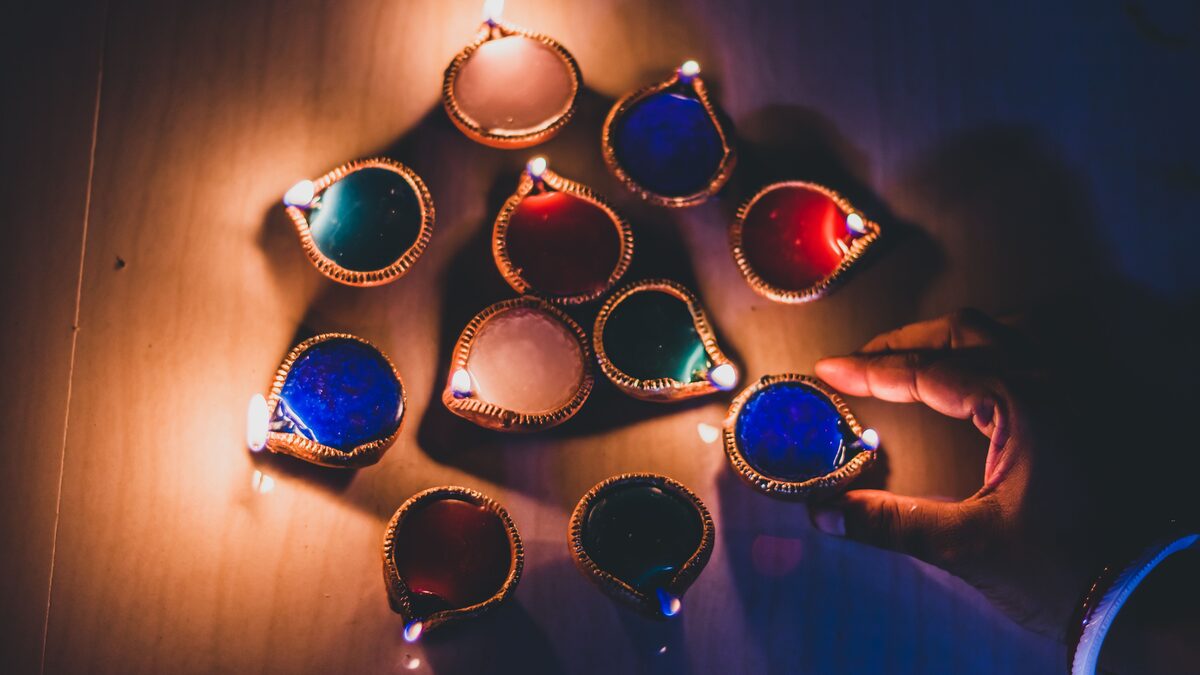
There is a moment on the first evening of Diwali when the whole house seems to breathe differently. The diyas are lit along the windowsills, the rangoli is finished and drying on the floor, and someone in the kitchen is frying the last batch of something sweet. Children run between rooms with sparklers, the doorbell keeps ringing as neighbours arrive, and outside the sky cracks open with colour. It is a season of light winning over darkness, of families gathering close, of blessings passed hand to hand. Music belongs in that picture as naturally as the lamps do.
This year you can add a small, personal touch to all of it: a song written for your own family and this particular Diwali. Not a generic festival track pulled off a playlist, but something that names the people around your table and carries the warmth of your own home. With an AI music tool like Suno, you can describe the feeling you want, and it will compose a full song with vocals and instruments. This guide walks through how to shape a Diwali song that feels honest and glad, respectful of the tradition, and truly yours.
Why a personal song fits the festival of lights
Diwali is many things at once. It is the return of Rama in the Ramayana, the worship of Lakshmi for prosperity, the triumph of good over evil, and for many families simply the most joyful week of the year. What ties all of it together is togetherness. The festival is built around people arriving, sitting close, sharing food, and offering blessings for the year ahead.
A song made for your family sits comfortably inside that spirit. When you gather everyone in the living room and play a track that mentions your grandmother by name, or wishes health and light on the little ones, it lands differently than any store-bought recording could. It says that someone paid attention. That is the heart of the festival, really: paying loving attention to the people you have.
You do not need to be a musician or a lyricist to do this. You only need to know your family and what you want to say to them. The tool handles the melody, the arrangement, and the voice. Your job is the feeling and the details, which is the part only you can supply.
Deciding what your song is about
Before you touch any settings, spend a few quiet minutes deciding what this song is for. A Diwali song can lean in several directions, and picking one keeps the result focused instead of scattered.
You might want a warm family song that celebrates being together, mentioning the gathering, the shared meal, and the joy of everyone under one roof. You might want a blessings song, gentler in tone, wishing prosperity, health, and light on the household for the coming year. You might want something bright and celebratory that captures the sparklers and fireworks and the sheer fun of the night. Or you might want a quieter, devotional-flavoured piece that honours the meaning behind the lamps.
Write one sentence describing your choice before you go further. Something like, "A joyful family song welcoming everyone home for Diwali and wishing them a bright year." That single line becomes your compass. Everything you add later should serve it.
Choosing a style that suits the mood
The style you pick shapes how the whole thing feels, so it is worth thinking about with care. Here are a few directions that suit Diwali beautifully.
Festive Indian folk and classical. If you want the song to feel rooted in tradition, ask for warm acoustic instruments: the tabla for rhythm, harmonium or sitar for melody, maybe a dholak driving a celebratory beat. You can describe it as a "joyful Indian folk celebration song with tabla, harmonium, and festive percussion." This suits family gatherings and feels timeless.
Bollywood-flavoured. For something bigger and more cinematic, lean toward a Bollywood sound. Think full arrangements, an uplifting chorus, strings and modern percussion together, the kind of song that makes people want to get up and dance. Try describing it as "an upbeat Bollywood celebration song, full arrangement, uplifting and danceable." This is perfect for a lively house full of relatives.
Gentle and devotional. If your Diwali is more reflective, or you want a piece to play during the puja or a quiet moment, ask for something softer. A calm tempo, gentle vocals, a bansuri flute or soft strings, a peaceful and reverent mood. Describe it as "a gentle devotional song for Diwali, calm and warm, soft flute and vocals." Keep this tone sincere rather than solemn.
You can also blend traditions. A song that mixes classical Indian instruments with a modern pop structure can feel both familiar and fresh, which suits families who span generations. If your household speaks Hindi, Tamil, Punjabi, Gujarati, or any other language, you can ask for the song in that language, or for a mix, so it sounds like the way your family actually talks.
Personalizing with family names and details
This is where a good Diwali song becomes a memorable one. The tool can only include what you tell it, so the more specific and warm you are, the better the result.
Start with names. If you want the song to greet your parents, your grandmother, your children, or the whole extended clan, write those names into the prompt or the lyrics. A line like "wishing light and joy to Amma, Papa, and little Anaya" turns an ordinary greeting into something that belongs only to your family. Be mindful of pronunciation; simpler spellings sometimes help the vocals land the names cleanly, and you can always try a couple of versions to hear which sounds best.
Add the details that make your Diwali yours. Maybe every year your family lights the first diya together on the balcony. Maybe your uncle always brings too many sweets. Maybe the cousins have a fireworks contest in the courtyard. Small, true details like these give the song a texture no generic track can match. You might feed the tool a few lines of your own: "The diyas are lit on the old stone steps, the whole family home again, another year of light beginning."
Think about the blessing you want to offer. Diwali is a season of good wishes, so naming what you hope for the people you love gives the song a purpose. Health, prosperity, safe travels for those who came from far, a bright year ahead. These wishes are the emotional centre of the piece.
Ready to make your family's Diwali song?
Describe the feeling, the names, and the style, and let the music come together. When your song is ready, you can save it to keep and share.
Open the free downloaderWriting lyrics that feel warm and true
You can let the tool write all the lyrics from your description, or you can write some yourself and let it handle the rest. Even a few of your own lines can steer the song toward something that sounds like your family rather than a template.
Keep the language simple and heartfelt. Diwali songs work best when they are glad and clear, not clever. A chorus that repeats a warm wish, a verse that paints the scene of the gathering, another that names the people at the heart of it. You do not need perfect rhyme or meter; the tool will fit your words to the melody, and sincerity carries further than polish.
If you want the song to honour the meaning of the festival, you can weave in the imagery of light over darkness, of new beginnings, of Lakshmi's blessings on the home. Handle these with the same respect you would bring to the puja itself. The goal is a song that a religious grandparent and a playful child could both enjoy sitting side by side.
Read your draft aloud before you commit to it. If a line makes you smile or catch your breath a little, keep it. If it sounds like a greeting card, warm it up with a real detail from your own home.
Where a Diwali song fits
Once your song exists, you will find more places to use it than you expected. Here are a few that families love.
The family gathering itself. Play it when everyone has arrived and settled, before or after the meal, as a small surprise. There is a particular joy in watching a relative realise the song is about them. It becomes a moment people talk about long after the lamps have burned down.
Diwali greetings. Instead of forwarding the same festival message everyone else sends, you can share your own song as a greeting to family who live far away. For relatives across the country or across the world who could not travel this year, hearing a song that names them is a way of pulling them close despite the distance.
A video or slideshow. If you gather photos from the celebration, or from Diwalis past, your song makes a lovely soundtrack. A short video of the diyas being lit, the rangoli forming, the children with sparklers, set to a song written for exactly that scene, is the kind of thing families keep for years.
A gift. For grandparents especially, a personal song can be a moving present. It costs little to make and carries a great deal of feeling. You can save the finished track and pass it along however suits them best.
Sharing your song with the people who matter
When the song is ready and you are happy with it, download it so you have your own copy to keep. Having the file saved means you can send it directly to family, add it to a video, play it offline during the gathering when the wifi is busy, or simply hold onto it as a keepsake from this year's festival.
Sharing is part of the joy. Send it to the family group chat and watch the messages pour in. Send it privately to the person it names most, so they hear it first. Some families make a new song each Diwali and build up a little collection, a musical diary of the festivals as the children grow and the family changes. That is a lovely tradition to begin.
If you are sharing widely, a quick note of context helps: tell people you made it for them, mention that it is an original song for this Diwali. That small framing turns it from a curiosity into a gift.
Putting the pieces together: a simple walkthrough
If you have never made a song this way before, the whole thing can sound more complicated than it is. In practice it moves quickly once you know the shape of it. Here is how the pieces fit together, so you can go from an idea in your head to a finished song without getting stuck.
Start by writing your one-sentence purpose, the compass line from earlier. Then choose your style and write a short description of the sound you want, using plain words like "warm," "joyful," "gentle," or "danceable" alongside the instruments you have in mind. Keep this description honest to the mood rather than crowded with too many ideas; a clear, simple direction gives the tool a better chance of getting it right.
Next, add your family details. Drop in the names, the true little moments, and the blessings you want to send. If you are writing some of your own lyrics, put them in now; if you are letting the tool write them, give it enough of the scene to work with. Then generate the song and listen all the way through. Notice what works and what does not. Maybe the tempo is a touch fast, or a name is not landing cleanly, or the chorus needs to be warmer.
Adjust and generate again. This back-and-forth is normal and even enjoyable, since each version teaches you something about what you actually want. Most people land on a song they love within a few tries. When you have it, save your copy so it is yours to keep and share. The whole process, from first idea to finished song, often takes less time than wrapping a gift, and the result carries far more of you in it.
A few gentle reminders
Keep it original and keep it yours. The most touching songs are the ones grounded in your real family and your real home, not in imitation of a famous track. Resist the urge to copy an existing Bollywood hit; a song that sounds like your own household will always mean more than one that sounds like someone else's.
Be respectful of the tradition. Diwali carries deep religious and cultural meaning for many people, and the imagery of light, of Lakshmi, of good over evil deserves to be handled with care. A song made with genuine affection honours that. If your family observes the festival in a particular regional way, let those details lead, since your version of Diwali is the true one for your song.
Take your time and try a few versions. The first result might be lovely, or it might be close but not quite right. Adjust the style, rewrite a line, try the names with different spellings. The tool makes it easy to generate again, so treat it as a conversation rather than a single attempt. When you land on the one that makes your chest feel warm, you will know.
Above all, remember what the song is for. It is not about production quality or clever wording. It is about telling the people you love, in the middle of the brightest week of the year, that you are glad they are here and you wish them light. Everything else is decoration on that simple, true message. May your lamps burn bright and your home be full this Diwali, and may your song carry a little of that light to everyone who hears it.