 Suno Downloader AI
AI EDM music: build a track outward from the drop

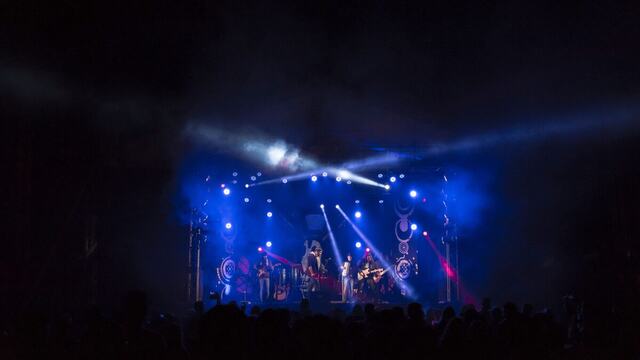
Picture the front rail at a festival. The build has been climbing for sixteen bars, the snare rolls are getting faster, a filter is opening on the synths, and the whole field of people has their hands up waiting for one thing. Then the low end lands, the kick returns, and everyone moves at once. That single moment is what an EDM track is actually built around. Everything before it exists to set it up, and everything after it exists to give people room to breathe before the next one.
When you produce AI EDM music with a tool like Suno, the smartest thing you can do is design backward from that moment. Most beginners write from the intro forward and hope a good drop shows up somewhere. Producers who have played to a crowd think the opposite way. They know exactly how the payoff should feel, then they reverse engineer the tension that earns it. This walkthrough follows that method, section by section, so your tracks land instead of drift.
Turn your idea into a finished file
Generate a track, then grab a clean MP3 or WAV to drop into your set or your DAW.
Open the free downloaderStart with the drop
The drop is the thesis statement of the whole song, so write it first. Before you touch a prompt, decide three things: what the main hook sounds like, how heavy the low end sits, and how much space is left for movement. A future bass drop is wide and lush with vocal chops filling the midrange. A dubstep drop is sparse and mechanical, leaving huge gaps between hits so each one feels violent. A house drop keeps a steady groove so bodies stay in motion rather than stopping and starting.
When you prompt an ai edm generator for the drop, describe energy and texture rather than gear. Instead of naming a specific synth, ask for a "fat detuned lead over a punchy four on the floor kick, wide stereo image, aggressive and bright." The model responds to feel words. Give it a clear picture of the peak and it will build the surrounding arrangement to match. Once you have a drop you like, everything else in the track becomes a question of how you get in and out of it.
One habit worth keeping: generate several versions of the same drop idea and compare them on real speakers, not laptop output. The low end is where AI tracks either convince people or fall apart, and tiny laptop drivers hide the difference. When one version clearly hits hardest, that is your anchor. Build the rest of the arrangement to serve it.
The build and the tension
A build is a promise. It tells the crowd that something bigger is coming and makes them wait just long enough to want it badly. The classic tools are a rising synth or noise sweep, a snare roll that doubles and then doubles again in speed, a filter slowly opening, and often a moment of silence right before the drop where everything cuts out for a beat. That silence is not empty. It is the loudest part of the whole track because it makes the return feel enormous.
In your prompts, name the build explicitly. Words like "rising tension, accelerating snare roll, filter sweep opening up, big anticipation before the drop" push the model toward that shape. The length matters too. Eight bars of build feels quick and punchy, good for a radio friendly cut. Sixteen or more bars feels patient and huge, which is what a festival crowd expects. Ask for the longer build when you want the payoff to feel earned.
Tension is not only about volume climbing. It is about removing certainty. Take the kick out during the last few bars so the floor drops away, then bring it back with the main hook. Pitch a riser upward so the ear keeps expecting resolution that never quite arrives until the drop. These are old tricks, and they work because the human nervous system responds to them whether the sound came from a studio or a model.
The breakdown and the breather
No one can stay at peak energy for four minutes. The breakdown is where the track pulls back, strips down to a few elements, and lets both the crowd and the arrangement recover. This is often the most melodic and emotional part of a track. A stripped piano chord progression, a lone vocal line, a pad that swells slowly. It is the calm that makes the next drop feel like a return rather than a repeat.
When producing AI EDM music, the breakdown is also where you show range. If your whole track is wall to wall intensity, it flattens out and stops feeling intense at all. Contrast is what keeps energy legible. Prompt for something like "emotional breakdown, sparse piano and airy pad, reverb heavy, building slowly back toward the drop." The model tends to handle these softer passages cleanly because there is less competing for space in the mix.
Think of the breakdown as the second act of a two act story. The first drop introduced the idea. The breakdown reflects on it and adds doubt. The final drop resolves everything with more force than before, often by layering in an extra element you held back. Save one sound, a countermelody or a vocal chop, purely for that last drop so it clearly outshines the first.
The bassline and the low end
The low end is the engine of any EDM track, and it is where the genre lives or dies on a big system. There are two jobs happening down there: the kick provides the rhythmic punch, and the bass provides the harmonic and physical weight. They have to share space without fighting, which is why sidechain compression, the pumping effect where the bass ducks every time the kick hits, is so central to the sound. Even if you are not mixing by hand, prompting for a "tight sidechained bass that pumps with the kick" pushes the model toward that groove.
Different subgenres want different low ends. House sits on a rolling, continuous bass that keeps momentum. Future bass uses a big detuned bass that moves with the chords. Dubstep wants a growling, modulated bass with lots of movement and space around it. Trance often runs a rolling offbeat bassline that drives forward under a soaring lead. Name the character you want and the arrangement follows.
A practical tip: when you download the finished track to check your work, listen specifically for whether the kick and bass stay distinct or turn into a single muddy thump. If they blur together, regenerate with a prompt that asks for "clear separation between kick and bass, punchy and defined low end." Getting a clean bounce to review on headphones and speakers is the fastest way to catch low end problems before you commit to a version.
Vocals, chops, and hooks
Not every EDM track needs a full topline, but the ones that travel furthest usually have something for the ear to latch onto beyond the drop. That hook can be a sung vocal, a repeated phrase, or a chopped vocal used as an instrument. Future bass in particular is built on vocal chops, where a single sung word gets sliced and pitched to play the melody of the drop. It gives the section a human quality that pure synths cannot match.
When you want a vocal presence, say so plainly in the prompt. Ask for "chopped female vocal playing the lead melody in the drop" or "catchy sung hook in the chorus, anthemic and memorable." If you want a purely instrumental cut instead, the approach is different enough that it is worth reading a dedicated guide before you start. The key idea is that a hook gives listeners a reason to return, and returns are what turn a track from background noise into something people request by name.
Be deliberate about where the vocal sits. A vocal that runs the entire track leaves no room for the drop to speak. Most strong arrangements put the vocal in the build and the breakdown, then hand the drop over to the synths and bass. That trade keeps both worlds distinct. The voice carries emotion and memory, the drop carries physical energy, and neither one has to compete for the same space.
Loudness and the final bounce
EDM is a loud genre, and part of its character is a mix that hits hard without clipping into distortion. You do not need a mastering engineer to get a usable result, but you should listen critically to the finished bounce. A track that sounds punchy on your monitors might turn to mush on a phone speaker or fall apart in a car. Checking on several systems is the cheapest quality control you have.
Pay attention to whether the loudest sections stay clean. If the drop crackles or the low end swamps everything else, regenerate with a prompt asking for "clean punchy mix, controlled low end, loud but not distorted." Once a version holds up across a phone, headphones, and a proper speaker, it is ready. Download the finished track in the format your next step needs, an MP3 for quick sharing or a WAV for further editing, and you have a release ready file rather than a rough sketch.
Festival energy versus radio edit
The same core idea can be arranged two very different ways depending on where it will be heard. A festival version wants length, patience, long builds, and drops that repeat with variation so a DJ can mix in and out of them. Energy is the priority and a six minute runtime is normal. A radio edit wants to get to the hook fast, keep the whole thing under three and a half minutes, and prioritize the vocal or the melody over raw system pressure.
When you prompt for each, shift your language. For a club or festival cut, ask for "extended intro, long build, big festival drop, DJ friendly structure, high energy throughout." For a radio version, ask for "short intro, quick hook, tight structure, vocal forward, radio edit length." The same melodic idea can serve both, and generating both from the same seed gives you a coherent release rather than two unrelated songs.
Knowing which you are making before you start saves a lot of wasted generations. A festival track judged by radio standards feels too long and repetitive. A radio edit judged by festival standards feels rushed and thin. Pick the context first, then let every arrangement decision serve it.
Prompt starting points by subgenre
Prompts are where intent becomes sound, so it helps to have a starting shape for each corner of the genre. Treat these as launch points, not final answers. Adjust the tempo, swap the mood words, and regenerate until the drop hits the way you heard it in your head.
| Subgenre | Prompt starting point |
|---|---|
| House | Groovy house, steady four on the floor kick at 124 bpm, rolling bassline, filtered chords, warm and hypnotic, DJ friendly |
| Future bass | Future bass, lush detuned supersaw chords, vocal chops, big emotional drop, wide stereo, bright and modern at 150 bpm |
| Dubstep | Heavy dubstep, sparse growling modulated bass, hard snare on the third beat, mechanical and aggressive, lots of space at 140 bpm |
| Trance | Uplifting trance, rolling offbeat bass, soaring supersaw lead, long emotional build, euphoric drop at 138 bpm |
| Techno | Driving techno, hypnotic minimal groove, deep rumbling bass, hi hat rides, dark and industrial, relentless at 128 bpm |
Notice that each prompt names a tempo, a low end character, and a mood. Those three levers do most of the work. Tempo sets the whole feel before a single note plays. The bass character decides how the track sits on a system. The mood words steer the melody. When a generation misses, change one of those three rather than rewriting the entire prompt, so you can hear what each change actually did.
Layering and the second pass
The first generation is rarely the finished record. Real production is iterative, and working with an AI tool is no different. Once you have a version whose drop and structure feel right, listen for what is missing. Maybe the intro needs a percussion loop to pull people in. Maybe the second drop needs an extra layer to top the first. Maybe the breakdown runs a few bars too long and kills momentum. Note each issue, then regenerate with a prompt that addresses it directly.
This is also where you decide on transitions. Impacts, downlifters, and white noise sweeps are the glue that connects sections. A drop that arrives with a big cymbal crash and a sub boom feels intentional. One that just starts feels accidental. If your generations lack that connective tissue, ask for "clear transitions, impact hits and sweeps between sections" and you will usually get a more finished arrangement.
When the arrangement finally serves the drop from start to finish, that is the version to keep. Download the finished track, live with it for a day, and come back with fresh ears. Distance reveals whether the energy actually holds up or whether you fell in love with a moment that does not survive a second listen. If it still moves you the next morning, you have a track worth releasing.
Where AI EDM music fits
Producing electronic music this way does not replace learning to arrange. It speeds up the part where ideas become audio so you can spend your energy on taste and structure rather than fighting a mixer for six hours. The producers who get the most out of an ai edm generator are the ones who already know what a good drop feels like and use the tool to reach it faster. If you understand tension, contrast, and low end, the model becomes a very fast collaborator that never gets tired of your notes.
Start at the drop. Earn it with a build. Give people a breather. Keep the low end clean. Decide whether you are making a festival weapon or a radio hook before you write a single bar. Do those things and your AI EDM music will feel designed rather than generated, which is the whole difference between a track people scroll past and one that gets their hands in the air.