 Suno Downloader AI
How to make a first communion song with AI
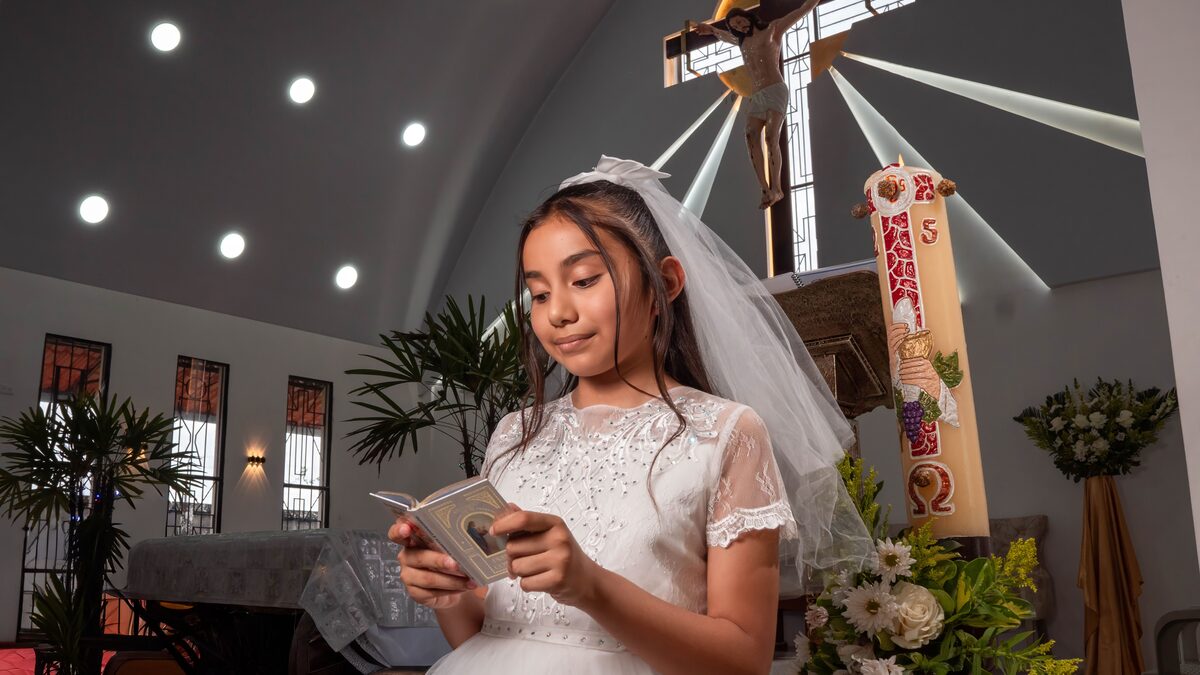
A first communion is one of those days a family remembers for a long time. There is the white outfit, the quiet nerves in the morning, the proud grandparents, the small hands folded carefully. For many families it marks a real step in a child's life, a moment of belonging and of growing up a little. A gentle song made just for the day can hold that feeling and let you keep it long after the flowers have faded and the good clothes are folded away. With an AI tool like Suno, you can make one yourself, even with no musical background, and keep it as a small treasure for years.
This guide walks through it calmly and simply, the same spirit the day deserves. The goal is not a big production. It is a soft, personal song that fits a child and a quiet occasion, that you can play at the family gathering afterward and hold onto forever. Let's go through the choices one at a time, without rushing.
You do not need any musical skill to do this. The AI writes the melody, arranges the instruments, and sings the words. Your part is the gentle, human work of deciding what feels right for your child and your family, and then steering the tool with simple, clear descriptions. If you have ever hummed a tune to settle a child or picked a quiet song for a car ride, you already have the instinct this needs. Take your time, keep it small, and let the day guide your choices rather than any idea of making something impressive.
Choosing a style that suits the day
The first decision is the sound, and for a first communion you want something gentle. This is not the day for anything loud or busy. The styles that fit best are the ones that feel calm and warm and leave room to breathe. A soft acoustic guitar has a natural, honest feel that suits a child. A gentle piano piece feels a little more formal and works beautifully for a keepsake. A light, hymn-like melody carries a sense of the occasion without being heavy. A soft choir or a single tender voice can feel reverent and sweet at the same time.
When you describe the music to the AI, use words that steer it toward that softness. Terms like gentle, warm, soft, tender, acoustic, and simple all help. Ask for a sparse arrangement so nothing crowds the melody, and avoid anything with strong drums or a driving beat. A prompt along the lines of "gentle acoustic ballad, soft piano, warm and calm, simple and tender, suitable for a child" points Suno in the right direction. Generate a few versions and choose the one that feels the most peaceful when you close your eyes and listen.
Keep in mind who will hear it. Grandparents, young cousins, and the child themselves will all be listening. A style that feels warm and unhurried welcomes everyone in and never feels out of place at a family table.
Writing lyrics that fit a child
The words are where care matters most. A first communion song should feel light and kind, written at the level of a child, never heavy or complicated. You are not trying to explain deep ideas. You are marking a happy, gentle day in the life of someone small, and the lyrics should sound like they were written with love rather than with effort.
Keep the language simple and warm. Write about the child, their special day, the family gathered around them, and the pride and love everyone feels. You can touch on faith gently, in a way that feels natural to your family, without turning the song into a lesson. Think about the words you would actually say to the child that morning, quiet and encouraging, and write in that voice. Short lines work better than long ones. A child can follow a simple melody with clear words, and so can everyone else in the room.
Avoid anything that feels too grown up or too solemn. The day is meaningful, but for the child it is also exciting and a little bit special in the way a birthday is special. Let the song hold both the meaning and the sweetness. If a line starts to sound like it belongs in a formal reading, soften it or cut it. The test is simple: would this line make sense and feel kind if you sang it directly to the child? If yes, keep it.
When you ask the AI to write or shape the lyrics, give it a gentle steer along with your details. Ask for words that are simple, warm, and suitable for a young child, and tell it to keep the tone light and loving rather than heavy. If the first draft comes back feeling too formal or too complicated, do not settle for it. Rewrite the parts that feel off, or regenerate with plainer instructions, and keep going until every line sounds like something a family member would happily say to the child. It usually takes a few tries to land on words that feel both meaningful and easy, and that patience is what makes the song feel handmade rather than generic. Reading the finished lyrics aloud is a good final check, since anything stiff or awkward tends to reveal itself the moment you say it out loud.
Keeping it appropriate and simple
It is worth saying plainly that restraint is the whole art here. The temptation with any AI tool is to add more, a bigger arrangement, more verses, a soaring bridge. For a first communion song, less is almost always better. A short, simple, gentle song fits the occasion far better than something elaborate.
Stay away from dramatic key changes, big instrumental swells, and anything that feels like a performance rather than a quiet gift. Keep the structure plain, perhaps a verse and a chorus that repeats, so the whole thing feels familiar after a single listen. Familiarity is comforting, and comfort is what you want. If the AI hands you something that feels too polished or too big, regenerate with simpler prompts and ask for a stripped-back, gentle version.
Simple also means easy to sing along to, and that matters if you imagine the family humming it together. A melody a child could learn is a melody that becomes part of the family's memory of the day. Aim for something so gentle and clear that even the youngest cousin could follow it.
It helps to think about how the child themselves will feel hearing it. A first communion can be a big day for someone small, full of new clothes, unfamiliar faces, and being the center of attention. A song that is calm and warm can be a comfort in the middle of all that, something that feels like a hug rather than another grand moment to live up to. Keeping the song gentle is not only about matching the occasion, it is about being kind to the child at the heart of it. If you picture the song playing while they sit tired and happy at the end of the day, you will make the right choices about how big or small it should be.
Involving the child in making it
One quiet joy of making the song yourself is that the child can be part of it, and being part of it can mean more to them than the finished song does. You do not have to hand them the whole project, but small choices are easy to share. Ask them what their favorite kind of music is, whether they would like a guitar or a piano, or whether the song should be happy or calm. Even a single choice makes them feel that the song is truly theirs.
You might also ask the child what they would want the song to be about, and you may be surprised by the simple, honest answers a young person gives. Their words often make better lyrics than anything an adult would write, precisely because they are plain and true. If your child is old enough, they could even sit with you while you listen to a few generated versions and point to the one they like best. That shared moment, choosing the song together, can become a memory of its own, folded into the memory of the day. Keep it light and optional, so it stays a treat rather than a task.
Including the child's name and date
What turns a nice song into a keepsake is the personal detail. The single most powerful thing you can do is put the child's name into the lyrics. Hearing their own name sung softly in a song made just for them is something a child remembers, and it is what separates your song from anything you could find already made. Use the name naturally, perhaps in the chorus so it returns a few times, sung with warmth.
You can weave in more than the name. Consider including these small, meaningful pieces:
- The child's name, sung gently and clearly, ideally more than once.
- The date of the first communion, so the song is tied forever to the exact day.
- The name of the church or parish, if it feels natural in a line.
- A small detail about the child, a favorite thing or a gentle wish for their future.
- A quiet mention of the family gathered, the people who love them.
Feed these details to the AI as concrete words rather than vague ideas. When you write the prompt, give it the actual name and date instead of asking for something generic, and it will hand back something that belongs to your family and no one else. Check that the AI sings the name correctly, since names can sometimes come out mispronounced. If that happens, try spelling the name the way it sounds, or regenerate until it lands right. The name is the heart of the song, so it is worth getting perfect.
Length for a ceremony versus a keepsake
How long the song should be depends on what you want it for, and it is worth being clear with yourself about that before you finish. There are really two common uses, and they call for slightly different lengths.
If the song is meant to play during a gathering, at the meal afterward or as people arrive, a full song of two to three minutes works nicely. It gives the music room to settle into the background and be enjoyed without ending too soon. Keep it gentle enough to sit under conversation without disappearing entirely. If instead you picture a short, focused moment, perhaps a quiet minute where the family listens together before the meal, a shorter song of ninety seconds or so keeps everyone's attention and feels intimate.
If the song is mainly a keepsake, something to save and replay on the child's birthday or on the anniversary of the day, length matters less and feeling matters more. A keepsake can be short. What counts is that every second of it is warm and true. Many families find that a gentle two-minute version serves both purposes well, long enough to enjoy at the gathering and short enough to treasure. You can always make one longer version for the day and keep it as your single saved copy.
Playing it gently at the gathering
When you do share the song at the family gathering, a little thought about the setting keeps it feeling special rather than awkward. A gentle song can get lost if it plays over loud conversation and clattering plates, so pick a moment when the room can actually hear it. Many families choose the beginning of the meal, a short pause before everyone starts eating, when people are seated and settled and willing to listen for a minute or two. Others save it for the end, when things have quieted and the child is tired and happy.
You do not need to make a big announcement or turn it into a performance that puts the child on the spot. A simple word is enough, letting people know you made a little song for the day and would like to play it. Keep the volume soft, warm rather than loud, and let the song fill the quiet gently. If the child seems shy about the attention, you can play it more in the background, so it is there to be noticed without anyone being asked to watch them. Read the room and the child, and let the song serve the moment rather than interrupt it.
Some families like to pair the song with something small, a slideshow of photos from the morning, or simply everyone sitting together for its short length. There is no rule here. The song is a gift, and gifts are best given without pressure. However you choose to share it, the fact that you made it by hand, with the child's own name inside, is what people will remember.
Ready to save your communion song?
Paste your Suno link, choose MP3 or WAV, download. Free, no sign up.
Open the free downloaderDownloading it to keep and to play
Once the song sounds the way you want, the final step is to save it properly, and this is more important than it first seems. A song that lives only inside an app can be lost if your account changes, if the tool updates, or if you simply cannot find it a year later when you want to play it on the child's birthday. A keepsake needs to be a real file that you own and can keep safe.
Take the share link from Suno and run it through a free downloader to save a clean copy to your own device. For a keepsake you want to protect, choosing WAV gives you the highest quality, a pristine version you can store and even print to a disc or save to a family drive. If you mainly want to play it easily from a phone at the gathering, MP3 is smaller and works on every device. Many families save both, a WAV to keep forever and an MP3 for everyday playing.
Once you have the file, treat it like the small treasure it is. Keep a copy somewhere safe, a family photo folder, a backup drive, or wherever you store the pictures from the day. If you plan to play it at the gathering, download it ahead of time and test it with the internet turned off, so a weak signal at the hall or at home cannot interrupt the moment. Set the volume gently before people gather, since this is a soft song and it only needs to be heard, not to fill the room.
A song that stays with the family
Years from now, the white outfit will not fit and the flowers will be long gone, but a song can still be played. On the child's next birthday, on the anniversary of the day, or simply on a quiet evening when you want to remember, the song will be there, with their name sung softly and the date woven in. That is the quiet gift of making one yourself. It costs you a little care and no musical skill at all, and it gives the family something to hold.
The whole process comes down to a few gentle choices. Pick a soft, simple style. Write kind, easy words at a child's level. Keep it appropriate and unhurried. Put the child's name and the date at the center of it. Choose a length that fits how you will use it. Then download it and keep it safe. Do those things with love and a light hand, and you will have marked a meaningful day with something warm and personal, made just for one child, to keep for as long as the family remembers.