 Suno Downloader AI
AI memorial song: a gentle tribute to a life
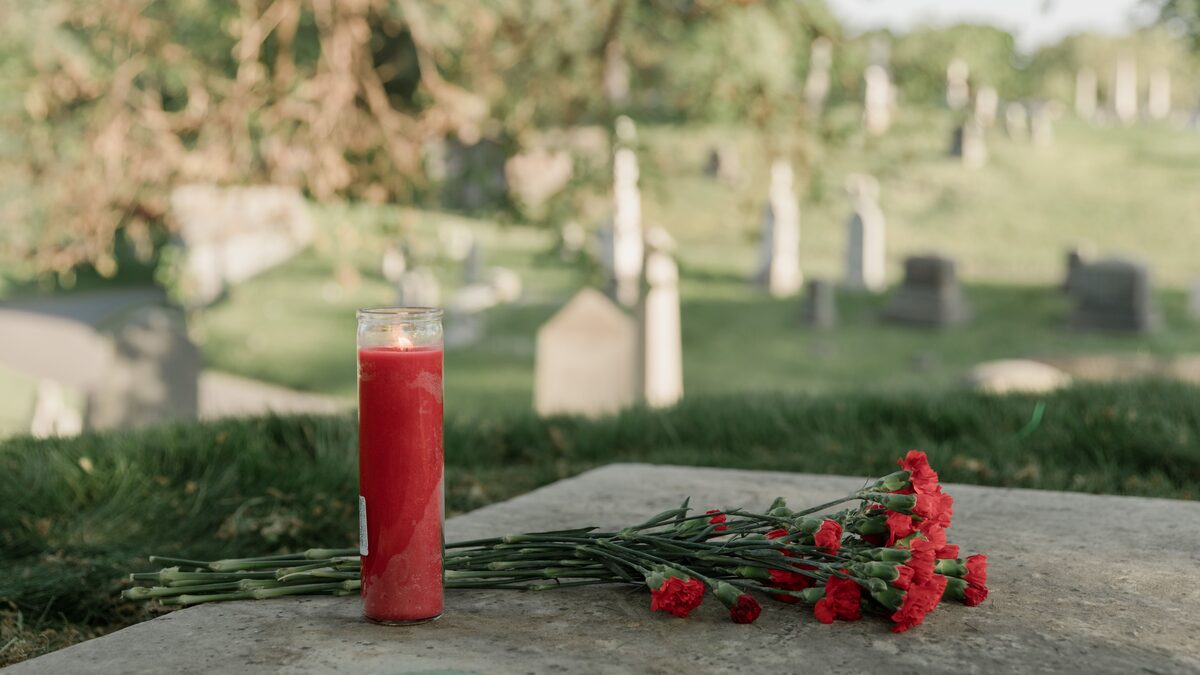
When someone we love is gone, we look for ways to hold on to them. We tell their stories, we keep their photographs close, we return to the songs that remind us of them. Sometimes we wish there were a song that was truly theirs, one that spoke their name and carried their spirit. Making a memorial song is a quiet, loving way to do that. It gives grief somewhere to go, and it leaves behind something you can return to whenever you want to feel close to the person you have lost.
This is a tender undertaking, and there is no right or wrong way to grieve or to remember. If you are reading this in the early days of a loss, be gentle with yourself, and come back to these ideas whenever you feel ready. What follows is a soft guide to making a personalized memorial song with a tool like Suno, offered in the hope that it might help you honor someone who mattered and bring a little comfort to those who are missing them.
How a song can help us remember
Music reaches places that words alone cannot. A melody can hold sorrow and love at the same time, and it can carry a memory more vividly than a photograph. A song made for a specific person becomes a small, portable memorial, something you can play in a quiet moment at home, share with family who live far away, or offer at a service when you are not sure what else to say.
For the people grieving, a personalized song can be a comfort in several ways. It gives shape to feelings that are hard to speak aloud. It invites everyone to remember the same person together, which can ease the loneliness that grief so often brings. And because it is made with love and attention, it becomes a keepsake, a thing that outlasts the hardest days and remains as a gentle way to visit the memory of someone dear. There is no pressure for it to be perfect. Its value comes from the care behind it, not from polish.
Some families find that making the song together becomes part of the healing. Sitting down to remember someone, to gather the stories and the details that made them who they were, can be a bittersweet comfort in itself. Others prefer to make it privately and share it when the time feels right. Both are good. Let the process fit your own needs and those of the people around you.
It can also be a way to include people who feel they have no other role to play. In the days after a loss, many of us long to do something, to contribute in a way that honors the person, and a song offers a gentle place to put that energy. A grandchild who is too young to speak at a service might suggest a memory to include. A relative far away who cannot travel might send a line or a story. In this way the song can gather many quiet acts of love into one place, and that gathering can itself be a comfort. There is no pressure to involve anyone, but the option is there if it would help.
What to include
The heart of a memorial song is the person themselves, and the most moving songs are built from specific, true things. You do not need many. A few real details, chosen with care, say more than a page of general sentiment.
Begin with their name. Hearing a loved one's name sung gently can be profoundly moving, and it makes the song unmistakably theirs. From there, gather the small things that made them who they were. The way they laughed. A phrase they always said. The garden they tended, the songs they hummed, the meals they cooked for everyone. The kindness they were known for, or the mischief in their eye. These are the details that let the people listening see the person again, if only for the length of a song.
You might include a memory or two that the whole family shares, a place you all associate with them, a tradition they kept, a moment that captures their spirit. Think about what you would want a stranger to understand about them if they only had three minutes. That is the essence to reach for. If it helps, gather a few lines from other family members, so the song holds more than one person's love.
Above all, let the song reflect their spirit rather than only your sorrow. Many families find the most comfort in a song that celebrates who the person was, that remembers their warmth and their joy, alongside the ache of missing them. Grief and gratitude can live in the same song, and often the most healing tributes hold both. Write the words as if you were speaking to them, or about them, with love.
If putting words together feels hard right now, that is completely understandable, and there are gentle ways to begin. You might start by writing a simple list of things you want to remember, with no worry about rhyme or structure, just true sentences about the person. Something as plain as "you always sang in the kitchen" or "you never forgot a birthday" can become a line in a song. If you would rather not write the lyrics yourself at all, you can describe the person and the feeling you are hoping for and let the tool draft words for you to shape and soften. There is no wrong way to arrive at the words. What matters is that they are honest, and that they sound like the person you are remembering.
Take care, too, with the balance of the song's story. Some people want the whole song to be a warm celebration of a life well lived. Others need it to hold the sadness openly, to say plainly how much this person is missed. Neither is more correct, and you may find the truest version sits somewhere in between, moving from sorrow toward a quiet gratitude by the final verse. Let the shape of the song follow the shape of your own feelings, and trust that whatever emerges honestly will be right.
Gentle styles that suit remembrance
For a memorial song, softer and simpler almost always feels right. The music should hold the words gently and stay out of their way. A few styles tend to suit this kind of tribute especially well, and you can point Suno toward them when you write your prompt.
A soft acoustic setting, with a fingerpicked guitar or a quiet piano, creates an intimate, unhurried feeling that lets every word land. This is often the most natural choice for a personal tribute. You might prompt for something like "gentle acoustic ballad, soft fingerpicked guitar, tender and heartfelt, slow and warm."
A hymn-like or sacred style suits those for whom faith was important, or anyone who would have found comfort in something reverent. A slow, prayerful arrangement with gentle harmonies can feel fitting at a service. You could ask for "peaceful hymn-like song, soft choir harmonies, reverent and calm, slow tempo."
A calm, ambient, or orchestral style can work beautifully when you want something more contemplative, with strings or soft pads that create a sense of space for reflection. A prompt such as "calm reflective song with warm strings and gentle piano, peaceful and comforting" points in that direction. Whichever you choose, keep the tempo unhurried and the arrangement uncluttered, and ask for a voice that sounds warm and sincere rather than showy. The goal is tenderness, not spectacle.
You might also let the person's own taste guide the music, the way it can guide the words. If they loved a particular kind of song, a favorite hymn, a folk ballad, an old standard they hummed around the house, leaning gently in that direction can make the tribute feel even closer to them. A song that echoes the music they loved becomes a way of speaking in their language, and family members often recognize that choice with a quiet, grateful smile. There is no need to copy a specific song, only to let their spirit shape the feeling of yours.
Whatever style you choose, it can help to keep the vocal soft and unhurried and to leave a little space in the arrangement. Silence and gentle pauses give the listener room to feel, which is often what a grieving heart needs most. A sparse, tender arrangement usually carries more weight than a full, busy one, so if a version comes back feeling too grand or too polished, try again asking for something simpler and quieter. The most comforting memorial songs tend to feel intimate, as though they are being sung just for you, in a small room, by someone who understood.
When it feels right
If you would like to keep the song to play at a service or in a quiet moment, you can save a copy here whenever you are ready.
Open the free downloaderUsing the song at a service or in private
A memorial song can find a place in many settings, and there is no single right way to use it. At a funeral or memorial service, it might play during a moment of reflection, alongside a slideshow of photographs, or as people gather or depart. If you would like to use it this way, it can help to let whoever is leading the service know in advance, so there is a gentle, unhurried space for it. Printing the words, or sharing them quietly beforehand, lets everyone follow along and take in the specific memories woven into the song.
Away from any service, the song can live in quieter places. Some people play it on difficult anniversaries, on birthdays, or on the ordinary days when the missing feels heavy. Some share it with family members who could not be there in person, so they too have something of the person to hold. Some simply keep it, knowing it is there, a small comfort available whenever they need it. However it is used, let it be on your own terms and in your own time.
Be prepared for the song to affect people deeply, sometimes when they least expect it. Grief has its own timing, and a piece of music that felt comforting one day can bring fresh tears the next. That is not a sign that anything is wrong. It is simply the song doing what it was made to do, keeping the person close enough to feel. If you plan to share it with others, a gentle word beforehand can help, letting them know a personal song is coming so they can listen when they feel ready rather than being caught off guard. Small kindnesses like that make room for everyone to grieve in their own way.
If you plan to play the song at a gathering, it is worth saving the file to your own device beforehand so you are not relying on a connection in a moment that matters. Having it downloaded and ready means the song plays smoothly when you need it, without anything to fuss over. It also means you can pass a copy to family members who would like to keep it close.
Keeping it deeply personal
The most meaningful memorial songs are the ones that could only have been written about one person. As you make yours, let the true details lead, and set aside any generic phrases that could apply to anyone. It is the specific memory, the particular name, the small quirk that only your family would recognize, that turns a piece of music into a genuine tribute. Trust that the honest, ordinary details of a life are exactly what make it precious.
Take your time with it. There is no need to settle for the first version, and you may find that making several gentle attempts, listening quietly, and choosing the one that feels closest to the person is part of how you honor them. Some people revise the words over days, adding a memory here, softening a line there, until the song feels true. Let it take as long as it takes.
Try not to measure the song against professional recordings or to worry whether it is good enough. A memorial song is not a performance to be judged. It is a private act of remembrance, and its worth has nothing to do with production quality or a perfect vocal. The people who hear it will feel the intention behind it long before they notice anything technical. What they will remember is that someone cared enough to make it, to say the name aloud, and to gather the small true things that made a life what it was. That care is the whole gift, and no amount of polish could add to it or take away from it.
And be kind to yourself throughout. Working on a tribute like this can bring tears as easily as comfort, and both are welcome. If it becomes too much on a given day, step away and return later. There is no deadline here, and no one is waiting on it but you. This is not a task to rush or to perfect. It is simply a loving act, a way of saying a name aloud, of holding on to someone dear, and of offering those who grieve alongside you something warm to return to. When you are ready, you can save the finished song and keep it somewhere safe, so it is always there in the quiet moments when you want to hear it again. However your song turns out, the love that went into it is what will be felt, and that is what a tribute is truly for.