 Suno Downloader AI
AI music for fashion shows: scoring the runway
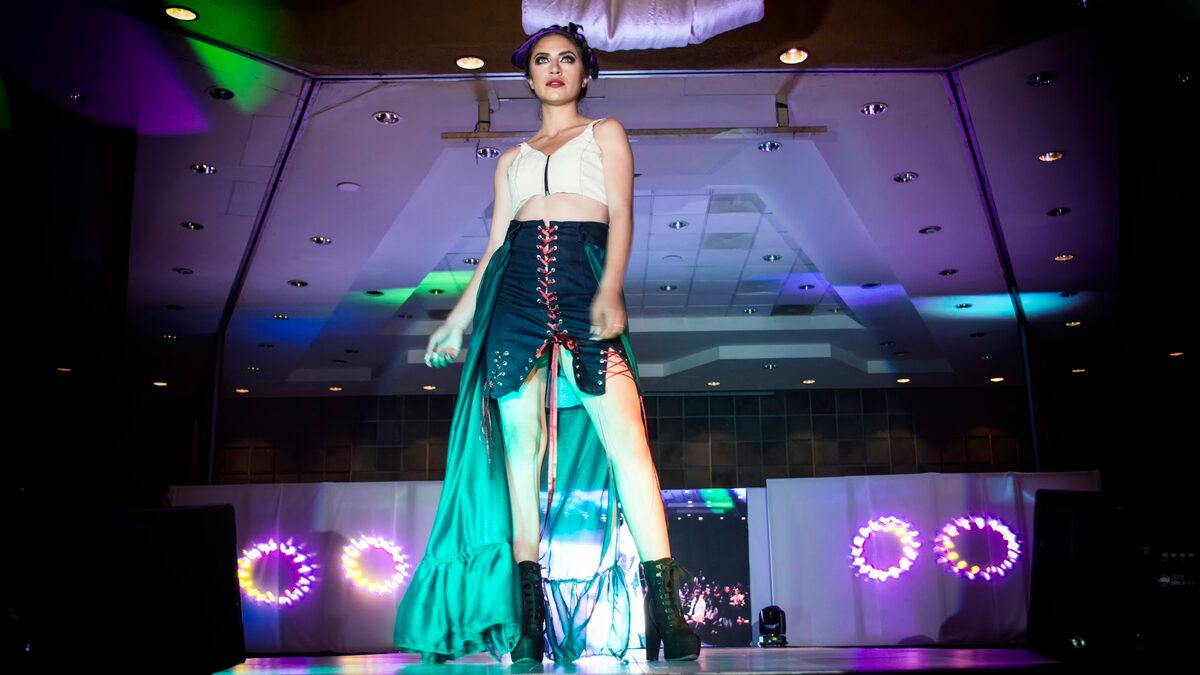
The lights drop, the first note lands, and before a single model has stepped out the audience already knows what kind of show this is going to be. That is the power of a runway track. It sets the pulse of the room, tells everyone how to hold their attention, and frames every look that follows. Get it right and the clothes seem to move in time with the music. Get it wrong and even a strong collection feels flat, mistimed, and smaller than it is.
For a long time the answer was to license a known song and hope the budget covered it, or to settle for a stock track that never quite matched the collection. AI music tools such as Suno change that math. A designer or event planner can now describe the exact feeling of a show and generate a track built for it, then keep refining until the sound and the season line up. This guide walks through how to score a runway that way, from matching the music to the clothes through to timing, energy, and clearing the track for a public audience.
Start with the collection's vibe
Before you think about beats or drops, decide what the collection is saying. Every line has a mood. It might be sharp and rebellious, quiet and refined, or bright and full of play. The music has to agree with that mood, because the audience reads the two together as a single statement. A soft, romantic collection scored with aggressive industrial noise confuses people, and confusion is the last thing you want in the two minutes it takes to show your work.
Put the mood into words you can hand to a generator. For an edgy collection, ask for something dark, driving, and a little raw, with a heavy low end and an attitude that does not apologize. For an elegant line, ask for something restrained and cinematic, maybe a slow build with strings or a clean piano figure, nothing that shouts. For a playful, colorful collection, ask for something light and bouncy, an upbeat tempo with a melody that makes people want to smile. The clearer your description of the feeling, the closer the first batch of results will land.
Generate several options and audition them against the clothes, not in isolation. Pull up your lookbook or a rail of the actual garments and play each track while you look. The right one clicks in a way you feel more than analyze. When it clicks, download it and keep it, because a track that matches the collection is the foundation everything else in this guide sits on.
It also helps to think about the story behind the collection, not just its surface look. A line inspired by a specific city, a decade, or a feeling gives you extra words to hand the generator. If the clothes came out of late nights and neon, say so in the prompt and let the music carry that same origin. If they were built around calm and natural fabric, ask for something open and unhurried with plenty of space between the sounds. The more the track shares a source with the clothes, the more the two feel like halves of one idea rather than a garment show with a soundtrack stapled on top.
Match the beat to the walk
A runway is a piece of choreography even when nobody calls it that. Models walk at a set pace, they hit a mark, they pause, they turn, and they walk back. The music has to sit comfortably with that rhythm. If the beat fights the walk, the whole show looks slightly off, and the audience senses it without knowing why.
The number that matters here is tempo, measured in beats per minute. A confident, steady runway walk tends to sit somewhere in the range of a firm mid-tempo track, fast enough to feel purposeful but not so fast that the models look rushed. Time a few practice walks with a metronome or a stopwatch, find the pace that looks right for your models and your clothes, and then ask the generator for music at roughly that tempo. Describing the speed in plain terms, a steady mid-tempo groove, a slow and stately pace, a quick energetic pulse, points the tool in the right direction.
Once you have a track near the right tempo, rehearse to it. Watch where the models naturally hit the beat and where they drift off it. Small mismatches often fix themselves when the models practice to the real music, which is another reason to download your track early and rehearse with the actual file rather than a placeholder. If the pace is close but not perfect, it is usually easier to adjust the walk slightly than to fight the music.
Pay attention to the pauses as well as the walking. Most shows ask a model to stop at the end of the runway, hold a pose, and turn before heading back. Those pauses look best when the music gives them somewhere to land, a held note or a small break in the beat rather than a busy passage rushing past. When you generate a track, listen for whether it has room in it, moments of space where a model can hit a mark and let the audience look. A wall of sound with no breathing room makes every pause feel rushed. A track with a little air in it makes the same pause feel like a deliberate beat in the show.
Consider the size of the show too. A short capsule collection of a dozen looks needs a very different piece of music from a full runway of forty. Count your looks, estimate the time each takes to walk out and back, and add it up before you decide how long the track needs to run. Generating a piece that is roughly the right length from the start saves you from either looping a short track awkwardly or cutting a long one off before it resolves. Because you control the file, you can trim and arrange it to match the exact running time once the walk order is set.
Build energy across the show
A runway show is not a flat two minutes at one level. It has a shape. There is the opening that grabs the room, a middle that holds attention as look after look comes out, and a finale that sends everyone off on a high. The music should follow that shape, rising and shifting so the energy in the room climbs toward the end instead of sitting still.
You can handle this in one of two ways with AI-generated music. The first is to build a single longer track that changes as it goes, starting more restrained and adding energy toward the finale. Describe that arc in your prompt: begin sparse and moody, then grow into something fuller and more driving. The second way is to generate two or three separate tracks, one for the opening stretch, one for the body of the show, and one for the finale, all sharing enough sound to feel like one piece. Because you can download each track and arrange them in order, you control exactly where the energy lifts.
Whichever route you take, plan the rise on paper first. Note how many looks you have, roughly how long the whole show runs, and where you want the biggest moment. Then generate music to fit that plan rather than hoping a random track happens to peak at the right time. The audience will not consciously track the build, but they will feel the show gathering force as it goes, and that feeling is what they remember.
Score your next show for free
Describe the collection, generate a runway track that fits its mood and pace, then download the version you love and rehearse to it.
Open the free downloaderA strong opening and finale
Two moments carry more weight than any others: the first few seconds and the last. The opening track has one job, which is to turn a chatty room into an attentive one. It should arrive with enough presence that conversations stop and eyes move to the top of the runway. A slow, tense build that resolves as the first model appears works well, because it creates a moment of anticipation and then pays it off.
Ask the generator for an opener that starts quiet and grows, or one that lands with a single strong statement, depending on the collection. Give it a clear beginning that you can trigger on cue. You want to be able to hit play and know that within a couple of seconds the room will be yours. Download a few candidates and test them in the actual space if you can, because a room's size and echo change how a track feels.
The finale is the opposite energy. This is the walk where all the models come out together, where the designer often appears, and where the applause builds. The music should be the biggest, warmest, most confident thing in the whole show. Ask for something triumphant and full, with a clear peak the finale walk can land on. Time it so the strongest moment of the track hits while the full line is on the runway. A finale that swells at exactly the right second turns a good show into one people talk about on the way out.
Think about what happens right after the finale too. The music does not have to stop dead when the last model reaches the top of the runway. A short outro that carries the applause and covers the moment the room stands and turns to leave keeps the energy from dropping off a cliff. Generate a little more track than you think you need at the end, so you have something to fade rather than a hard stop that leaves the room in sudden silence. That extra fifteen or twenty seconds is cheap insurance against an awkward finish.
Copyright safety for a public show
Playing music to a live audience is a public performance, and that is where licensing normally gets complicated and expensive. Using a famous song at a fashion show can mean clearances, fees, and the risk of a takedown if the show is filmed and posted. Music you generate yourself sidesteps the biggest part of that problem, because you are not borrowing someone else's recording to play in public.
That said, what you are allowed to do commercially depends on the plan you generate under and the terms attached to it. A fashion show, especially one tied to a brand or run for buyers and press, is a commercial setting. Before you build a show around a track, check that your subscription level covers commercial and public use, and read the current terms of the tool you are using. Keep a note of which plan each track was made under, so that if anyone asks how the music was cleared you have a clear answer.
This matters even more when the show will live online. Runway footage often ends up on social platforms and brand channels, and those platforms run automated systems that flag copyrighted audio. Because your track is your own AI-generated audio rather than a licensed song, you avoid the most common cause of muted or blocked videos. For shows that are part of a larger event, our guide on AI music for events covers picking the right sound for different occasions and settings.
Rehearse, download, and lock the files
Everything above only helps if the right audio is sitting on the device that will play it on show day. Do not plan to stream your track live from an app in a venue with shaky wifi. Download the final versions as files, load them onto the machine or the sound desk that will run the show, and keep a backup on a second device. A runway show has no second take, and a track that will not load is a nightmare you can avoid entirely by preparing the files in advance.
Name your files by their role in the show: opener, body, finale. If you are running separate tracks, put them in play order and test the transitions between them, because a gap of silence between the body and the finale can deflate the room. Run at least one full rehearsal with the real audio at real volume in something like the real space. That rehearsal is where you catch a track that is a touch too fast, a transition that lands wrong, or a finale that peaks a beat too early.
Keep a simple cue sheet for the show as well, noting each track, its length, and where it plays in the running order. If your show is filmed for a brand channel or covered by press, that record makes it easy to prove how the music was made and cleared. It also makes the next show faster to build, because you already have a set of tracks that worked and a note of the moods and tempos behind them. A designer who shows every season quickly builds a small library of runway music this way, ready to pull from or refresh as each collection demands.
When the files are locked and the walk is timed to them, you are ready. The value of scoring a runway this way is control. You are not hoping a licensed song fits your clothes and your budget. You described the show you wanted, generated the sound to match, timed it to the walk, shaped the energy, and cleared it for a public audience. The clothes are still the star, but now the whole room moves with them. Start with the mood of the collection, build outward from there, and let the music make your work feel exactly as big as it is.