 Suno Downloader AI
AI music for nature videos: scoring footage by feeling
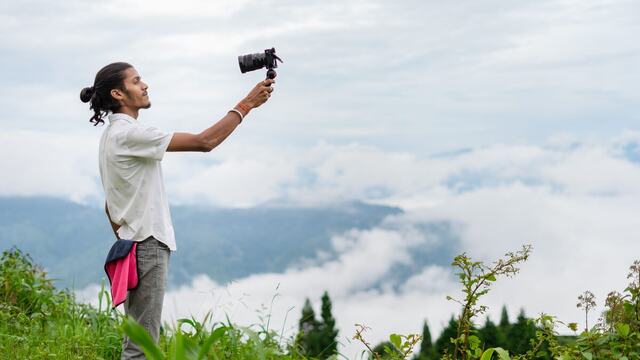
Point a camera at a mountain range at dawn and you capture something beautiful. Add the right music and you capture something a viewer feels in their chest. That is the strange power of a score. The footage shows the world as it is, but the music tells the audience how to feel about it, and the two together become an experience that neither could create alone. A silent timelapse of clouds rolling over a valley is pleasant. The same shot under a slow, rising string arrangement can make a person forget they are looking at a screen.
Most nature filmmakers reach a point where the footage is finished and the music becomes the problem. Stock libraries are expensive, the good tracks are overused, and matching a specific piece to a specific feeling can take hours of scrolling. AI music changes the approach entirely, because instead of searching for a track that almost fits, you describe the feeling you want and generate something built for your shot. This guide organizes that process by feeling, since the emotion of your footage, far more than its subject, decides what the music should do.
Sweeping, majestic landscapes
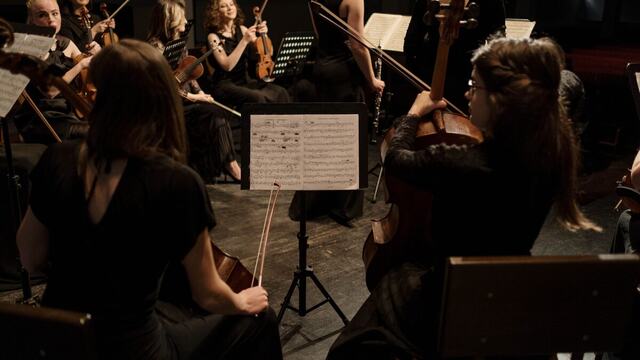
Wide aerial shots of mountains, canyons, coastlines, and vast open country ask for music that matches their scale. This is the grand, cinematic end of nature scoring, and it usually calls for orchestral forces: swelling strings, warm brass, a slow and deliberate build that grows as the camera reveals more of the world. The feeling you are after is awe, that sense of smallness a person feels standing at the edge of something enormous.
The key to majestic music is patience. A sweeping shot works because it takes its time, and the score should match that pace. Start sparse, with a single sustained line or a soft pad, and let the arrangement grow as the shot develops. When you write a prompt for this kind of track, ask for something cinematic and expansive, with strings, a slow tempo, and a gradual build toward a full, warm climax. Give the music room to breathe at the start so it has somewhere to go.
Dynamics matter more than melody here. A memorable tune can actually work against a landscape shot, because it draws attention to itself rather than serving the image. What you want is a sense of rising emotion, a swell that peaks as the camera crests a ridge or pulls back to reveal the full scale of a valley. Generate a few versions with different build times and pick the one whose peak lands where your footage wants it.
Instrumentation choices shape how a grand scene reads. Strings alone feel classic and warm, while adding brass pushes the mood toward triumph and adventure. A choir or wordless voices can make a landscape feel almost sacred, which suits mountains, deserts, and other places that carry a sense of age and stillness. Because you can generate several takes, it is worth trying the same shot with a few different palettes to see which one matches the character of the place rather than settling for the first grand-sounding option.
Calm, meditative scenes
Not every nature shot wants to overwhelm. A still lake at dawn, mist drifting through a forest, a slow river, or light moving across a quiet meadow all ask for the opposite of grandeur. These scenes want music that helps a viewer settle and simply be present. The goal is stillness, and the score should feel like breathing slowed down.
For calm footage, favor soft piano, gentle acoustic guitar, warm ambient pads, or delicate solo instruments with plenty of space around each note. Keep the tempo slow and the arrangement uncluttered. Rhythm should be minimal or absent, because a strong beat introduces urgency, and urgency is exactly what a meditative scene does not want. When you prompt for this kind of piece, ask for something peaceful, spacious, and unhurried, with soft instrumentation and no percussion.
The danger with calm music is that it becomes so quiet it disappears, which is fine, or so sentimental it turns sticky, which is not. Aim for genuine warmth without pushing the emotion too hard. A meditative scene trusts the viewer to feel something on their own, and the music is there to hold the door open, not to shove them through it. Generate several gentle options and choose the one that feels honest rather than the one that tugs hardest.
Wildlife and gentle wonder
Footage of animals carries a particular kind of charm, and the music that serves it best often has a sense of curiosity and playfulness woven through the wonder. A fox stepping carefully through snow, birds moving in the canopy, a family of otters at play: these moments invite a lighter, more inquisitive touch than a grand landscape does. The feeling is delight, tinged with tenderness.
Light woodwinds, pizzicato strings, soft mallet instruments, and gentle acoustic textures all suit wildlife scenes. The music can have a little more movement and character here, following the rhythm of the animal's behavior. A playful creature might get a bouncing, curious motif, while a mother and her young might call for something warmer and more protective. The point is to match the personality of the moment, letting the score smile along with the footage without turning cartoonish.
Pacing is worth watching closely with wildlife. Animals are unpredictable, and a shot can turn from stillness to sudden motion in an instant. Rather than trying to hit every movement, find music with a gentle underlying flow that supports the scene as a whole, and let the natural drama of the animal's behavior provide the surprises. Our guide to AI cinematic music goes further into scoring a scene by its emotional shape, which helps when a wildlife moment builds toward a small climax.
Dramatic weather and power
Nature is not always serene. Storms, crashing waves, avalanches, lightning, and roaring rivers show the world at its most powerful, and this footage wants music with weight and intensity. The feeling here is force, the reminder that nature is vast and indifferent and capable of overwhelming anything in its path. The score should carry tension, drive, and a sense of building threat.
Low strings, deep percussion, driving rhythms, and dark, dissonant textures all serve dramatic weather. The music can be dense and forceful in a way that would ruin a calm scene. Build tension through rising intensity, layering instruments and increasing the rhythmic pressure as a storm gathers. When you prompt for this kind of track, ask for something dark, powerful, and cinematic, with heavy percussion, low strings, and a sense of mounting force.
Restraint still has a role even in the biggest moments. A storm sequence that stays at maximum intensity from start to finish exhausts the viewer and flattens the drama. Give the music somewhere to build from and, if the footage allows, a moment of quiet before the full power hits. The contrast between a held breath and a sudden release is what makes dramatic footage land. A brief hush, then the storm, hits far harder than relentless noise.
Timelapse energy
Timelapse footage moves differently from everything else. Clouds race, shadows sweep across a landscape, stars wheel overhead, a city wakes and sleeps in seconds. This compression of time has its own rhythm, and the music that serves it usually needs more forward motion than a real-time nature scene. The feeling is momentum, the thrill of watching hours or days unfold in a breath.
Timelapse pairs well with a clear, steady pulse. Rhythmic electronic textures, arpeggiated synths, or driving acoustic patterns give the eye something to move with as the footage accelerates. The tempo can sit higher than you would use elsewhere, matching the quickened pace of the images. When you prompt for a timelapse track, ask for something with a steady, propulsive rhythm and a building sense of energy, since these sequences often grow more intense as they run.
The music can also help structure a timelapse. A sequence of several timelapse shots can feel like a montage, and a track with clear sections gives the edit natural points to change scenes. Cut to a new shot as the music shifts, and the sequence gains a sense of design rather than feeling like a loose string of clips. Generate a track with a bit of internal structure and let its changes guide your cuts.
Timelapse also rewards a sense of building. Many of the best sequences start slow, with a single held shot, and gather pace as more of the world speeds up. Music that mirrors this arc, opening gently and layering in energy as it goes, makes the whole sequence feel like it is going somewhere. A track that arrives at full intensity and stays there gives the eye nowhere to travel, while one that grows alongside the footage pulls the viewer forward through the compressed hours.
Letting nature's own sounds breathe
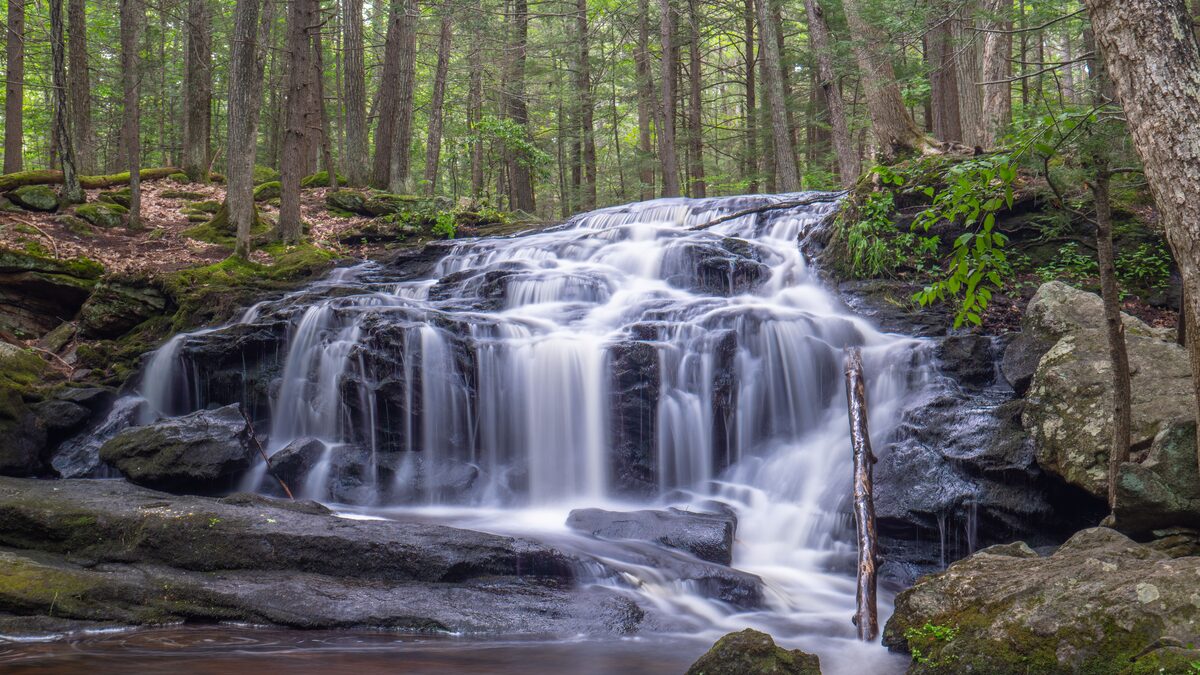
One of the most common mistakes in nature scoring is burying the location's own voice under music. The rush of a waterfall, birdsong at dawn, wind through grass, and waves on a shore are part of what makes nature footage feel real, and a wall-to-wall score can smother all of it. The best nature films treat music and natural sound as partners, letting each have moments to lead.
Consider building your sequences so the music rises and falls, leaving space where the location sound can carry the scene alone. A grand landscape might open under natural ambience, letting the wind and distant sound set the place before the music enters. A calm forest scene might drop the score entirely for a stretch, letting birdsong hold the moment, before the music returns for an emotional beat. When you generate tracks, keeping the arrangements uncluttered makes this easier, since sparse music leaves room in the mix for natural sound to sit alongside it rather than fighting for the same space.
This ebb and flow also keeps a longer film from feeling relentless. Music everywhere, all the time, numbs the audience, and its emotional moments lose their power when there is no quiet to set them against. Silence, or near-silence filled with the sounds of the place, is a tool as valuable as any track.
Copyright safety and using your tracks
A major reason filmmakers turn to AI music for nature videos is the question of rights. Footage bound for a channel, a festival, or a client needs a clear audio story, and using popular recordings without permission is a fast route to a takedown or a legal problem. Music you generate yourself is your own original audio rather than someone else's recording, which keeps you clear of the copyright claims that plague creators who borrow tracks they do not own.
That said, the exact rights you have depend on the tool you use and the plan you are on. Personal use of your own AI audio is generally straightforward, but if your nature video is commercial, made for a paying client, monetized on a platform, or sold as part of a product, the details matter. Read the terms of your AI music tool and confirm that your plan covers the kind of use you have in mind. The audio being your own original output is what keeps it copyright-safe in the first place, and the plan and terms decide what commercial rights come with it. Check once, keep a note, and move forward with confidence.
Downloading and organizing your music
Scoring a nature video means moving audio into an editing timeline, and for that you need the actual files. Working from a browser tab is not practical when you are cutting footage in editing software, syncing music to picture, and adjusting levels shot by shot. You want your tracks downloaded, named clearly, and organized so you can find the right piece when a scene calls for it.
Our free downloader handles that step. Once you have generated a track that fits a feeling in your footage, download it as a clean audio file and save it into your project. A little organization goes a long way here. Naming files by mood, such as majestic, calm, wildlife, storm, and timelapse, means that when you are deep in an edit and a shot needs a lift, you can reach for exactly the right kind of music without hunting. Build a small personal library of nature cues over time and each new project starts with a head start.
It also pays to keep the full-length versions of your tracks rather than only short clips. When you are cutting to picture, having the complete piece gives you room to choose where the music enters and exits, and to trim it to the exact length of a sequence. A cue that is a few seconds too short forces an awkward loop or a hard cut, while a longer file lets you fade out cleanly on the shot you want. Download the whole track, store it safely, and you keep every option open in the edit.
Bring your nature cues into the edit
Found a track that matches your footage? Download it as a clean audio file, name it by mood, and drop it straight into your editing timeline.
Open the free downloaderThe scenery is only half of a nature film. What turns a beautiful shot into a moment a viewer carries with them is the feeling the music adds, and matching that feeling to the footage is the whole craft. Score a sweeping landscape for awe, a quiet forest for stillness, a storm for force, and a timelapse for momentum, and let the natural sounds of each place breathe alongside the music. Because you are making the audio yourself, you can tune every cue to the exact emotion of the shot, keep your work copyright-safe, and download clean files ready for the timeline. Describe the feeling, generate the music, and let scenery become experience.