 Suno Downloader AI
AI music for real estate videos: score every listing
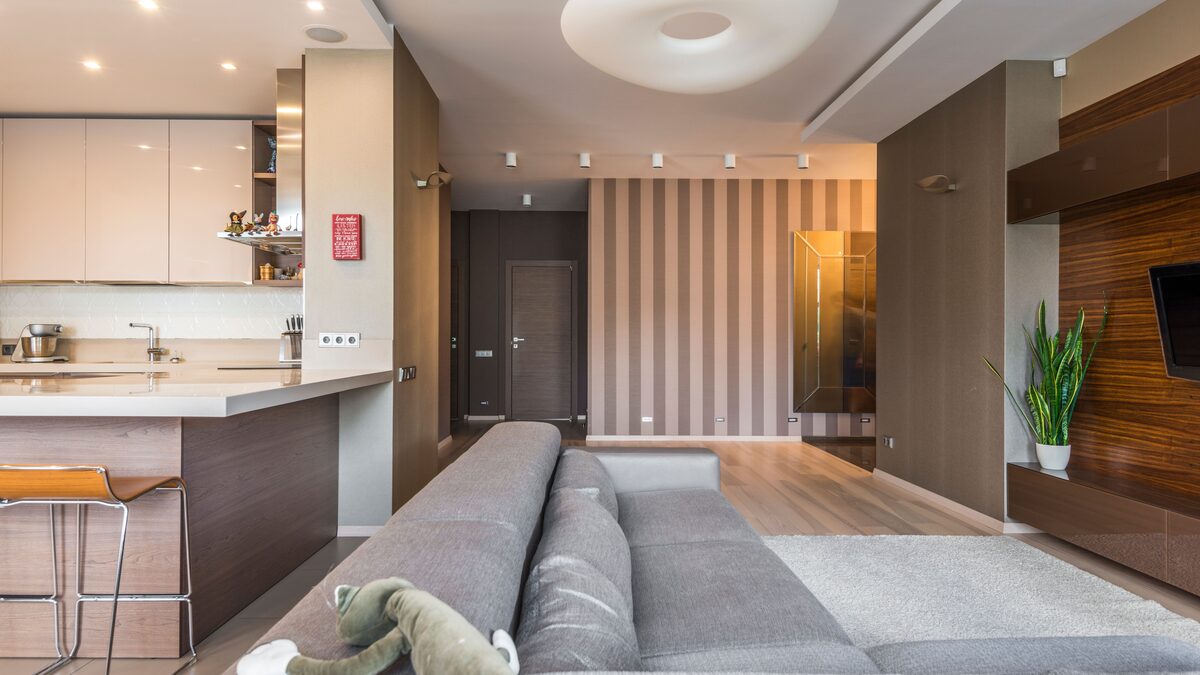
The music under a property tour is not background. It is the first thing a buyer feels before they process a single square foot. The right score tells them, within a few seconds, whether they are looking at a calm family home, a sharp downtown investment, or a once-in-a-decade estate. Get it right and the video feels considered and premium. Get it wrong and even a beautiful home looks like a cheap flyer. Music is one of the least expensive parts of a listing video and one of the most powerful.
There is also a hard business reason to take this seriously. Using a chart song in a listing is a licensing problem waiting to happen. Popular music is not cleared for commercial use just because you can add it in an app, and a real estate video is commercial by definition. That exposes you to muted audio, taken-down posts, and in the worst cases a rights claim against your brokerage. A muted walkthrough on the day a listing goes live is a real cost, not a hypothetical one.
AI music tools like Suno solve both problems at once. You describe the property and the feeling you want, and you get an original, cleared track back in about a minute. No hunting through stock libraries, no per-track fees, no worrying that the song will be pulled next month. This guide is organized by property type, because a luxury estate and a fast condo reel want very different scores. For each one you get the mood and a Suno prompt you can paste in and adjust. Here are the property types covered:
- Luxury home
- Cozy family house
- Modern condo
- Rural property and land
- Commercial space
- Fast walkthrough reel
Luxury home
A high-end listing has to feel like an event. The buyer should sense the ceiling height and the quality of the finishes before the agent says a word. That calls for a cinematic, elegant score with real weight to it. Cheap or generic music on a luxury tour undercuts the whole pitch, because the audio quietly tells the viewer the property is not as special as the pictures suggest.
Aim for elegant and cinematic, slow to mid tempo around 70 to 90 BPM. Think lush strings, a grand piano, soft swelling brass, and a sense of space and patience. The track should breathe and build gently, matching slow camera moves through wide rooms. You want restraint and class, not drama for its own sake. The feeling is quiet confidence.
Try this prompt: "Elegant cinematic score for a luxury property, lush warm strings, grand piano, soft swelling brass underneath, slow and patient around 80 BPM, sophisticated and refined, gentle emotional build, no vocals, spacious and premium." The word "patient" keeps the model from rushing, which matters when your footage is slow glides through large rooms. Let the swell land on your best exterior or the primary suite reveal.
For a luxury film, consider generating two related pieces: a quieter version for the interior tour and a fuller, more dramatic version for the exterior and any aerial shots. Cutting between the two gives the video a sense of arc, so it opens grand outside, settles into something intimate as you move through the rooms, and lifts again for the final wide shot. That kind of structure is what makes a high-end listing feel like a short film rather than a walkthrough, and it costs you nothing but a second prompt.
Cozy family house
A family home sells on a feeling of warmth. The buyer is imagining Sunday mornings in the kitchen and kids in the yard, and the music should support that daydream. This is not the place for cool or clinical audio. You want something that feels like home, that makes the viewer relax and picture their own life inside the walls.
Go warm and uplifting, mid tempo around 95 to 110 BPM. Acoustic guitar, soft piano, light hand percussion, and a gentle, hopeful melody. Nothing heavy, nothing moody. The mood is a bright, welcoming afternoon. A little forward motion in the rhythm keeps the tour feeling alive as you move room to room, without ever getting pushy about it.
Try this prompt: "Warm uplifting acoustic track for a family home, gentle acoustic guitar and soft piano, light hand percussion, hopeful and welcoming, mid tempo around 100 BPM, bright and homey, no vocals, comfortable and inviting." The word "welcoming" pushes the arrangement toward that open, friendly feel buyers respond to. Keep the volume soft so the mood registers without competing with any voiceover about the schools or the yard.
Modern condo
A downtown condo or a new-build unit sells on lifestyle and design. The buyer is often younger, values clean lines, and wants to feel current. The music should match that: sleek, minimal, and a little energetic, the audio equivalent of matte black fixtures and floor-to-ceiling glass. Warm acoustic music would fight the aesthetic here.
Aim for clean minimal electronic, around 100 to 115 BPM. A soft four-on-the-floor pulse, tasteful synths, a light and airy top end, and plenty of space in the mix. You are going for polished and contemporary, not a club track. The beat should feel like forward momentum for a quick, confident tour of a compact, well-designed space.
Try this prompt: "Clean minimal electronic track for a modern condo, soft steady four-on-the-floor beat around 108 BPM, tasteful bright synths, airy and spacious, polished and contemporary, calm confident energy, no vocals, uncluttered." The instruction to stay "uncluttered" keeps the mix from getting busy, which suits the clean look of the property. This style also loops cleanly if your walkthrough runs long.
Rural property and land
Land and rural listings sell on openness and possibility. Wide fields, a tree line, a long driveway, big sky. The music should feel just as open, with room to breathe and a natural, unforced quality. Anything too polished or electronic works against the setting. You want the audio to feel like the outdoors sounds: spacious and honest.
Go open and acoustic, slow to mid tempo around 80 to 95 BPM. Fingerpicked acoustic guitar, maybe a soft slide or a light banjo, gentle strings for width, and a warm, grounded low end. The mood is peaceful and expansive, a little wistful, the feeling of standing on your own acres at dusk. Keep it simple so it matches the honesty of the land.
Try this prompt: "Open acoustic track for rural land, fingerpicked acoustic guitar, soft slide guitar, gentle strings for width, warm and grounded, peaceful and expansive, slow to mid tempo around 88 BPM, natural and honest, no vocals." The word "expansive" helps the model leave space in the arrangement, which matches wide drone shots and long horizontal pans across the property. Let quieter moments sit under your widest views.
Commercial space
A commercial listing speaks to a different buyer with a different question: will this location make me money. The music should feel confident, competent, and professional, the sound of a business that works. This is not about emotion or lifestyle. It is about signaling that the space is a serious, credible opportunity. Corporate does not have to mean boring, but it should mean steady.
Aim for confident corporate, mid tempo around 100 to 120 BPM. A steady beat, clean electric piano or muted guitar, tasteful synth pads, and a driving but controlled energy. Think the music behind a strong company overview: forward-moving, optimistic, and organized. No wild dynamics, just a reliable, upbeat pulse that says this is a smart place to do business.
Try this prompt: "Confident corporate track for a commercial property, steady beat around 110 BPM, clean electric piano, tasteful synth pads, subtle driving bass, professional and optimistic, controlled and organized energy, no vocals, credible and forward-moving." The words "controlled" and "organized" keep the track from getting flashy, which suits a serious business audience. This kind of bed also sits well under a voiceover walking through square footage, zoning, and foot traffic.
Fast walkthrough reel
The quick vertical reel is now a standard part of every listing. Thirty seconds, fast cuts, one strong hook, made for a phone feed. It has to grab attention in the first second and keep the pace up, because viewers scroll fast and a slow reel loses them before the front door. This is the one property video where energy beats elegance.
Go upbeat and punchy, around 115 to 128 BPM, with a strong hook right at the top and a clear beat you can cut to. Modern pop or light electronic textures work well. You want something bright and current that makes a quick tour feel exciting. Save the slow, cinematic feel for the long-form video and let the reel move.
Try this prompt: "Upbeat reel track for a fast property walkthrough, 122 BPM, bright and punchy, strong hook in the first two seconds, clear beat for quick cuts, modern and energetic, positive and exciting, no vocals." Asking for the hook up front matters, because you want to open on impact and sync your first cut to it. Trim any quiet intro so the reel starts on the good part and every room change lands on a beat.
Matching music length to the edit
A common mistake is scoring the music first and forcing the edit to fit it. Do it the other way around. Cut your tour to the length the property deserves, then shape the music to that runtime. A luxury estate might earn a three-minute film. A condo reel might be twenty-five seconds. The score should fill exactly that, with a clear beginning, a peak, and a clean ending.
When you generate a track, aim a little longer than your edit so you have room to trim. Then find the natural landing points in the music, the ends of phrases where a chord resolves, and cut there so the track finishes cleanly instead of getting chopped off mid-note. A hard cut on the audio at the end of a tour sounds like a mistake, and buyers notice even if they cannot say why.
Line up the emotional peak of the music with the emotional peak of the property. That is usually the kitchen, the primary suite, or the best view. If the swell in your luxury score arrives before you reach the reveal, nudge the audio later so the music blooms exactly as the room opens up on screen. The score serves the tour, so bend it to the footage.
Pay attention to how the track fades out at the very end of the video too. A tour that ends with the music simply stopping feels abrupt, and it can leave the buyer with a flat last impression right when you want them to feel good about the property. Add a short fade over the final couple of seconds so the score settles gently under your closing shot, whether that is the address, your contact card, or a last wide view of the home. That soft landing is a small touch that makes the whole piece feel finished and professional.
Keeping it subtle under a voiceover
Many listing videos have you or an agent talking over the footage, walking the buyer through features. The moment there is a voice, the music has to step back. Speech and music compete for the same attention, and if the track is too loud, viewers strain to hear the details that actually sell the home. The music is there to set a mood under the words, not to share the spotlight.
The practical fix is simple. Drop the music to roughly 15 to 20 percent of full volume whenever a voiceover is playing, and bring it back up in the gaps between sentences or during pure b-roll. Most editors let you draw volume keyframes on the audio track so the music ducks under speech and lifts in the silences. That gentle rise and fall keeps the video feeling scored without ever burying the message.
Choosing the right track helps too. For voiceover-heavy videos, pick a calmer, less busy piece with no sudden dynamics or bright melodic hooks that pull focus. A steady, warm bed is far easier to talk over than a track with a big melody fighting your voice. When in doubt, less is more under speech.
Ready to score your listing?
Paste your Suno link, choose MP3 or WAV, download. Free, no sign up.
Open the free downloaderAvoiding copyright strikes by making your own
This is where original music pays for itself. A real estate video is a commercial product used to sell a property, and platforms treat it that way. Popular songs added through an app's music feature are cleared for personal posts, not for marketing a listing. When the system flags a commercial video using a licensed track, the audio gets muted, the post can be taken down, and repeated claims can put your whole account or page at risk right when you need it working.
Music you make yourself removes that risk completely. The track came from your prompt, so there is no outside rights holder who can file a claim against it. Your listing videos stay live and audible across every platform, in every region, for as long as the listing runs and long after in your portfolio and reels. For an agent or a brokerage, that reliability protects both the marketing and the reputation behind it.
There is a branding benefit too. Reuse a signature style across your listings and buyers start to recognize your videos before they see your name. A consistent sound turns a scattered set of tours into a recognizable body of work, which is exactly what you want when a seller is deciding who to trust with their home.
Downloading in good quality for the editor
To cut music against your footage, you need the audio as a real file on your computer, not a track locked inside the app that made it. Every video editor, from a simple mobile app to a desktop suite, imports audio files, so the first step is always to download your Suno track as an MP3 or a WAV. Without the file on your machine, there is nothing to place on the timeline.
For real estate work, quality is worth a moment's thought. MP3 at a high bitrate is fine for social reels and quick walkthroughs that live on a phone screen. For a premium listing film, a full-screen presentation, or anything you will process and mix carefully, download the WAV. WAV keeps the full audio detail, which matters when you are ducking music under a voiceover and want the mix to stay clean and clear rather than muddy.
Grab your track with the free downloader. Paste your Suno link, choose MP3 or WAV, and download. There is no sign up and no cost. Once the file is on your computer, import it into your editor, lay it under your footage, set your volume levels, and match the peaks to your best rooms. Export, and your listing goes out with an original score that fits the property and will never be muted.
Build a small library by property type as you go. Save an elegant estate score, a warm family-home track, a clean condo bed, and a punchy reel hook, and every new listing gets faster to score. Instead of starting from nothing each time, you reach for a sound you already own and trust. Over a full season of listings, that library saves you real hours and gives every video you publish a consistent, professional feel that sellers and buyers both notice.