 Suno Downloader AI
AI music for restaurants: set the mood, skip the fees
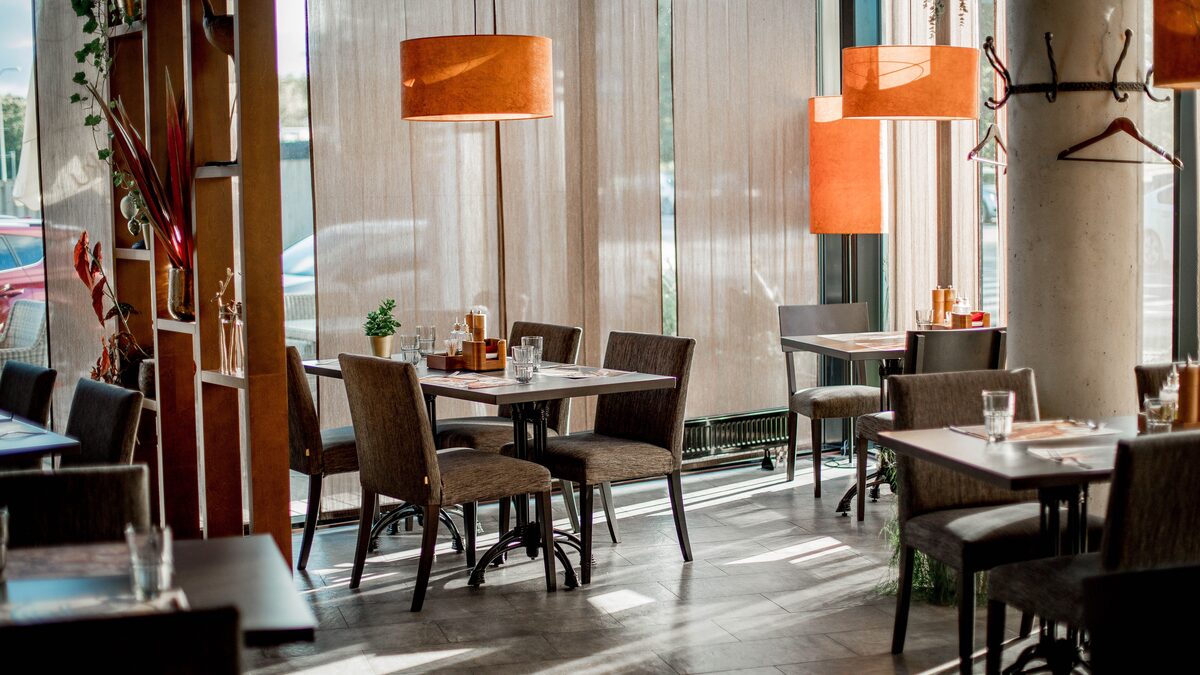
Walk into two restaurants serving the same food at the same price, and the one with the right music will feel better. Diners will linger, order another glass, and remember the evening as pleasant without ever being able to say why. Music does that quietly. It sets the pace people eat at, the volume they talk at, and the mood they carry out the door. It is one of the cheapest tools you have for shaping the experience, and one of the most overlooked.
The catch has always been the music itself. Playing commercial songs, the ones people know from the radio, in a business open to the public is a licensing matter, and it can mean paying performance rights fees to the organizations that collect on behalf of songwriters and labels. Streaming from a personal Spotify or Apple Music account does not cover you, and the consumer terms of those services generally forbid business use. AI music tools change the math here, because you can generate original tracks that fit your rooms exactly and sidestep the whole commercial catalog. This guide walks through what to play by venue type and time of day, then covers the licensing angle, volume, and getting the files to play reliably through your system.
Fine dining: soft jazz and piano
An upscale dining room wants music that is present but nearly invisible. The goal is a cushion of sound that fills the space between conversations and the clink of cutlery, without ever asking to be noticed. Soft jazz and solo piano are the classics here for good reason. They are harmonically rich enough to feel sophisticated, but they have no insistent beat pulling at people's attention or making them eat faster than they should in a room built for slow, expensive meals.
When you generate tracks for a fine dining room, ask the AI for instrumental music only. Vocals compete with conversation, and in a quiet, refined space a sung lyric can feel intrusive. Prompts built around "soft solo piano, slow and elegant, sparse and intimate" or "mellow jazz trio, brushed drums, upright bass, warm and unhurried" give you the right texture. Keep the tempo slow and the dynamics gentle, with no sudden loud passages that would make a diner look up mid sentence. Generate a good number of these, because a fine dining service runs long and you do not want a small loop that regulars start to recognize.
Consistency across the set matters as much as any single track. In a refined room, the worst thing the music can do is call attention to itself, and a track that is noticeably brighter, faster, or louder than the ones around it does exactly that. When you build your fine dining pool, listen to the tracks back to back and cut any that stick out, even if you like them on their own. What you want is a smooth, even wash of sound where one track flows into the next without the room ever registering a change. It is worth generating more than you plan to use and keeping only the ones that blend, because in this setting the music succeeds precisely by being forgettable in the best way.
Casual cafe: warm acoustic and lo-fi
A daytime cafe is a different animal. People are working on laptops, meeting a friend, reading, grabbing a quick lunch. The music should feel warm and human and a little cozy, the audio equivalent of a comfortable chair. Warm acoustic guitar, gentle folk, and lo-fi beats all live in this space. Lo-fi in particular has become a cafe staple because it is relaxed and steady without being sleepy, and the soft crackle and mellow keys give a room an easy, unpretentious feel.
Here you have a little more freedom with light vocals, since a cafe is a more casual, chatty environment than a fine dining room, but keep them soft and in the background. Ask for "warm acoustic folk, gentle and easygoing, mid tempo" or "chill lo-fi hip hop, mellow keys, soft vinyl crackle, relaxed." The music should support the daytime activities in the room, calm enough for a working laptop crowd, warm enough that a pair of friends feels like staying for a second coffee. You want people comfortable enough to linger a little, because a lingering cafe crowd tends to order again.
A cafe is also a place where the music becomes part of your identity over time. Regulars come to associate the sound of the room with the experience of being there, and a consistent, well chosen musical mood quietly becomes part of why they keep coming back. This is an argument for building a large, cohesive pool of cafe tracks that all live in the same warm, easygoing world rather than a scattered mix that jumps between styles. Pick a lane, whether that is acoustic folk or lo-fi or a blend of the two, and stay in it, so your room develops a recognizable feel. The AI makes this easy, because you can keep generating fresh tracks within the same style description and steadily grow a deep, consistent library that never runs dry and never wanders off tone.
Busy lunch rush: upbeat but unobtrusive
The lunch rush has a specific job for music, and it is almost the opposite of the fine dining room. At midday you often want a gentle nudge toward energy and turnover. Tables are needed, the kitchen is moving fast, and a slightly brighter, faster soundtrack keeps the room feeling alive and helps the pace without anyone consciously noticing they are being hurried along.
The trick is "upbeat but unobtrusive," which sounds like a contradiction until you hear it done well. You want a steady, positive rhythm that lifts the energy, but nothing so loud or attention grabbing that people have to raise their voices or feel rushed out the door. Ask for "upbeat acoustic pop, bright and friendly, mid to fast tempo, light" or "feel good instrumental groove, positive and warm, steady rhythm." Keep it instrumental or very light on vocals so it does not intrude on quick business lunches and conversations. The energy should sit underneath the room, moving things along without ever shoving.
Evening bar: groovy and lounge
Once the sun goes down and the bar fills up, the mood shifts toward relaxed sociability with a bit of groove. Evening drinkers are settling in, unwinding, talking, flirting, staying a while. The music can have more character now, a little more rhythm and warmth, the kind of lounge and groove sound that makes a space feel like somewhere you want to have another round. Think warm electric keys, a soft groove, a downtempo pulse that gives the room a heartbeat without turning it into a dance floor.
This is where you can lean into a richer, more atmospheric sound. Prompts like "downtempo lounge groove, warm Rhodes keys, smooth bassline, late night feel" or "soulful nu-jazz, laid back groove, mellow and stylish" set the tone. A touch of vocal is fine here if it suits your crowd, but keep it smooth and unhurried rather than punchy. As the night goes on you can let the energy rise gradually, matching the room, so the same bar feels calm at six and warmly buzzing at ten, all steered by how the music builds.
Brunch: bright and happy
Brunch has its own personality, sunny and social and a little indulgent. Weekend late mornings call for music that feels bright, warm, and happy, the sound of a good mood. This is the one daypart where a bit more brightness and bounce is exactly right, since brunch crowds are relaxed, chatty, often lingering over coffee and a second plate, in no rush and glad to be out.
Ask the AI for "bright feel good acoustic pop, sunny and warm, cheerful mid tempo" or "happy indie folk, light and breezy, uplifting." Light vocals work nicely at brunch because the mood is social and easygoing rather than hushed. The music should feel like sunshine through a window, upbeat without being frantic, the kind of sound that makes a table of friends decide to order one more round of mimosas and stay another half hour. Brunch is a good place to let a little joy into the room, because the crowd is already there to enjoy themselves.
One thing to watch at brunch is the pull between energy and comfort. You want the room to feel happy and alive, but brunch guests are also there to linger, and music that tips into genuinely high energy can start to feel like a nudge toward the door. Keep it bright but relaxed, sunny rather than pumped up, so the mood stays warm without rushing anyone. If your brunch runs into the early afternoon, you can let the music ease down gradually as the peak passes, sliding from the cheerful morning sound toward the mellower afternoon feel so the room settles naturally instead of staying at full brightness into a quiet stretch.
Building looping playlists per daypart
Once you have tracks for each part of your day, the real work is arranging them into playlists that run themselves. The goal is a set of loops long enough that neither your staff nor your regulars start noticing the same songs coming around. A playlist of eight or ten tracks will loop every half hour or so and quickly gets stale to anyone who spends real time in the room. Aim much higher. A few hours of music per daypart means the loop is long enough to feel like an endless, varied stream rather than a short tape on repeat.
Group your playlists by daypart so the sound tracks the rhythm of the business. Here is a simple frame for the shift in feel across a day:
- Morning cafe: warm acoustic and lo-fi, calm and cozy
- Lunch rush: upbeat but unobtrusive, bright and moving
- Afternoon lull: mellow and easy, low energy
- Brunch (weekends): sunny, happy, a little more bounce
- Dinner: soft jazz or gentle instrumental, refined and slow
- Evening bar: groovy lounge, warm and social, rising energy
Set each playlist to shuffle so the order varies every day and the loop never feels mechanical. Build a little more music than you think you need for each daypart, because the extra padding is what keeps a long dinner service or a slow Sunday from cycling back to a track a regular heard an hour ago. Over time you can quietly swap in new tracks and retire ones you have tired of, keeping the room's sound fresh without anyone noticing the machinery behind it.
The licensing angle
Here is the practical reason a lot of restaurant owners look at AI music in the first place. Playing well known commercial recordings in a public business generally means paying performance rights fees to the organizations that license music on behalf of songwriters, composers, and publishers. Those fees are real, they recur, and they are calculated on things like your square footage and how you use music. Streaming from a normal personal account does not cover you, and the consumer terms of those services typically prohibit commercial use outright, so the fact that you pay for the app personally does not make it legal for the dining room.
When you generate your own original music, you are not playing anyone else's copyrighted commercial recording, which sidesteps the reason those particular performance rights fees exist in the first place. You are playing music made for your business, not a catalog of famous songs administered by a rights organization. That is the core of why AI music appeals to venue owners: you get a room full of pleasant, mood matched sound without pulling from the commercial catalog that triggers those fees.
That said, do not treat this article as legal advice, and check local rules. Music licensing law varies by country and sometimes by region, the terms of any AI music tool you use matter, and your specific situation may have wrinkles this general guide cannot see. Read the terms of the tool you generate with to understand what commercial use it permits, and if you have any doubt about your obligations, confirm with someone who knows the rules where you operate. The point here is that original AI music removes the commercial catalog from the equation, not that it removes every possible consideration.
Ready to save your restaurant playlist?
Paste your Suno link, choose MP3 or WAV, download. Free, no sign up.
Open the free downloaderKeeping the volume right
The best playlist in the world gets ruined by bad volume, and this is where a lot of rooms go wrong. Too loud and people strain to talk, tire faster, and leave sooner. Too quiet and the music does no work at all, leaving awkward silence and the sound of other people's cutlery. The right level is the one where a table can talk in a normal, relaxed voice while still clearly feeling the music underneath the conversation.
Volume should shift with the daypart and the crowd. A quiet weekday lunch needs less than a packed Friday dinner, because a full room absorbs sound and raises its own noise floor, so music that felt right at five will vanish under the chatter at eight. Walk your own floor at different times, stand where your guests sit, and listen from their seats rather than from behind the bar. Adjust as the room fills and empties. Consistency matters too: keep individual tracks at similar loudness so the room does not lurch from a whisper quiet song into a loud one, which yanks people out of their conversations every few minutes.
It is worth training your staff on this rather than leaving it to whoever happens to be near the volume knob. Give them a simple rule of thumb, that a guest at a table should be able to talk comfortably without leaning in, and let them nudge the level up as the room fills and down as it empties. A short note by the controls saying what the volume should feel like at a full house versus a quiet one keeps the sound steady across shifts and staff, so the room always feels the way you tuned it rather than the way the last person to touch the dial left it.
Downloading files to play offline
The last piece is making sure the music actually plays, every shift, without depending on the internet. A restaurant cannot afford dead air because the Wi-Fi dropped or a streaming service is having an outage, and it will always happen on your busiest night. The reliable answer is to hold the actual audio files locally and play them off a device that does not need a connection.
Once your tracks are generated, run them through a free downloader to save each one as an MP3 or WAV file. MP3 is the sensible default for a venue: small files, universal playback on any phone, tablet, laptop, or media player, and quality that is more than good enough once it is coming through a room's speakers over the noise of a dinner service. WAV gives you uncompressed, highest fidelity audio if you are running through a high end sound system and want every bit of quality, at the cost of much larger files. For most restaurants, MP3 across the board is the practical choice.
Load your downloaded daypart playlists onto a dedicated device, a spare tablet or an old phone works well, and plug that into your sound system. Because the files live on the device, the music plays whether or not the internet is up, whether or not a streaming service is down, with no ads, no logouts, and no surprises. Set the device to airplane mode and run a playlist through once to confirm everything plays offline, then keep a backup copy of your files somewhere safe so a lost or broken device never means a silent room. Set it up once, and your restaurant has a full day's worth of original, mood matched, fee free music that just runs, shift after shift, exactly the way you tuned it.


