 Suno Downloader AI
AI proposal song: plan the perfect moment to propose

You get one shot at this. However relaxed you want the proposal to feel, the truth underneath is that you have imagined this moment for a while, and you want it to be right, because you will both remember it for the rest of your lives and probably tell the story a hundred times. That pressure is exactly why a song made for the moment is such a good idea, and also why it deserves a plan. A great AI proposal song can carry the emotion you might be too nervous to speak, fill a silence that would otherwise be terrifying, and mark the exact second everything changed. But a song you throw together an hour before, or fumble to find on a bad signal, can do the opposite. So treat this as a plan, in order, and by the end you will have a track that fits the moment and nerves that are a little steadier for knowing it is handled.
The good news is that none of this is hard, and you do not need to be a musician to do any of it. You need to make a few decisions in the right sequence, write your story into the lyrics, and make sure the file is ready when the moment comes. Work through these steps and the music will be the part you do not have to worry about.
Decide where the song fits in the moment
Before you write a word, decide what job the song is doing, because everything else follows from that. There are a few common shapes. Some people play the song in the moments just before they ask, letting it tell the story of the relationship and build toward the question, so the music sets the scene and they step in at the end. Others save it for right after the yes, as the first song of the newly engaged couple, a release of all that tension into joy. A few use it as the whole setup, hiding the question inside the final lyrics so the song itself pops the question. Each of these needs a slightly different song, so choose the moment first. Picture the setting too, the quiet beach, the living room, the spot where you had your first date, because where you are shapes how loud, how long, and how private the song needs to be. Decide the moment, and you have decided almost everything else.
It is worth thinking about who else is there, too, because that shapes the song as much as the setting. A private proposal for just the two of you can carry a slow, intimate song that would feel too exposed in front of a crowd, while a proposal with family hidden nearby or friends waiting to celebrate can handle something bigger and more joyful. If you are recording the moment, or having someone film it, decide whether the song plays out loud in the video or lives quietly in your earbud as a cue. All of this comes back to the same first decision, what the song is for, and once you have named that clearly, the writing and the style choices stop being guesswork and start being obvious.
Write your story into it
Now pour your relationship into the lyrics, because the specifics are what will make them cry rather than just smile. Gather the real material first: their name, where you met, the trip you never stop talking about, the small thing they do that you fell for, the future you picture together. Then build the verses out of those true moments, because "the night we got lost in Lisbon and did not care" lands infinitely harder than "we have had so many good times." You have two routes and the best mixes them. Write the words yourself for full control, or hand the AI their name, your story in a few lines, and the mood, and let it draft verses and a chorus you then edit. The sweet spot is to let the tool shape the structure, then replace the key lines with your own real words, so the most personal moments are genuinely yours. Put their name in the chorus so it repeats, and if you are building toward the question, let the last verse lean toward it. This is where the song earns its power, so give it your true story.
If you decide the song itself will ask the question, give that ending real care, because it is the line everything builds toward. You do not have to spell out "will you marry me" in the lyrics, though some people love that, and it works. You can also lead right up to it and then pause the song and speak the words yourself, letting the music set the emotional stage and your own voice finish the sentence. Whichever you choose, write the final verse knowing where it lands, so the song narrows from your shared story toward this one moment rather than wandering off. Read your draft lyrics out loud before you commit, because words that look fine on a screen can feel clumsy sung, and this is the one song where every line is worth getting right. If you want more help shaping verses that carry weight, the same principles in our writing guides apply, but for a proposal the rule is simply this: true, specific, and pointed at the two of you.
Choose a style that fits the two of you
The right sound is the one that feels like your relationship, not the one that sounds most impressive, so choose it with the two of you in mind. A tender acoustic ballad suits a deep, quiet love and keeps the focus on the words. A warm mid tempo song works if you want something with a little lift and joy. If you both have a genre you love, or a song that has meant something across your years together, lean toward that sound so it feels familiar and true. Think about the setting as well, since a big cinematic arrangement can overwhelm a small, intimate room, while a gentle acoustic piece might get lost outdoors near the waves. When you write your prompt, name the genre and a warm, heartfelt, emotional mood, and let the tool build the right feeling around your words. The music should sound like it belongs to you two and no one else, so trust what fits your relationship over what sounds grand.
Test it out loud and time it
Here is the step people skip and later wish they had not: listen to the song properly, out loud, before the day. Generate several versions rather than settling for the first, because each take gives you a different singer and melody, and one will move you in a way the others do not. Then play the front-runner on the actual speaker you plan to use, at the volume you will use, in something like the real setting, because a track that sounds perfect in your headphones can feel thin on a phone speaker on a windy beach. Time it, too. Know exactly how long it runs and where the emotional peak lands, so you can plan whether you ask during the song, at the end, or after it fades. If you mean to speak over an intro or drop to one knee at a certain line, rehearse against the actual timing. This is the moment to catch anything that does not work, while you still have time to regenerate or pick another take.
This is also the moment to have one other person hear it, if you can trust someone to keep the secret. Nerves and love make it hard to judge your own song clearly, and a friend or family member who knows your partner can tell you whether it lands or whether a line falls flat. They can also help with the logistics later, cueing the music while you focus on the words, so bringing one trusted person in now often pays off twice. If you would rather keep it entirely to yourself, sleep on it and listen again the next morning with fresh ears, since a take that felt perfect in a late-night flush of emotion sometimes reads differently in daylight. Whatever you do, do not let the first version you generate be the only one you consider, because the difference between a good proposal song and the right one is usually a few more takes and one honest listen.
Found the take that gives you chills?
Paste your Suno link, choose MP3 or WAV, and download it so it is on your device and ready. Free, no account.
Open the free downloaderPay attention to the arrangement of the take as well, not just the mood. A song that opens with thirty seconds of quiet build gives you room to walk into position or start speaking, while one that hits its full sound immediately leaves no runway. Notice where the chorus lands and where the biggest emotional swell arrives, because those are natural places to time a knee drop, a ring, or the question itself. If the take you love is close but a little long, you can generate a shorter version or plan to fade it, and if it feels rushed, look for one with more space. None of this needs to be exact to the second, but knowing the shape of the song means the moment and the music rise together instead of fighting each other. Spend ten minutes here and you remove the single most common way these plans wobble, which is a great song arriving at the wrong time.
Have it cued and backed up
The worst thing that can happen on the day is a spinning loading icon at the exact wrong second, and this step makes sure it never does. Once you have the version you love, download it so the song lives on your device as a real file, not a link you have to stream, because relying on a signal in the moment is a gamble you do not need to take. The free downloader turns your Suno link into a clean MP3 or WAV with no account, so your track is saved in seconds. Take the WAV if you want the best quality for playing it out loud, or the MP3 for easy handling. Then get it cued and safe: put the file on your phone, load it into your music app ready to press play, and keep a backup copy somewhere else, a second device or a partner in on the plan, so a dead battery cannot ruin it. Test the speaker or headphones you will use one more time. When the file is downloaded, cued, and backed up, the technology disappears and you are free to just be present for the moment itself.
Steady your nerves on the day
With the song written, chosen, tested, downloaded, and backed up, you have done the part that was in your control, and that is worth remembering when the nerves arrive. Run through the sequence once in your head the morning of: where the song fits, when you press play, what you plan to say. Then let it go, because you have rehearsed the mechanics precisely so you do not have to think about them in the moment. If your hands shake and you lose your words, the song is there to carry the feeling, which is half of why you made it. Keep your phone charged, your backup ready, and the volume set the night before so you are not fumbling with settings. And give yourself permission for it to be imperfect, since the person saying yes is not grading your production, they are looking at you. The preparation is not about making the moment flawless, it is about clearing away the small failures that could distract from it, so that when it matters you are fully present. A little planning buys you a lot of calm, and calm is what lets the moment be what it should be.
After the yes
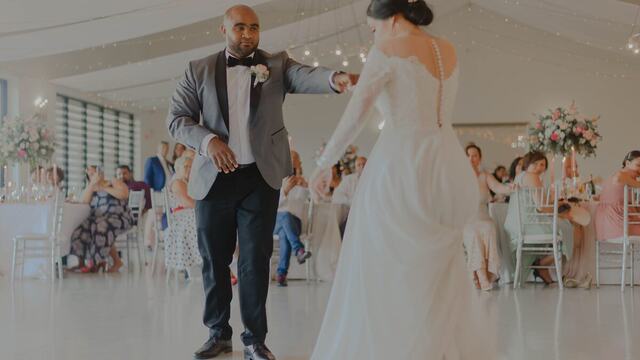
Once they say yes, the song does not retire, it becomes a keepsake, and it is worth thinking ahead about that too. This track is now part of your story, the song from the day you got engaged, and you will want it long after. Because you downloaded it, you already have the file to keep forever, to play at the engagement party, to build into your wedding, or to set under a video of the moment if someone captured it. Many couples carry the proposal song into the wedding itself, as a first dance or a thread that ties the two days together. You might set it under a slideshow of your photos and turn it into a keepsake video that tells the whole story. One thing worth keeping in mind for anything you share publicly: make an original song rather than copying a specific famous track or imitating a particular artist's voice, since that can cause rights problems, and a song from your own story is more meaningful than any cover anyway. If the wedding is next on your mind, our guide to the AI wedding song picks up right where this leaves off. Plan it well, and the song you made for the question becomes the soundtrack to everything that comes after the yes.
Look back at the plan for a second, because the shape of it is the reassuring part. You decided where the song fits, wrote your true story into it, chose a style that sounds like the two of you, tested it out loud and timed it, and got it cued and safely backed up. Each step removed one thing that could go wrong, so by the time the day arrives there is very little left to chance and a great deal already in your favor. That is the whole point of treating something this emotional as a plan. Not to make it stiff or scripted, but to clear away the small worries so you can be fully in the moment when it counts. Do the preparation, trust it, and let the song carry the feeling you have been holding. The rest is just you, them, and a question you already know the answer to.