 Suno Downloader AI
How to make an AI ska song with Suno
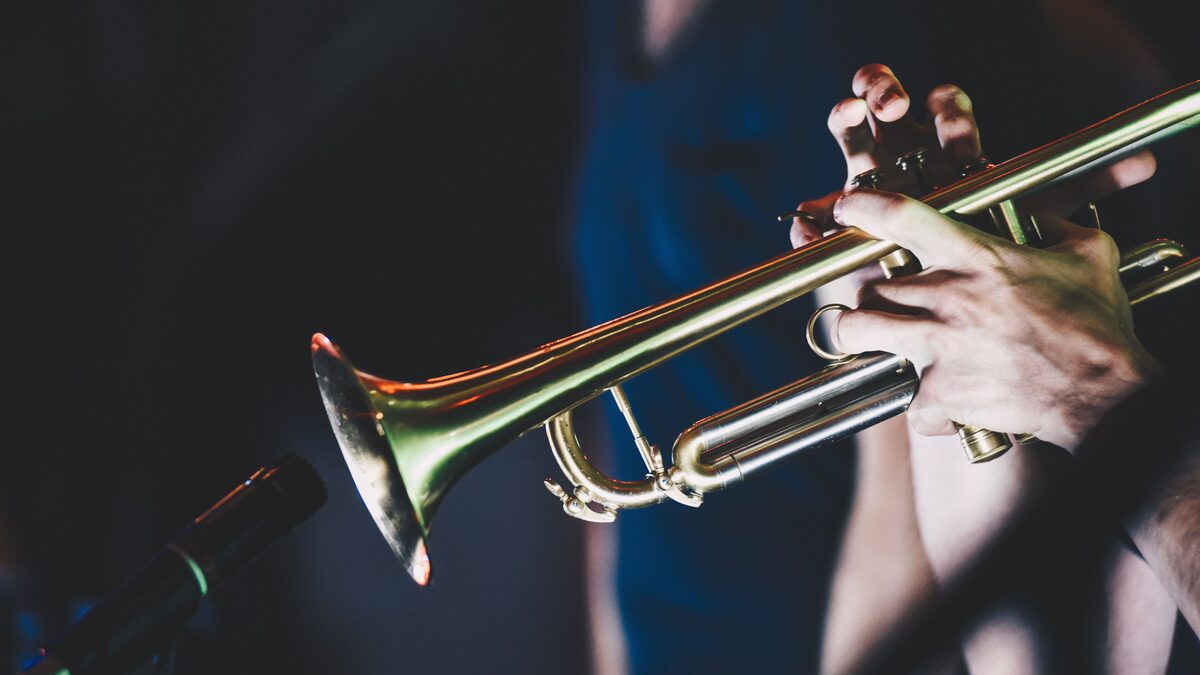
Press play on almost any ska record and your body picks up the beat before your brain does. There is that scratchy guitar chop landing between the drum hits, a fat bassline walking up and down like it has somewhere to be, and a horn section blasting short, happy stabs over the top. Ska is one of the most physically fun styles of music ever recorded, and it is built from a handful of simple parts that fit together like clockwork. That makes it a great target when you want to make an AI ska song, because Suno responds well to clear, punchy instructions about rhythm and instrumentation.
This guide walks through what actually makes ska sound like ska, then shows you how to describe those ingredients so the model gives you the bouncing, brass-heavy result you are picturing. We will look at the offbeat guitar, the horn section, the walking bass, and the three big flavors of the style, and you will finish with prompts you can paste straight in and tweak.
One thing to keep in mind before you start: ska is a genre of clear roles. Every instrument has a defined job, and the magic comes from how those jobs interlock rather than from any single flashy part. That is good news when you are writing a text prompt, because it means you can describe the song as a set of jobs, telling the model what the guitar does, what the horns do, and what the bass does. The more precisely you assign those roles, the more the result will actually swing instead of drifting into generic upbeat pop with a couple of trumpets tacked on.
The upstroke and the offbeat
The single most important sound in ska is the guitar upstroke, and once you can hear it you will never miss it again. In most pop and rock, the guitar hits on the beat, right where you would clap. Ska does the opposite. The guitar plays a short, muted chop on the offbeat, the "and" that falls between each count. Count "one and two and three and four and" out loud and the guitar lands on every "and." That skip, that little hole where you expect a chord and instead get silence followed by a stab, is what gives ska its spring.
The chords are usually played high on the neck, kept short, and damped almost as soon as they ring so each one is a quick tick rather than a sustained wash. Drummers lock in with this by putting a crisp accent on the same offbeat, often on the rim or the hi-hat, so the guitar and drums push together against the steady pulse of the bass and kick. The result is a rhythm that feels like it is constantly bouncing forward.
When you write a prompt, name this directly. Words like "offbeat upstroke guitar," "skanking rhythm guitar," and "choppy muted chords on the upbeat" tell the model exactly which pattern you want. If you leave it vague and just ask for a happy guitar song, you will often get on-beat strumming that sounds nothing like ska. The offbeat is the whole trick, so put it front and center.
It also helps to think about how tight the chop should be. In slower, older ska the upstroke can breathe a little, with a touch of swing so it feels relaxed and human. In faster styles the chop is machine-tight, snapping in exactly the same spot every bar. If your first result sounds loose when you wanted precise, add a word like "tight" or "crisp." If it sounds stiff when you wanted a groove, ask for a "swung" or "relaxed" feel. Small adjectives like these steer the model more than you might guess, because the offbeat is the rhythmic core it builds everything else around.
The brass section
If the guitar gives ska its bounce, the horns give it its joy. A classic ska horn section is trumpet, trombone, and saxophone playing tight, punchy lines together. Sometimes they blast short stabs that answer the vocal, like a crowd shouting back at a singer. Other times they play a full melodic riff that carries the song, a hook you can hum long after the track ends. The horns are bright, loud, and unapologetic, and they are a big part of why ska feels like a party.
There are two horn moods worth knowing. The first is the stab: short, sharp hits that punctuate the groove and leave space around them. The second is the line: a longer, flowing melody, often with the trombone sliding between notes and the trumpet sitting on top. Great ska songs mix both, using stabs in the verses to keep things tight and opening up into full horn lines in the chorus for a lift.
To get horns from Suno, be specific about the instruments and the feel. Try phrases like "punchy horn section," "trumpet and trombone stabs," "bright saxophone riff," or "upbeat brass hook." If you want that celebratory blast in the chorus, say so with something like "big horn section in the chorus." The model tends to reward instrument names, so listing trumpet, trombone, and sax by name usually gives a fuller, more convincing brass sound than the generic word "horns" on its own.
Placement is worth thinking about too. Horns that play all the way through a song can wear out their welcome, so the best ska arrangements give them room to enter and exit. A common pattern is to keep the verses lean, with just guitar, bass, and drums carrying the groove, then bring the full brass section crashing in for the chorus. That contrast makes the horns hit harder when they arrive. You can build this into a prompt by describing the arrangement, for example "sparse verses, big horns in the chorus," which gives the song a shape rather than a flat wall of sound from start to finish.
The walking bassline
Underneath the chop and the brass, the bass is doing quiet, essential work. A ska bassline usually walks, meaning it moves in steady steps up and down through the notes of each chord rather than sitting on one root note. It is melodic without stealing attention, and it carries a lot of the song's momentum. Where the guitar skips and the drums accent the offbeat, the bass holds the ground with a warm, rounded tone and a rhythm you can march to.
This walking motion is borrowed straight from jazz and early rhythm and blues, which is no accident, since ska grew out of those styles in Jamaica in the late 1950s and early 1960s. The bass is the bridge between the loose, swinging feel of that older music and the tight, danceable snap of ska. When it is doing its job, you barely notice it, but take it away and the whole thing collapses into a thin scratch.
In a prompt, ask for a "walking bassline," a "melodic bouncing bass," or a "bass that walks up and down the chords." Pair that with a tempo that suits the subgenre you are after, and the rhythm section will fall into place. A good bassline is also what stops a fast ska song from sounding like thin punk with horns bolted on, so it is worth calling out clearly.
The tone of the bass matters as much as the notes. Ska bass is usually round and warm rather than clicky or distorted, which lets it fill the low end without fighting the guitar chop for space. Because the guitar deliberately leaves gaps on the beat, the bass often steps into those gaps, creating a conversation between the two instruments where one is always moving while the other rests. If you want to hear this clearly, listen to how the bass and guitar trade the rhythm back and forth. You can hint at it in a prompt with a phrase like "warm round bass that fills the gaps between the guitar chops."
Traditional ska, two-tone, ska punk
Ska is not one single sound. It has moved through three big waves, and each one has a different flavor you can aim for. Knowing which wave you want helps you pick a tempo, an energy level, and a set of reference words that steer the model.
The first wave is traditional Jamaican ska from the early 1960s, sometimes tied to the artists and studios of that era. It swings, it is a little looser, the horns lean jazzy, and the production sounds warm and vintage. The second wave is two-tone, the British revival of the late 1970s and early 1980s that mixed ska with punk energy and a sharp, black-and-white style. It is faster and tighter than the originals, with a nervy edge. The third wave is ska punk, which came mostly from the United States in the 1990s, cranking the tempo, adding distorted guitars, and blasting the horns over a punk rock engine.
| Subgenre | Feel and how to prompt it |
|---|---|
| Traditional ska | Warm, swinging, jazzy horns, vintage 1960s Jamaican sound, relaxed mid tempo, walking bass to the front |
| Two-tone | Faster British revival, tight and nervy, sharp offbeat guitar, punchy horns, late 1970s energy |
| Ska punk | Fast and loud, distorted guitars, blasting horns, shouted vocals, 1990s American crossover feel |
| Rocksteady lean | Slower cousin of ska, smoother groove, soulful vocal, laid-back bass, romantic mood |
| Ska pop | Bright, radio-friendly, big sing-along chorus, clean production, hooky horn riff |
You do not have to memorize any history to use this. Just decide whether you want warm and swinging, tight and nervy, or fast and loud, then borrow the matching words. The clearer you are about the wave, the less the model has to guess.
Grab your ska track as an MP3
Once Suno gives you a bouncing brass anthem you are happy with, save it as a clean audio file to share, rehearse over, or add to a playlist.
Open the free downloaderGetting that bouncy sound from prompts
Now for the practical part. A good ska prompt stacks the ingredients we have covered so the model has no room to drift into generic pop. Lead with the genre and the subgenre, name the offbeat guitar, call out the horn section, ask for a walking bass, and set a tempo. Then add a mood and a vocal style so the song has a personality rather than sounding like a backing track.
Tempo matters more than people expect. Traditional ska sits comfortably around 120 to 140 beats per minute, two-tone pushes a little faster, and ska punk can run well past 160. If your track feels sluggish, nudge the tempo up. If the horns sound rushed and messy, pull it back down. Suno reads tempo words, so "upbeat," "fast," and "high energy" all shift the result, and you can name a rough number for extra control.
The other lever is the vocal. Traditional ska often has a smooth, soulful lead, two-tone tends toward a sharper, more clipped delivery, and ska punk frequently uses shouted, gang-style vocals with the whole band chanting the hook. Describe the singer, and if you want a crowd shouting the chorus back, say "gang vocals" or "group shouted chorus." That call-and-response between a lead voice and a shouting band is a signature ska move.
Here are prompt building blocks you can mix and match. Copy a row, adjust the mood or tempo, and run it. If the first result is close but not quite there, change one thing at a time rather than rewriting the whole prompt, so you can hear what each word is doing.
| Prompt goal | Prompt text to try |
|---|---|
| Classic bouncy ska | Upbeat traditional ska, offbeat upstroke guitar, punchy trumpet and trombone stabs, walking bass, warm vintage sound, cheerful mood, 130 bpm |
| Two-tone energy | Fast two-tone ska, tight skanking guitar on the upbeat, sharp horn section, driving walking bass, nervy British revival feel, clipped lead vocal |
| Ska punk anthem | High energy ska punk, distorted guitars, blasting horn section, shouted gang vocals in the chorus, fast tempo, sweaty live show feel, 170 bpm |
| Sunny ska pop | Bright ska pop, catchy horn hook, offbeat guitar chop, bouncing bass, big sing-along chorus, clean modern production, happy summer mood |
| Laid-back rocksteady | Slow rocksteady groove, smooth soulful vocal, mellow offbeat guitar, deep walking bass, warm horns, romantic late-night feel, 90 bpm |
It is also worth generating in short bursts and comparing. Because ska lives or dies on feel, two versions of the same prompt can land very differently, one bouncing hard and the other feeling slightly flat. Make a handful, play them back to back, and trust your feet. If a version makes you want to move, it is working. If you find yourself sitting still, something in the rhythm section has gone soft, and it is usually the offbeat or the bass that needs a firmer instruction.
When you get a version you like, listen for the offbeat first. If the guitar is landing on the beat instead of between the beats, add stronger offbeat language and try again. Then check the horns are punchy rather than buried, and that the bass is walking rather than sitting still. Those three checks catch most of the ways a ska prompt can go soft. From there it is small tweaks: a brighter chorus, a faster tempo, a shout in the hook.
Ska rewards a bit of patience because the parts are so specific, but that specificity is also what makes it satisfying to build. Every element has a job, and when they all click into place the song practically forces you to move. Generate a few versions, keep the one with the best bounce, and when the horns are blasting and the guitar is chopping exactly where it should, save the track so you can play it anywhere. A great ska song is meant to be shared, and downloading it as a clean file is the easiest way to pass that energy along.