 Suno Downloader AI
AI spa music: calm tracks for every treatment and setting
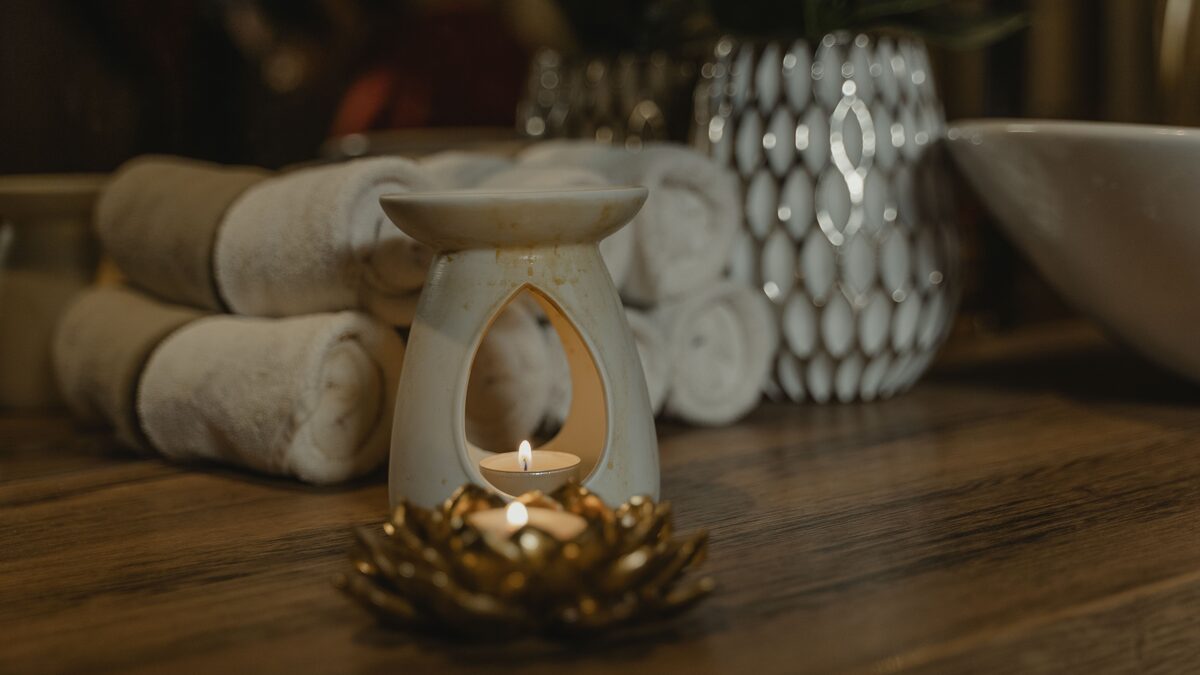
Walk into a well run spa with your eyes closed and you can still tell you have arrived somewhere calm. The air smells faintly of oils, the temperature is warm, and underneath it all runs a soft layer of sound that lowers your shoulders before anyone has said a word. Sound is not decoration in a spa. It is part of the treatment, shaping how quickly a guest settles, how deeply they relax, and how they remember the visit afterward. Get it wrong and even a skilled massage feels a little off. Get it right and the whole space seems to breathe more slowly.
For a long time, spas leaned on stock playlists and licensed compilations, which came with two headaches: the same tired tracks that every other spa also plays, and the ongoing question of whether the license actually covers a commercial space. AI music changes the arithmetic. With a tool like Suno you can generate calm, original music tuned to each part of your space, download long versions you can loop for hours, and stop worrying that a guest will recognize the exact playlist from the spa across town. This guide moves through the space room by room, because each setting asks for a slightly different kind of quiet.
The reception and waiting area
Reception is where a guest crosses from the outside world into your space, and the music here does the work of a decompression chamber. Someone may have just fought traffic or rushed from a meeting, and the sound they meet at the door starts to slow them down. This is the one area where a little more presence is welcome, because people are still talking, checking in, and looking around.
Aim for music that is gentle but not so faint it disappears under conversation. Warm piano, soft acoustic guitar, or light ambient textures with a slow sense of movement all work. Avoid anything with a strong beat or a catchy melody that pulls focus, since the goal is to ease people in, not to entertain them. When you generate for reception, prompt for something like a slow, warm instrumental with soft piano and gentle pads, no drums, calm and welcoming. Make a few versions and pick the one that feels like an exhale.
Because reception sees the most foot traffic and the most repeat exposure for your staff, variety matters here more than anywhere else. Your front desk team hears this music all day, so generate a small collection of related pieces in the same mood and rotate them. That keeps the sound consistent for guests while sparing your staff the slow fatigue of the same short loop on endless repeat.
Reception is also where the sound of your space can quietly match the season. A brighter, warmer set of tracks suits a summer morning, while something slightly darker and cozier fits a winter evening. Because generating a fresh batch takes only minutes, you can refresh the reception collection a few times a year and keep the arrival experience feeling current without ever losing the calm that defines it. Just keep the changes gentle, so a returning guest still recognizes the feeling of your front door.
Massage and bodywork
The treatment room is the heart of the experience, and the music here has one job: to hold a steady, unbroken calm so the guest can stop thinking. During a massage, the mind should drift, and anything that snaps attention back to the surface works against the therapist's hands. That means no sudden changes in volume, no bright melodic hooks, and absolutely no beat that a body might unconsciously tense to.
The best massage music tends to be slow, warm, and almost formless. Think long sustained tones, soft washes of sound, gentle strings or flute, and the occasional slow piano note with plenty of space around it. Nature textures such as distant water or soft wind can add depth, but keep them subtle so they suggest a place rather than announce one. When you prompt Suno, ask for a slow ambient instrumental with sustained pads and gentle piano, no percussion, no melody hooks, deeply calming and continuous.
Tempo is the quiet lever that matters most. Slower music tends to encourage slower breathing, and slower breathing is exactly what you want during bodywork. Keep things loose and unhurried, well under the pace of a resting heartbeat, so the sound gently pulls the guest downward into stillness rather than nudging them along.
Think about volume as part of the composition, too. Massage music should sit low enough that it never competes with the small sounds of the treatment itself, the soft slide of hands and the guest's own breathing. Generate tracks that are gentle by nature rather than loud pieces you have to turn far down, because a track written to be quiet holds its detail at a low level, while a busy one turns muddy. A well made calm piece rewards this, staying rich and warm even when it is barely there.
Fill your rooms with music no one else has
Generate calm, original spa tracks with Suno, then download long loops you can play through a full treatment without a single interruption.
Open the free downloaderFacials and quiet treatments
Facials, wraps, and other quiet treatments sit somewhere between the waiting room and the massage table. The guest is relaxed but often still a little aware, sometimes making small conversation, sometimes resting with their eyes closed while a mask sets. The music should support both states without leaning too far in either direction.
Here you have room for a touch more melodic interest than in a deep massage, as long as it stays soft and slow. A delicate piano line, a gentle harp, or a warm ambient piece with a faint sense of shape gives the room a little life without breaking the calm. The key is restraint. Anything that starts to feel like a proper song, with a verse and a chorus you might hum, is too much. You want music that a guest could ignore completely or lean into gently, depending on their mood. A useful test is to play a candidate track while you do something else in the room and notice whether it keeps grabbing your attention. If it does, it is too busy for a facial, and a plainer version will serve you better.
These treatments often run in defined blocks, such as the time a mask needs to sit, so it helps to have music that flows continuously across that whole window. Generate longer pieces or smooth loops so the sound never stops and restarts in the middle of a treatment, which can jolt a resting guest more than you would expect. A clean, uninterrupted flow keeps the spell intact from the first step to the last.
The relaxation room
Many spas keep a relaxation room where guests rest before or after treatments, sipping tea and letting the effects settle. This space has its own character. People here are often at their most relaxed, sometimes close to sleep, and the music should meet them in that soft, floating state.
Reach for the most ambient, least eventful music in your whole collection. Long, slow drones, warm pads, and the faintest suggestion of melody create a cocoon that lets people rest without any pull on their attention. This is the place where music can come closest to disappearing, present only as a warmth in the air. Prompt for something like a very slow ambient soundscape, soft evolving pads, minimal melody, no rhythm, made for deep rest, and generate a long version so it can play through as guests come and go.
If your relaxation room doubles as a quiet nap space, lean even further toward stillness. The same qualities that make music good for sleep make it right here: no surprises, no sharp edges, and a slow, even flow that could continue for an hour without anyone noticing where one part ended and the next began.
Lighting and scent usually get the credit for a relaxation room's mood, but the sound is what carries across the whole time a guest spends there. Because people often arrive already tired from a treatment, this is the room where music earns its keep quietly, holding a settled hush that lets the benefits of the work sink in. A track that would feel too empty anywhere else is perfect here, so do not be afraid to generate something almost bare.
Keeping it instrumental with no beat
Across every room, two rules hold. Spa music should be instrumental, and it should avoid a strong beat. Both deserve a word on why.
Vocals, even wordless ones, tend to draw the ear because the brain is wired to notice the human voice. A lyric in a language the guest understands is worse still, because they start following the words instead of resting. Keeping your spa music purely instrumental removes that pull. When you generate with Suno, say so directly in your prompt, asking for an instrumental piece with no vocals, so the tool does not add a voice you will have to work around.
A prominent beat is the other thing to avoid. A steady, audible pulse gives the body something to sync to, which is wonderful in a workout and wrong in a treatment room. Ask for no drums and no percussion, and describe the feeling you want as flowing or continuous rather than rhythmic. If a generated track sneaks in a subtle pulse, generate again with firmer wording, since it is easier to make a fresh version than to fight one that is close but not right.
Making long uninterrupted loops
A spa runs for hours, and nothing breaks the mood faster than music that ends and leaves a room in sudden silence, or that restarts with an obvious jump. The practical answer is to build long, smooth playback from your generated tracks, and this is where downloading really earns its place.
Generate several pieces in the same mood, then download the audio files so you can arrange them the way you need. With the files saved locally, you can line up a handful of related tracks into a long playlist that runs for an hour or more, so a treatment never outlasts the music. You can also loop a single well made piece, as long as its start and end flow into each other without a click or a gap. Listen to the loop point a few times before you trust it, because a seam that seems fine once can become annoying on the tenth repeat.
Working from downloaded files rather than streaming inside an app matters for a business, too. Your music keeps playing even if the internet drops, a track never vanishes from an online library in the middle of the day, and you can move the same files to whatever plays sound in your rooms, whether that is a tablet, a small media player, or a dedicated system. Save your tracks with clear names by room and mood, keep a simple folder for each area, and you can refresh the whole spa's sound in an afternoon.
One small technical note pays off over a long day. Crossfading between tracks, where one piece fades down as the next fades up, hides the joins so a playlist feels like a single continuous flow rather than a series of songs. Most simple media players offer a crossfade setting, and with your own downloaded files you can arrange the order so that pieces in a similar key and mood sit next to each other. The result is playback that a guest experiences as one long, unbroken calm, which is exactly the impression a good spa wants to leave.
Licensing for a business space
Because a spa is a commercial setting, it is worth being straight about the rights involved. Music you generate yourself with Suno is original audio, which puts you in a far cleaner position than pulling tracks from sources never meant for public playback. When the music is your own creation, you are not performing someone else's recording to a paying room.
Still, two questions stay separate. One is whether the audio is original and yours, and for tracks you generate the answer is generally yes. The other is whether your plan permits this kind of commercial use, meaning playing the music in a space where you earn money. That depends on the tier you generated under and the terms attached to it, and free and paid plans often differ. The dependable habit is to check the current terms of your Suno plan before you build your spa's playlist on it, since terms shift over time and last year's understanding may not match today's.
It is also worth knowing that public playback of commercial music in many countries involves performance licensing paid to collecting societies, which is a big reason licensed playlists get complicated for businesses. Using your own generated, original music changes that picture, but the specifics vary by country, so treat this as general information and confirm what applies where you operate. If you want to understand the ownership side more deeply, the article on AI music copyright lays out who owns your Suno songs.
Put it all together and a thoughtful sound plan is well within reach for any spa. Generate calm, original, instrumental music for each room, keep it slow and beatless, build long loops that never break the quiet, download everything so it plays reliably all day, and confirm your plan covers commercial use. Do that, and the sound of your space becomes something a guest cannot find anywhere else, a small part of why they leave feeling lighter than when they arrived.