 Suno Downloader AI
How to make a synthpop song with AI
There is a particular feeling synthpop gives you. It is bright and a little sad at the same time, glossy on the surface with real emotion running under it. A great synthpop song can make heartbreak sound like a night drive through a lit-up city. The synths shimmer, the beat is steady and clean, the hook lodges in your memory within one listen, and the voice sits right in the middle of it all, singing something that matters to you even when you cannot say why. That combination of polish and longing is what people fall for.
Synthpop grew out of the early electronic experiments of the late 1970s and turned them into pop songs with genuine reach. Where its rougher cousins kept an art-school edge, synthpop wanted the chorus, the melody, the emotional payoff. It kept the machines but pointed them at your heart. That is why it has never really gone away. Every few years it comes back under a new name, but the core stays the same: lush synthesizers, a catchy hook, an emotional vocal, and that unmistakable shimmer on top.
The good news is that Suno is well suited to this genre. Synthpop is built from clear, describable ingredients, and the model responds well when you name them. Before we get to the step by step recipe, it helps to understand what you are actually reaching for, so that every choice you make in your prompt is a deliberate one rather than a guess.
What actually defines synthpop
Strip synthpop down and you find four load-bearing elements. The first is the synth palette itself. Synthpop lives on layered synthesizers: warm pads that fill the background like a soft glow, plucky sequenced lines that give the track motion, and a lead sound that carries melody. The tones tend to be rich and slightly nostalgic, whether they come from vintage analog gear or modern software chasing that same warmth. The layering is what creates depth, so no single synth has to do everything.
The second element is the hook. Synthpop is pop first, which means the melody has to stick. The best synthpop hooks are simple, repeatable, and often carried by both the voice and a synth line at once, doubling up so the melody hits twice as hard. If you cannot hum it after one listen, it is not finished yet.
The third element is the vocal, and this is where the emotion lives. Synthpop voices are usually clean, close, and sincere, sitting front and center in the mix. They are not shouting and they are not hiding. They deliver the feeling directly. The contrast between a warm human voice and cool electronic backing is a huge part of the genre's appeal, that tension between the machine and the person operating it.
The fourth element is the shimmer, which is harder to define but you know it when you hear it. It comes from a bright, wide production: reverb that opens up the space, high frequency sparkle from bells and arpeggios, chorus and delay effects that smear the edges into a glow. The shimmer is the gloss on top of everything, the layer that makes a synthpop song sound like it is lit from within. Understanding these four parts is what turns a vague request into a track that actually sounds like the genre.
There is also a fifth quality that is not an ingredient so much as an attitude, and it is worth naming because it separates good synthpop from a pile of pretty sounds. Synthpop is emotionally direct. It does not hide behind irony or cleverness the way some of its cousins do. When a synthpop chorus arrives, it means it. The longing is sincere, the joy is sincere, the heartbreak is sincere. That earnestness is why the genre connects with people so strongly, and it is why the vocal and the hook matter more than any single synth patch. Keep that sincerity in mind as you write your prompt, because a track that sounds glossy but feels hollow has missed the entire point of the style.
A step by step recipe for building one in Suno
With those elements in mind, here is a practical order of operations. Working through it in sequence keeps your prompt focused and stops you from throwing every idea at the model at once.
- Pick the synth palette. Decide whether you want warm and vintage or bright and modern, then name it. For the warm route, use words like "lush analog synth pads," "warm vintage synths," and "soft plucky sequence." For the modern route, try "bright polished synths," "glossy digital pads," and "crisp arpeggio." Pick one direction so the layers agree with each other.
- Set the beat. Synthpop rhythm is steady and clean, usually a four on the floor kick or a firm electronic backbeat sitting somewhere between 100 and 128 beats per minute. Prompt with "steady electronic beat," "clean drum machine," or "programmed pop drums." Add a tempo like "118 BPM" to keep it locked in a comfortable dance pocket.
- Build the hook. Ask for a strong, memorable melody and, if you can, ask for it to be doubled. Phrases like "catchy synth hook," "memorable vocal melody doubled by synth lead," and "singable chorus" push Suno toward the earworm you want. This is the most important step, so give it real weight in the prompt.
- Choose the vocal style. Decide on the emotional tone and the voice. Try "clean emotional vocal," "sincere pop voice," "yearning melodic vocal," or "smooth close-mic vocal." Name a gender or register if you have a preference, and note the mood you want the singer to carry, whether that is hopeful, wistful, or bittersweet.
- Shape the arrangement. Tell the model how the song should move. Synthpop usually builds: a sparse verse, a lift into the pre-chorus, a full and bright chorus, then a breakdown before the last chorus goes even bigger. Add "builds from sparse verse to big chorus" and "wide shimmering production" to guide the shape.
Run that prompt, listen, and then refine one variable at a time. The recipe gives you a solid first draft. The sections below cover the parts that usually need a second pass.
A word on lyrics, since synthpop lives or dies on whether the words carry feeling. You do not need to write a novel. The best synthpop lyrics are simple and image-heavy: a city at night, a phone that will not ring, a memory of someone who left, a promise to hold on. Concrete images beat abstract statements every time. If you are letting Suno write the words, guide it with a theme in your prompt, something like "lyrics about missing someone" or "hopeful lyrics about starting over." If you are writing them yourself, keep the chorus line short and repeatable, because that is the line people will sing back. A single strong image in the hook does more work than a paragraph of clever wordplay.
Making the chorus land
The chorus is where a synthpop song either wins or falls flat, so it deserves special attention. When your first render comes back, ask yourself one question: does the chorus feel bigger and brighter than the verse? If it does not, the song will feel monotonous no matter how nice the individual sounds are. Contrast is everything. The verse should hold back so the chorus can open up.
To strengthen a weak chorus, add explicit contrast language to your prompt. Words like "explosive chorus," "chorus opens up wide," "layered vocal harmonies in the chorus," and "big bright hook" tell Suno to lift the energy at the right moment. Stacking backing vocals under the lead in the chorus is a classic synthpop move that instantly makes it feel larger, so try "stacked harmony vocals" as well.
Also pay attention to the melody itself. The strongest synthpop choruses often use a small number of notes repeated with slight variation, which is what makes them easy to sing along to. If your chorus melody wanders too much, it becomes forgettable. You can nudge the model with "simple repeated chorus melody" to keep it tight and memorable. Generate a few versions and pick the one where you find yourself humming the hook after it ends.
Do not neglect the moment right before the chorus, because the pre-chorus is what makes the chorus feel earned. A good pre-chorus builds quiet tension: it might strip the drums back, let a single synth line rise, or hold a chord that begs to resolve. Then the chorus resolves it, and the release feels enormous. Ask Suno for "a building pre-chorus that lifts into the hook" and you give the song that sense of anticipation. Without it, the chorus can feel like it simply appears rather than arrives, and appearing is never as satisfying as arriving. The tension and release between these two sections is one of the oldest tricks in pop songwriting, and synthpop uses it beautifully because the synths give you so many ways to build and then open up.
Choosing between retro and modern
One decision colors the entire track, and it is worth making on purpose: do you want your synthpop to sound like it came from 1984 or from a current pop release? Both are valid, and Suno can do either, but they need different prompts and they carry different feelings.
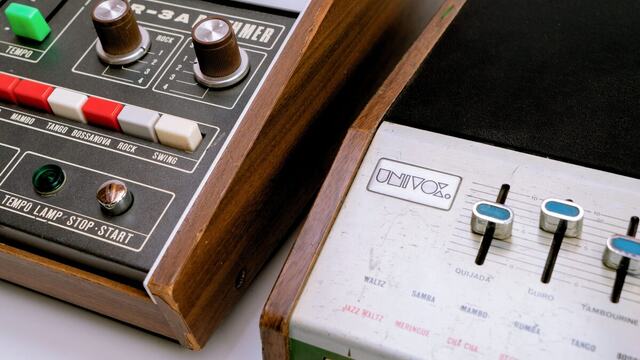
The retro route leans into vintage character. You want warm analog tones, a slightly narrower and grainier mix, gated reverb on the snare, and that unmistakable early-80s glow. Prompt words like "retro synthpop," "80s production," "analog warmth," and "vintage drum machine" steer you there. This version feels nostalgic and a little dreamy, like a memory of a decade you may not have even lived through.
The modern route keeps the synthpop DNA but wraps it in current production: cleaner low end, wider stereo image, crisper high frequencies, and a punchier overall sound. Use "modern synthpop," "polished contemporary production," "clean powerful mix," and "bright digital synths" for this direction. It feels sleek and immediate, built for today's speakers and streaming.
The choice also shapes the mood you end up with. Retro synthpop tends to feel warmer and more forgiving, its slight imperfections part of the charm, which suits nostalgic and romantic songs. Modern synthpop feels colder and more precise, which can suit songs about distance, anxiety, or the strange loneliness of a connected age. Neither is better. They simply serve different feelings, so let the emotion of your song point you toward the production style rather than choosing at random. A heartbroken ballad and an anthem about escape want different textures around them.
You can also blend the two, which is where a lot of the most appealing synthpop lives. A common approach is retro synth sounds with modern mixing, so the tones feel warm and nostalgic while the mix stays clean and full. Try "vintage synth tones with modern production" to chase that middle ground. Whatever you choose, commit to it in the prompt, because a track that is half retro and half modern by accident usually sounds indecisive rather than balanced.
Saving your finished song
Once you have a version where the palette, the hook, and the chorus all click, you will want it as a real audio file you can keep and use. Generate two or three final takes before you commit, because synthpop rewards small differences and one render often has a slightly better vocal performance or a cleaner chorus than the others. Listen on good headphones or speakers, since a lot of the shimmer lives in the high frequencies that cheap earbuds flatten out.
When you have your keeper, copy the Suno share link and use a free downloader to save the track. Pick MP3 for everyday use, playlists, and sharing, since it is small and plays everywhere. Pick WAV when you want the full-quality uncompressed file, which matters if you plan to import the song into editing software, master it further, or preserve every bit of that bright, glossy top end. WAV keeps the shimmer intact, so it is the better choice for anything you consider a finished piece. The whole process is quick and needs no account, so you can bounce a take, tweak your prompt, and download the improved version minutes later.
Ready to save your synthpop track?
Paste your Suno link, choose MP3 or WAV, download. Free, no sign up.
Open the free downloaderPutting your synthpop song to use
Once the file is saved, the track can go a long way. Synthpop is one of the most useful genres for background and soundtrack work because it carries emotion without demanding all your attention. A wistful synthpop instrumental sits beautifully under a travel video, a vlog, or a montage, adding that glow of nostalgia without stepping on whatever is happening on screen. If you made an instrumental version, it is ready to drop straight into a video timeline.
If your track has vocals and a strong hook, you have something closer to a real song, and it can live as one. Add it to a personal playlist to see how it holds up next to tracks you love. Share it with friends and watch whether the chorus sticks with them, which is the honest test of whether your hook is working. If you are building a catalog of original music, synthpop mixes well with adjacent styles like new wave and pop, so a handful of tracks in these genres can form a coherent little collection rather than a scattered set of one-offs.
For anyone making short-form content, keep a small library of your best synthpop pieces in both MP3 and WAV. The MP3 versions are easy to move between devices and upload quickly, while the WAV versions stay ready for any project that needs the higher quality. Over time you build a personal bank of music that sounds like you chose it on purpose, because you did, right down to the synth palette and the shape of the chorus.
It is also worth keeping a simple note of the prompts that worked. Synthpop is a genre you will likely return to, and the exact phrasing that produced a great chorus or the right vintage synth tone is easy to forget by the next session. A short text file listing your best prompts, with a line about what each one got you, turns every good result into a reusable starting point. The next time you sit down to make a track, you are not beginning from zero, you are refining something that already sounds like you. That small habit compounds quickly, and within a handful of sessions you will have a personal recipe book that gets you to a strong first draft faster every time.
The core lesson holds across everything you make in this style. Synthpop is not magic, it is a set of clear ingredients: lush layered synths, a hook you cannot forget, a sincere vocal, and a shimmer of bright production over the top. Name those ingredients clearly in your prompt, decide between retro and modern rather than leaving it to chance, make the chorus bigger than the verse, and pick the take where the melody sticks. Do that, save it in the format that fits how you will use it, and you have a synthpop song that sounds like a lit-up city at night, which is exactly the point.
If you take one thing away, let it be this: the emotion comes first, and everything else serves it. The synths, the beat, the production choices, they are all in service of a feeling you want the listener to have. Decide on that feeling before you write a single prompt word, whether it is the ache of missing someone or the rush of a fresh start, and then choose every ingredient to support it. A synthpop song that knows what it wants to make you feel will always beat one that simply sounds nice, and that clarity of intent is the one thing no amount of prompting can fake for you.