 Suno Downloader AI
Sync licensing AI music: how placements work
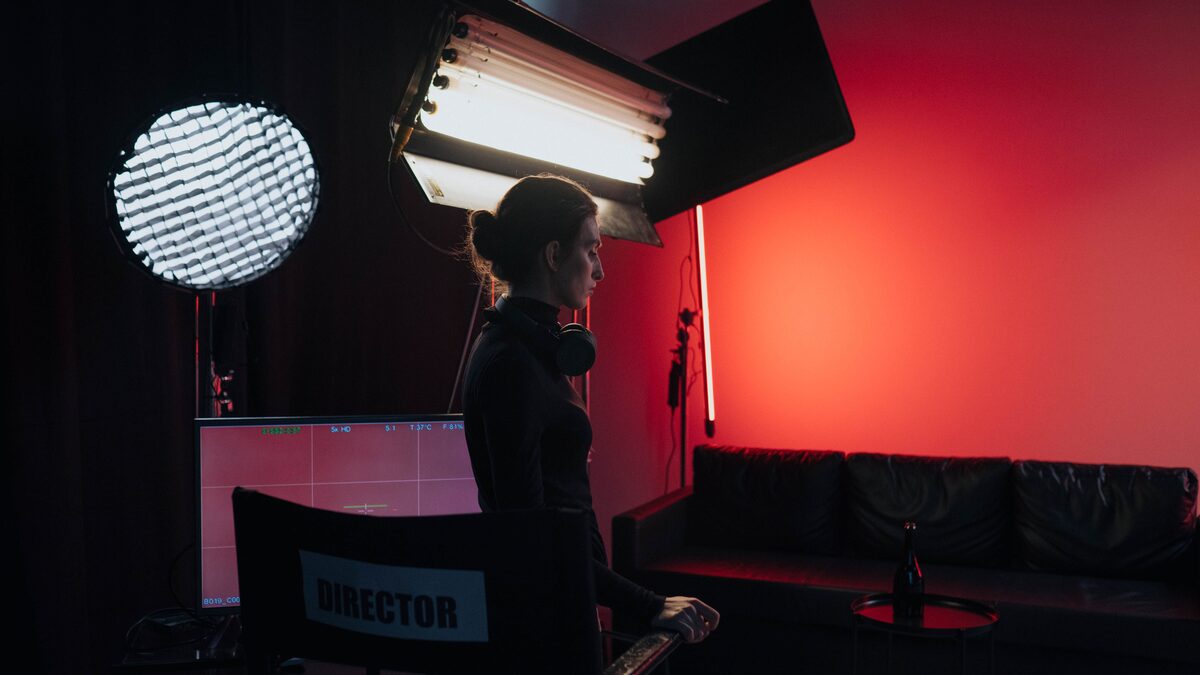
Sync licensing is the business of placing music into something you watch. When a song plays under a scene in a film, behind a product in a television ad, over a montage in a video game, or in the background of a YouTube video, that use was licensed. The word sync is short for synchronization, because the music is synchronized to moving pictures. Every time you notice a track fitting a scene just right, someone arranged the rights for it to be there, and usually money changed hands for the privilege.
For anyone making music, sync is an appealing corner of the industry because a single placement can pay well and reach a large audience at once. As AI music tools like Suno make it quick to produce original tracks, a natural question follows: can music made this way be placed the same way, and if so, how does it work and what should you watch out for? This article walks through how sync works, whether AI music fits, why it is attractive, and the real caveats that come with it. The short version is that it is possible but conditional, and the conditions are worth understanding before you build a plan around it.
How sync licensing works
At its core, sync licensing is a permission deal. Someone making a video, a producer, an editor, an ad agency, a game studio, a small creator, wants to use a piece of music in their project. To do that legally, they need permission from whoever owns the rights to that music. That permission is the sync license, and the fee paid for it is the sync fee.
In traditional music, this gets complicated because a song usually has two sides of rights. There is the composition, the underlying song itself, and there is the recording, the specific performance captured in the file. Those two can be owned by different people, a songwriter and a record label, for instance, which means a licensee sometimes has to clear both before they can use a track. Much of the machinery of the music business exists to sort out who owns what and who gets paid.
The money can flow in a few ways. There is often an upfront sync fee, a one time payment for the right to use the music in a particular project. Depending on where the music is used, there can also be performance royalties that come in later when the video or show is broadcast or streamed, collected through the organizations that track public performances. A big placement, like a national ad or a hit show, can be worth a lot. A small placement, like a background track in an online video, might be worth a modest flat fee. The scale varies enormously.
Music reaches licensees through a few channels. Some artists pitch directly. Many work through music libraries, also called production libraries, which are catalogs that collect tracks and license them out to video makers, often for set fees. Libraries handle the paperwork and the sales, and in return they take a share. For someone without industry contacts, a library is often the practical way in.
It is worth knowing that the size of the project usually drives the size of the deal. A big brand running a national television campaign has a real budget for music and expects a formal negotiation, often through agencies and lawyers. A small online creator making a short video works at the other end of the scale, frequently reaching for library tracks with clear, set prices precisely because negotiating a custom deal for every clip would be impractical. Most of the volume in sync, and most of the realistic opportunity for a newcomer, sits at that smaller end, where video makers need a steady supply of affordable, ready to license music. That is exactly the space where quickly made original tracks can compete, because the need there is broad and constant rather than rare and prestigious.
Can AI music be sync licensed?
In principle, yes. Sync licensing is about placing music into video, and there is nothing about that process that inherently excludes music made with AI. If you have an original track and the right to license it, a video maker can license it from you the same way they would any other track. The mechanics do not care how the notes were generated.
The appeal for sync is real and specific. Video projects often need original music that fits a scene without the cost and delay of commissioning a composer or the expense of licensing a well known song. AI tools can produce original tracks quickly and cheaply, and you can tailor them to a brief, a mood, a tempo, a length, which is exactly what sync buyers often want. A creator who needs a warm acoustic bed under a thirty second ad, or a tense electronic loop under a game trailer, can have a fitting original track in short order. That flexibility is genuinely attractive for placement work.
Whenever you want to hand a track to an editor or submit it to a library, you need the file itself first. You can save your AI track as an MP3 or WAV from our free downloader on the home page, which gives you a clean file ready to share or submit.
So the answer to whether AI music can be sync licensed is yes in principle. But sync is one of the areas where the caveats matter most, because a placement is a commercial use, often a high profile one, and commercial use is exactly where the questions around AI music get sharpest. This is where honesty is more useful than hype.
The caveats that actually matter
The first and biggest caveat is rights. To license a track to someone, you need clear rights to it yourself. With AI music, whether you have those rights, and what you are allowed to do with them commercially, depends on the plan you used and the current terms of the tool. Tools commonly draw a line between free and paid tiers, with commercial use tied to a paid plan and sometimes to specific conditions within it. Sync licensing is squarely a commercial use, often a prominent one, so before you offer a track for placement you should confirm that your plan and the current terms actually permit you to license it that way. Do not assume. Read the terms that apply to you, and if anything is unclear, treat that as a reason to check rather than proceed.
The second caveat is originality and cleanliness. A sync buyer wants music they can use without a rights holder surfacing later to object. That means your track needs to be genuinely your own original audio, not something built on a recognizable copyrighted recording or sample. Clean, original AI generated audio is the material you want to be offering. Anything with murky origins is a liability in a placement deal, because the whole point of a sync license is that it gives the buyer confidence the music is cleared.
The third caveat is that some buyers and libraries have their own policies on AI music, and those policies are still forming. Some music libraries and some end buyers, especially larger ones, have taken positions on whether they will accept or place AI generated tracks, and those positions vary and change. A library might welcome AI music, restrict it, require disclosure, or decline it entirely. An advertiser might have a brand policy about it. Because this is a moving area, the responsible move is to check the current stance of whichever library or buyer you are approaching rather than assuming they will treat an AI track like any other. Being upfront that a track is AI made lets them apply their own policy honestly, and saves everyone a problem later.
There is also a broader legal backdrop worth acknowledging plainly. Questions about how copyright applies to AI generated music are still being worked out in various places, and the answers are not fully settled. That uncertainty does not make sync placement impossible, but it does mean the ground can shift, and it is another reason to keep your own paperwork clean: use a plan that clears commercial use, keep your tracks original, and disclose honestly. Those habits protect you whatever direction the wider rules take.
One point often trips people up, so it is worth stating directly. A sync license from you covers the music. It does not magically clear everything else in the buyer's project, and it does not shield you if the track was not really yours to license in the first place. The value you offer a buyer is confidence that the music is clean and cleared, and that confidence is only worth anything if it is true. This is why the rights checks above are not just box ticking. They are the whole basis of the deal. A library or a buyer is, in effect, trusting your word that you had the right to offer the track, and the terms you agree to usually make you responsible if that turns out to be wrong. Keeping your side genuinely clean is what makes you a safe party to deal with.
Get your track ready to pitch
Save your original AI music as a clean MP3 or WAV so you have a file ready to submit to a library or hand to an editor.
Open the free downloaderHow someone might pursue sync placements
If the caveats are handled and you want to try, here is the general shape of how people go about it, offered as an overview rather than a guarantee of results.
The starting point is having music worth placing. Sync buyers tend to want tracks that fit common needs: clear moods, usable lengths, and clean production that sits well under dialogue or action. Instrumental tracks are often especially useful for sync, because a track without vocals is easier to place under a voiceover or a scene without lyrics competing with the words on screen. Building a small catalog of tracks in different moods gives you more chances to fit a brief.
Think in terms of the situations video makers actually face. Someone needs uplifting background for a product reveal. Someone needs tension for a dramatic moment. Someone needs calm, unobtrusive music under a tutorial. Someone needs energy for a sports montage. If your catalog covers a spread of these common needs with clean, usable tracks, you fit more briefs than a catalog of one narrow style, however good that style is. This is part of why AI tools suit the work: producing a track in a new mood is quick, so filling gaps in your catalog does not take the weeks it once would have. The aim is a useful range, not a single showpiece.
From there, the most common route for newcomers is through music libraries. You submit tracks to a library, and if they accept them, they list your music and license it out to their clients, handling the sales and paperwork in exchange for a share. Different libraries work differently, some exclusive and some not, some paying upfront and some on a revenue share, so read the terms of any library you consider, both for how they pay and for their stance on AI music. Reputable libraries are clear about both.
Some people also pitch more directly, building relationships with video creators, small production companies, or podcasters who need music and might license directly. This is slower and depends on contacts, but it cuts out the middle share. For many creators making AI music, though, the realistic first step is simply making original tracks available in the right places and being clear about the rights, then letting placements come as they may.
It helps to prepare tracks the way buyers like to receive them. Clean starts and ends make a track easier to place, since an editor may need to fit it to an exact length. Versions can help too: a full track, a shorter cut, and sometimes an instrumental or a stripped back mix give a buyer options to fit different scenes from the same idea. You do not need to overthink this early on, but as you build a catalog, offering usable, well prepared files makes your music easier to say yes to. Saving good quality files, clearly named, is a small effort that makes you look like someone worth working with.
Keep your expectations grounded. Sync is competitive, and most tracks placed through libraries earn modest amounts, with the occasional larger placement being the exception rather than the rule. If you go in treating it as a possible source of some income from music you were making anyway, rather than a guaranteed payday, you will have a healthier relationship with it. The related topics of whether AI music earns royalties and whether you can sell your tracks are covered in our guides on AI music royalties and selling Suno songs, and both connect closely to the sync question.
The honest bottom line
Sync licensing places music into video, ads, games, and film, and it pays through upfront fees and sometimes later royalties. AI music can take part in that world, and it brings genuine advantages: original tracks, made quickly and cheaply, tailored to a brief. Those are real strengths for a field that constantly needs fitting music on a budget.
The catch is that sync is commercial use at its most visible, so the rights have to be right. That means using a plan whose current terms clear commercial licensing, keeping your tracks genuinely original and clean, and checking the AI policies of the libraries and buyers you approach, since those policies vary and are still settling. Handle those, be honest about how the music was made, and keep your expectations realistic, and sync becomes a reasonable avenue to explore for original AI music. Skip them, and you risk offering something you are not cleared to offer. The opportunity is real, and so are the conditions, and knowing both is what lets you pursue it sensibly.