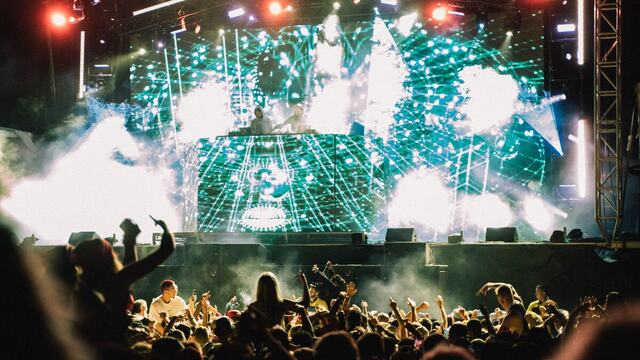
 Suno Downloader AI
Using an AI dubstep generator to build heavy drops
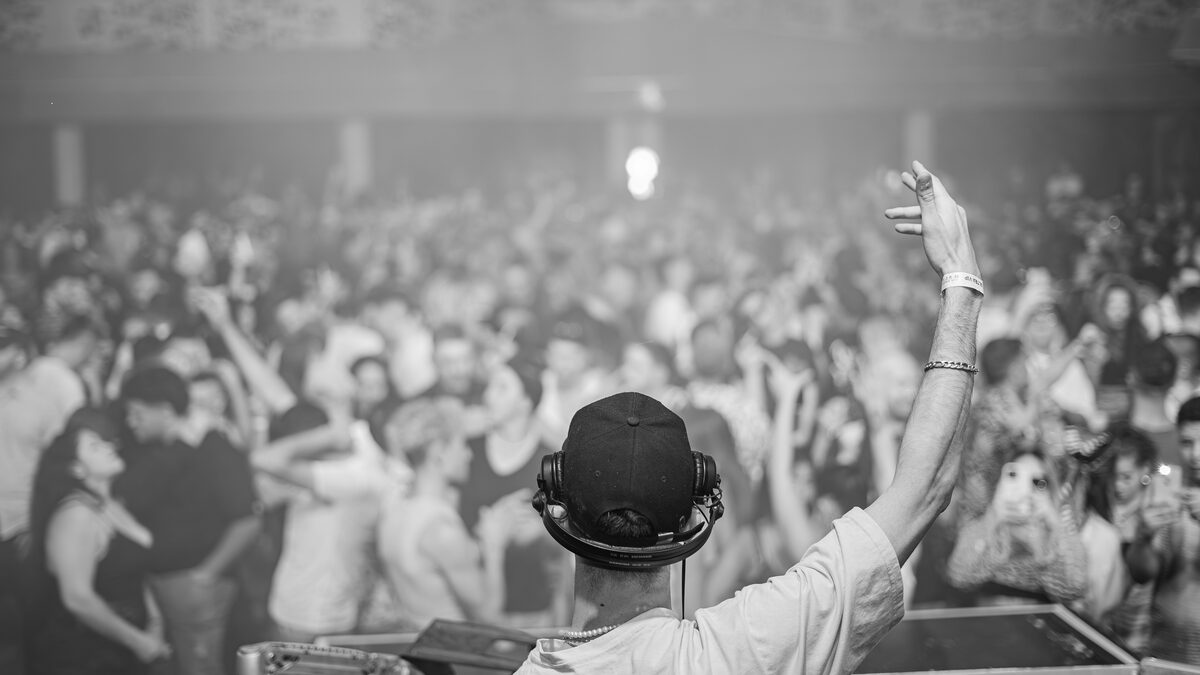
The whole track has been climbing. A snare rushes faster and faster, a synth screams higher, the drums cut out, and for one held breath there is almost nothing at all. Then the bass hits. The floor shakes, the crowd erupts, and a low, growling wall of sound takes over the room. That moment, the drop, is the reason dubstep exists, and learning to build it is the reason to reach for an AI dubstep generator in the first place.
Dubstep is sound design music. It lives in the texture of the bass, the weight of the low end, and the tension of the space around the hits. That makes it a demanding style to produce by hand, which is exactly why generating a base track with Suno saves so much time. This guide breaks the genre into its working parts, the drop, the bass, the half-time groove, the build, so you can describe each one clearly and get heavy results. Once a drop lands the way you want, downloading the track keeps it ready for a set or an edit.
The drop is the point
Every dubstep track is built around its drop. Everything before it exists to set it up, and everything after either rides the energy or resets for the next one. The drop is where the bass takes over, where the rhythm shifts, and where the sound design goes to its heaviest. When people describe a dubstep song, they usually describe the drop, because that is the payload the rest of the track delivers.
Structurally, a dubstep track tends to move in a clear cycle. An intro sets the mood, a build ramps up the tension, the drop pays it off, then a breakdown pulls back to catch a breath before the next build and the second drop. Understanding this shape helps you prompt, because you can ask an AI dubstep generator for the structure directly. Naming an intro, a build, a drop, and a breakdown tells Suno how to arrange the energy across the track.
The most important thing to understand is contrast. The drop only hits hard because the moment before it was quiet and tense. If the whole track is loud, the drop has nowhere to go. Great dubstep manages energy like a story, holding back so it can pay off. When you write your prompt, think in terms of that rise and release. A drop is not just a loud section. It is the release of everything the build spent its time promising.
Wobble bass and sound design
The signature sound of dubstep is the wobble bass, a low synth note modulated so its tone and volume pulse in rhythm with the track. That wobble comes from a low frequency oscillator sweeping a filter back and forth, and its speed can lock to the tempo in halves, quarters, or faster subdivisions. A slow wobble feels heavy and menacing. A fast one feels frantic and mechanical. Varying the speed across a drop is a big part of what keeps the bass interesting.
Beyond the wobble, dubstep bass comes in many characters. There is the growl, a gritty distorted tone that sounds almost vocal. There is the reese, a thick detuned drone that fills the whole low and mid range. There is the sub, a pure deep tone you feel more than hear. Producers layer these to build a bass that has weight down low and bite up top. When you prompt an AI dubstep generator, naming the bass character steers the sound design more than almost anything else.
Texture and grit matter here. Dubstep bass is rarely clean. It is distorted, resampled, and processed until it sounds aggressive and physical. Words like "gritty," "growling," "metallic," "detuned," and "screaming" tell the generator that you want an edge, not a smooth pad. Try a phrase such as "heavy growling wobble bass, gritty and detuned, aggressive sound design." The more specific your description of the bass tone, the closer the result lands to the sound in your head.
Rhythm is part of the bass design too, not just tone. A dubstep bass rarely holds one steady note. It stutters, it chops into rhythmic patterns, and it switches character from one bar to the next, growling in one moment and screaming in the next. This movement is what keeps a drop from getting boring across its eight or sixteen bars. When you prompt, you can ask for that variety with a phrase like "bass that switches between growls and screams, chopped into a rhythmic pattern," which tells the generator to keep the low end restless. A drop that evolves holds attention far longer than one that simply repeats, and describing that evolution is one of the most useful things you can do in a prompt.
Half-time and the space around hits
Dubstep usually runs at 140 beats per minute, but it rarely feels that fast. The trick is the half-time feel. The kick lands on the first beat and the snare lands on the third, which makes the groove feel like 70 beats per minute even though the hi-hats and details move at the full tempo. That half-time pocket is what gives dubstep its heavy, swaggering weight. The beat feels slow and enormous while the details skitter fast on top.
Space is central to this. Between the big kick and the big snare, dubstep leaves room, and that room is where the bass does its work. The genre inherited this from dub and early UK garage, where the silence between hits was as important as the hits themselves. A crowded drop loses its impact. A spacious one lets each bass growl ring out and hit hard. When you prompt, ask for that space directly so the generator does not fill every gap.
To capture this feel, name it. "140 bpm with a half-time drop, kick on one and snare on three, lots of space for the bass to breathe" gives an AI dubstep generator a clear rhythmic target. You can also ask for the skittering details on top, "fast hi-hat rolls and crisp percussion over a heavy half-time groove," which gives you the contrast between slow weight and fast movement that defines the style.
This half-time feel is also why dubstep sits so comfortably next to hip hop and trap, which share the same slow-groove-under-fast-detail approach. If you want your track to lean in that direction, you can ask for a "trap-influenced half-time groove with rolling hi-hats and a heavy 808," and the generator will pull the low end toward that booming sub sound while keeping the dubstep skitter on top. Knowing these neighboring styles gives you more levers to pull, because dubstep has always borrowed freely from the music around it. The 140 bpm half-time backbone is flexible enough to carry a surprising range of moods, from menacing and dark to bright and almost playful, depending on the details you layer over it.
The build and the silence before
The build is where dubstep earns its drop. In the bars leading up to the release, the track piles on tension. A snare roll speeds up, doubling and doubling until it becomes a blur. A riser sweeps upward in pitch. The bass drops out, the drums thin, and the whole mix seems to lift off the ground and hang there. Every element is pulling the energy up so it has somewhere to fall from.
The most powerful tool in the build is the silence right before the drop. Many of the biggest dubstep moments cut everything for a beat or two, a total gap, just before the bass hits. That silence is a held breath. It makes the drop feel enormous because your ears have nothing, and then suddenly they have everything. When you prompt an AI dubstep generator, you can ask for this. "A rising build with a snare roll, then a beat of silence before the drop" tells Suno to leave that gap.
Builds also reward vocal or melodic tension. A held vocal note, a filtered chord, or a rising synth line in the build gives the ear something to follow up the climb. Then the drop can answer it with pure bass. This call and response between a melodic build and a heavy drop is a classic dubstep move, and it works because it pairs emotion with impact. The build makes you feel something, and the drop makes you feel it in your chest.
Pacing the builds across a full track matters as much as building any single one. If every section climbs at the same rate to the same height, the track flattens out, because the ear stops being surprised. The strongest dubstep tracks vary the tension, a shorter, sharper build into the first drop and a longer, more emotional climb into the second, so the two drops feel different even when the bass is similar. You can steer this by describing the builds separately in your prompt, asking for a quick build into the first drop and a bigger, more drawn-out build into the second. That kind of contrast keeps a listener leaning forward across the whole track rather than tuning out after the first payoff.
Subgenres: brostep, riddim, melodic dubstep
Dubstep split into distinct camps as it grew, and each one aims at a different kind of heavy. Brostep is the loud, aggressive, mid-heavy sound built for big festival stages, all screaming growls and huge drops. Riddim is stripped back and hypnotic, built on repetitive, minimal wobble patterns with lots of space. Melodic dubstep keeps the drops but wraps them in emotional chords and soaring vocals, trading some aggression for feeling.
Knowing these lets you point the generator at a precise target. The table below sorts the main branches with the details that define each one. Choose a lane before you write, because a riddim track and a melodic dubstep track share the 140 bpm half-time backbone but feel like opposite ends of the genre once the drop lands.
| Subgenre | Feel and defining details |
|---|---|
| Brostep | Loud and aggressive, screaming mid-range growls, huge festival drops, maximal energy |
| Riddim | Minimal and hypnotic, repetitive wobble patterns, heavy space, rolling triplet grooves |
| Melodic dubstep | Emotional chords, soaring vocals, big builds, heavy drops with feeling and melody |
| Deep dubstep | Dark and spacious, deep sub bass, dub echoes, moody and minimal, closer to the UK roots |
| Tearout | Chaotic and fast, harsh distorted bass, rapid switch-ups, relentless and abrasive |
| Future riddim | Metallic designer bass, robotic textures, tight modern production, precise and clean |
Getting heavy bass from prompts
Prompting an AI dubstep generator means describing energy and sound design as much as notes. Lead with the subgenre and mood, then the tempo and half-time feel, then the bass character, then the build and drop structure. Keep each phrase concrete and separated by commas. Suno arranges the track around your instructions, so the more clearly you describe the drop and the tension before it, the harder the result will hit.
Sound-design words carry the weight here. "Growling," "gritty," "metallic," "detuned," "screaming," and "heavy" all push the bass toward aggression. Structure words like "build," "drop," "breakdown," and "half-time" shape the arrangement. Pair them so the energy and the texture point the same way. A prompt that asks for a tense build and a heavy half-time drop with growling wobble bass gives the generator a full plan, not just a sound.
Here are prompt building blocks to mix and match. Take a phrase from each row, chain them with commas, and you have a working prompt for heavy AI dubstep music. Then adjust one element at a time until the drop lands.
| Prompt element | Try this wording |
|---|---|
| Subgenre and mood | "aggressive brostep, festival energy," "emotional melodic dubstep, dark and cinematic" |
| Tempo and groove | "140 bpm, half-time drop, kick on one and snare on three, lots of space" |
| Bass | "heavy growling wobble bass, gritty and detuned, aggressive sound design" |
| Build | "rising snare roll and pitch riser, then a beat of silence before the drop" |
| Details | "fast hi-hat rolls, crisp percussion, deep sub bass under the growl" |
| Structure | "intro, tense build, heavy drop, breakdown, second build, bigger drop" |
A full prompt might read: "aggressive brostep with festival energy, 140 bpm half-time drop with kick on one and snare on three, heavy growling wobble bass, gritty and detuned, a rising snare roll and pitch riser with a beat of silence before the drop, fast hi-hat rolls and deep sub bass, structure of intro, build, heavy drop, breakdown, second bigger drop." That hands Suno a complete plan. From there the fine tuning shapes the weight and the impact.
Work in small steps. If the drop feels weak, ask for "heavier, grittier wobble bass with more distortion" and generate again. If it feels cluttered, ask for "more space, a cleaner half-time groove." Changing one thing per attempt shows you which words move which part, which makes every future track faster to build. When a drop finally shakes the room in your headphones, that is the one. Downloading it right then saves the heaviest version before you start pushing it further.
Save the drop
Built a bass that hits like a wall? Pull down a clean copy so the drop is ready for your set, your edit, or your next collab.
Open the free downloaderDubstep is a genre of contrast. The drop only lands because the build held back, the bass only growls because there is space around it, and the whole track only hits because it manages energy like a story with a payoff. Describe that rise and release clearly, name the bass character in detail, and leave room in the groove. An AI dubstep generator can handle the heavy sound design once you tell it how the tension should build and where the drop should fall. Start with a prompt above, turn it up, and keep refining until the floor shakes.