 Suno Downloader AI
AI mashup generator: the honest way to blend tracks

There is a particular thrill to a great mashup. Two songs you already love collide, and for three minutes you hear something neither one could be alone: the verse of one riding the groove of the other, a familiar vocal sitting over a beat it was never meant to meet. Done well, a mashup feels like a magic trick. It reveals a hidden compatibility, a shared key or a matching pulse, that was hiding in plain sight. It is one of the most fun things you can do with music, and AI tools make the mechanics of it more approachable than ever.
But there is a catch, and this guide is going to be honest with you about it up front, because the honest version is also the more useful one. The classic mashup, the one that welds two hit records together, sits on shaky legal ground. If you want to make mashups you can actually share, sell, or post without getting pulled down, you need to understand both the craft and the rights. So this piece covers what a mashup really is, how AI can help you build original pieces designed to blend, where the copyright line sits, and a practical set of steps and genre-blend ideas to get you started.
What a mashup actually is
Strip away the mystique and a mashup is a combination. You take elements from more than one source, the vocal from here, the instrumental from there, a drum groove from a third place, and you layer or stitch them into a single track. The art is in compatibility. Two pieces of music blend when they share, or can be nudged to share, three things: a key, a tempo, and a sense of structure that lets one part leave room for another.
Key is the pitch center. Two songs in the same key, or in keys that are musical neighbors, will sound harmonious stacked together. Two songs in clashing keys will fight, and no amount of clever editing fully fixes it. Tempo is the speed, measured in beats per minute. A vocal recorded at one hundred beats per minute will drift out of sync over an instrumental at one hundred and twenty unless you time-stretch it to match. And structure is about space. A dense, busy track leaves nowhere for a second element to sit, while a track with a clear vocal and an open arrangement invites a partner in. Understanding these three is the whole game, whether you are combining existing recordings or, as this guide recommends, building your own pieces to blend from the start.
There is a fourth factor that separates a decent blend from a great one, and that is energy matching. Two tracks can share a key and a tempo and still refuse to sit together because one carries far more intensity than the other. A gentle acoustic ballad and a pounding club track at the same speed will feel mismatched, with one part swamping the other no matter how you set the levels. Great mashups either pick parts with comparable energy or use the contrast on purpose, letting a calm vocal float over an aggressive beat as a deliberate effect. When you plan a blend, think about how hard each piece hits, not just its key and speed. The most satisfying combinations tend to pair elements that meet somewhere in the middle, or that contrast so sharply the tension becomes the point of the track rather than an accident you are fighting.
The rights problem, stated plainly
Here is the part most tutorials skip. When you make a mashup out of two commercially released songs, you are using two copyrighted recordings and, underneath them, two copyrighted compositions. Each of those is owned by someone, usually a label and a publisher, and using them without permission is copyright infringement, even if you are not charging money and even if you credit the original artists. The fact that a mashup is transformative and creative does not automatically make it legal. Some mashups exist in a gray zone that rights holders tolerate, and platforms sometimes allow them under content policies while still placing ads that pay the original owners. But tolerated is not the same as cleared, and a track can vanish the moment an owner decides otherwise.
This is not a reason to give up on mashups. It is a reason to be smart about your sources. The safe path, the one that lets you keep and use what you make, is to build your mashup out of material you actually have the rights to. That means your own AI-generated pieces, your own recordings, or elements that are genuinely licensed or free to use under terms that permit it. When every ingredient in the blend is yours, the finished track is yours too, and nobody can pull it down. Music you generate with an AI tool is copyright-safe for you to use in this way, though whether you can put the result to commercial use still depends on the plan and terms you created it under, so read those before you monetize.
How AI helps you build tracks that blend
This is where an AI generator becomes genuinely powerful for mashups, and it is a use most people miss. Instead of trying to force two finished songs together, you generate the pieces yourself, designed from the first note to fit. You control the key, so both parts share one. You control the tempo, so they lock without stretching. You control the arrangement, so one piece leaves an open pocket exactly where the other needs to sit. You are not hunting for a lucky compatibility. You are manufacturing it.
In practice, that looks like generating complementary parts on purpose. Make an instrumental in A minor at one hundred beats per minute with a strong groove and plenty of open space in the middle of the mix. Then generate a vocal-forward piece in the same key and tempo, something melodic that will ride comfortably over that groove. Because you set the parameters, the two slot together the way two puzzle pieces do. You can push further and generate a track in one genre and a track in another, both locked to the same key and tempo, so the blend has the surprise of a real mashup, the collision of two worlds, without borrowing a single copyrighted second. Generate several options for each part, since the first result rarely leaves the perfect amount of room, and pick the pair that breathes together.
This approach also solves a problem that plagues traditional mashups: the sources fight for the same frequencies. When you take two finished records, both were mixed to sound full on their own, so both fill the low end, both crowd the midrange, and stacking them turns to mud. Building your own parts lets you carve out room in advance. Generate the piece that carries the bass with a strong low end and ask the partner piece to stay light down there, favoring higher instruments and airy textures. Now the two occupy different spaces in the mix and they layer cleanly instead of masking each other. You are essentially arranging both halves of the mashup as if they were one song, which is exactly what the best professional mashup artists spend hours faking with existing tracks. Doing it at the generation stage saves that struggle entirely.
The practical steps
Here is a working process from blank page to finished blend. Follow it loosely; the order matters more than the exact numbers.
First, pick your anchor. Decide which element leads, usually a vocal or a strong melodic hook, and lock in its key and tempo. Everything else will be built to match this, so choose it first and write those two numbers down. Second, generate the anchor piece and get it right before you build anything around it. A weak anchor makes a weak mashup no matter how good the second layer is.
Third, generate the partner. Ask specifically for the same key and tempo you locked in, and describe the space you need. If your anchor is a busy vocal, ask for a sparse instrumental. If your anchor is an open, airy melody, you can afford a fuller groove underneath. Fourth, download both pieces cleanly so you can work with them in an editor. You want the raw files on your machine, not tabs in a browser, because the real assembly happens in a digital audio workstation or a simple multitrack editor where you can line up the beats, adjust levels, and trim.
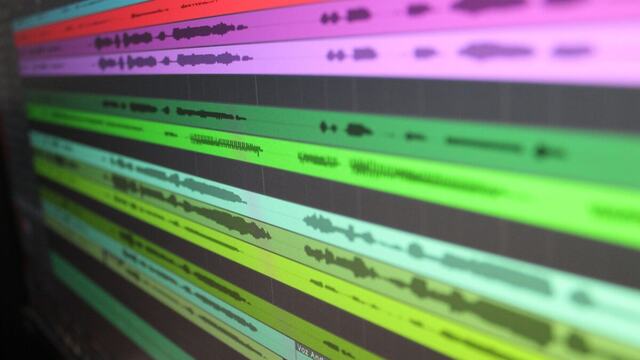
Fifth, align and balance. Drop both tracks onto a timeline, line up the first strong beats, and check that they stay locked as the sections progress. If they drift apart over the length of the track, the tempos were not truly identical, and you may need to regenerate one part or apply a small time stretch to bring it back in line. Pull the level of the supporting track down so the lead sits on top. Carve a little space in the frequencies where they clash, usually by easing back the low mids on whichever part is not carrying the bass. Sixth, arrange the whole thing. A mashup is still a song, so give it an intro, a moment where both parts hit together, a breakdown, and a finish. Then bounce your final mix and download the result for keeps. Because you built every layer, that finished file is entirely yours to use.
Generate parts built to blend
Set the same key and tempo for each piece, ask for an open pocket in the mix, and stack tracks that were made to fit. Start free and download the layers you like.
Open the free downloaderGenre-blend ideas to try
The fun of mashups is contrast, and building your own parts means you can chase blends that would be nearly impossible to find in existing records. Here are combinations worth generating, each one a pair of pieces locked to a shared key and tempo.
Try a lo-fi hip hop beat under an operatic or classical vocal line. The warmth of the beat and the drama of the voice pull against each other in a way that stays interesting for the whole track. Try a driving electronic dance groove under a folk or acoustic melody, so the organic top sits on a synthetic engine. Try a trap rhythm under a jazz piano or a soft brass part, letting the swing of the jazz fight the stiffness of the trap grid. Try a reggae or dub bassline under a pop vocal hook, or a rock guitar riff over a house four-on-the-floor kick. Country storytelling over a synthwave backdrop is stranger than it sounds and often works. So does a choral pad under a drum and bass break.
When you want the contrast to feel intentional rather than accidental, use the arrangement to introduce the two worlds one at a time before you collide them. Open on the anchor alone so the listener settles into it, then bring the second genre in at a section break so its arrival lands as a surprise. That reveal is the emotional core of a good mashup, the moment where the audience realizes these two things fit, and staging it deliberately makes a bigger impression than starting with everything stacked at once. You can also trade focus back and forth, letting the vocal lead through a verse while the second genre holds back, then flipping so the beat takes over and the vocal drops to a texture. Because you generated both parts, you can create alternate sections built for exactly these handoffs, generating a stripped version of each piece for the moments it needs to step back.
Keep experimenting with distance. The safe blends, two related genres at a comfortable tempo, are a fine place to learn the mechanics, but the memorable mashups usually reach further. Pair a genre built on space with one built on density, a genre that swings with one that marches, a warm human sound with a cold electronic one. The wider the gap you bridge, the more it feels like you discovered something rather than assembled it. And since every layer comes from parts you generated, you can chase those far-apart combinations freely, knowing that whatever lands, the finished blend belongs to you and carries none of the rights baggage that would follow the same experiment built from records you do not own.
The method is the same every time. Decide on the key and tempo, generate the first genre as your anchor with room to spare, then generate the second genre to fill that room, and blend. Because both were made to your spec, they lock together cleanly, and the only limit is how far apart the two worlds are that you decide to smash together. Keep a folder of pieces you generate in the same key and tempo, and over time you will build a little library of compatible parts you can mix and match into new blends whenever inspiration hits.
The honest bottom line
Mashups are one of the most joyful corners of music making, and AI has made the craft side genuinely accessible. You can match keys, lock tempos, and build complementary parts in an afternoon that would once have taken real studio skill. The one thing the tools cannot do is grant you rights to someone else's record. That part is on you, and the good news is that the honest path is also the freeing one. When you generate your own pieces and blend those, you skip the whole rights headache and end up owning the result outright.
So make the mashup you have been hearing in your head, the collision of two sounds nobody has put together yet. Just build it from parts that are actually yours. Set your key, set your tempo, generate the layers, download them, and stack them into something new. The finished track will be a real mashup, with the surprise and the energy that makes the form great, and it will also be yours to keep, share, and, depending on your plan and terms, put to work. That is the version worth making.