 Suno Downloader AI
AI music for hotels: sound for every area of the property
A guest forms an opinion of a hotel before they reach the front desk. The doors open, the air shifts, and the first thing that greets them, often without their noticing it, is sound. The right music at reception tells a traveler they have arrived somewhere calm and considered. The wrong music, or a silence broken only by rolling suitcase wheels, tells them something else. Because music works quietly on mood, it is one of the most underused tools in hospitality, and it is now one of the easiest to get right.
This guide walks through a hotel area by area, because a single playlist rarely suits an entire building. The energy that works at the pool would feel odd in the spa, and the warmth of an evening bar would sit strangely in a morning corridor. With AI music, you can produce a distinct sound for each space, tuned to what happens there, and keep it all connected by a shared style. Below, each section covers what a space needs, followed by notes on staying on-brand, building long loops, handling licensing for a commercial venue, and downloading your tracks so they are ready to play.
The lobby and reception
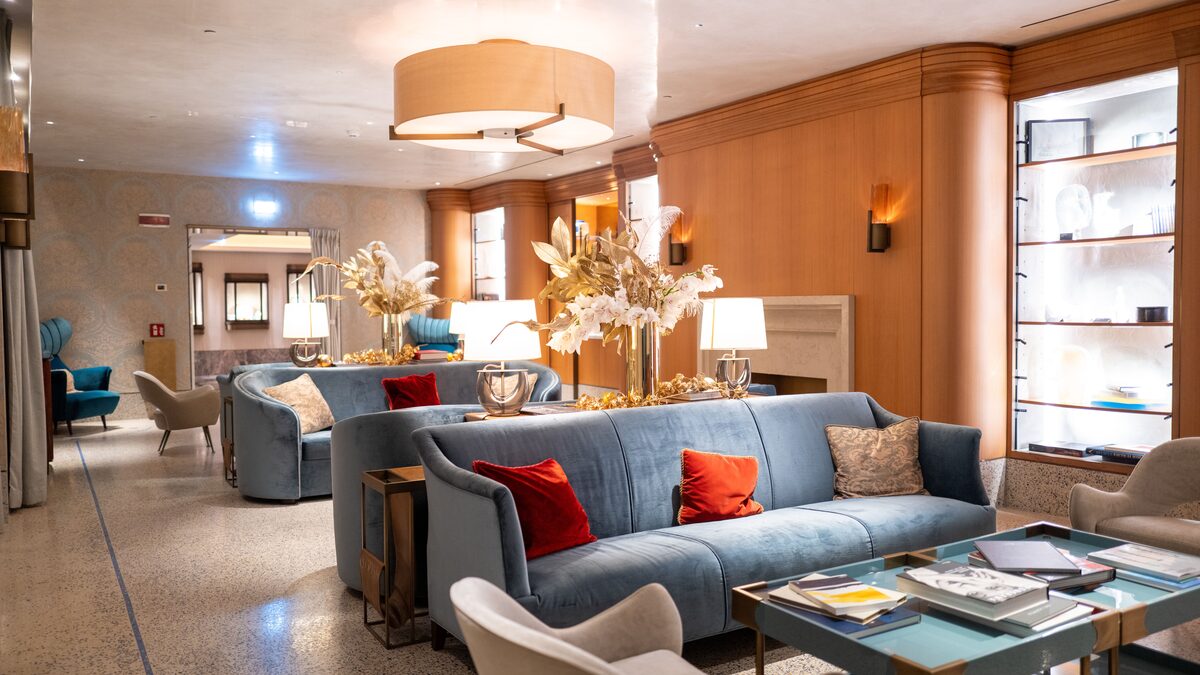
The lobby is the handshake. It sets the tone for everything that follows, so the music here should feel like the hotel's personality distilled into sound. A boutique property leaning into local character might use warm acoustic textures, soft guitar, or a gentle piano with a little room tone. A sleek city hotel might prefer clean, minimal electronic beds with a slow pulse. Whatever the style, the tempo should stay unhurried. People check in tired, sometimes stressed from travel, and the reception soundtrack is there to slow their breathing, not raise their heart rate.
Keep the arrangement uncluttered. A lobby has its own layer of sound already: footsteps, conversation, the ring of a phone, the ding of an elevator. Music that is too busy competes with all of that and adds to the sense of noise. When you write a prompt for a lobby track, ask for something spacious and warm, with a steady low tempo and no sudden dynamic jumps. Lyrics are usually a distraction at reception, so instrumental pieces work best. You want a guest at the desk to hear their own name clearly when a staff member speaks it.
Because AI tools let you generate many variations quickly, produce a small family of reception tracks that share the same instruments and mood. Rotating between them across the day keeps regular guests and staff from hearing the same loop too often, which is a subtle but real source of fatigue in any space where people spend hours.
It also helps to think about how the lobby sound changes with the hour. A morning arrival crowd is different from the evening return of guests coming back from dinner, and the reception music can shift gently to match. Keep the same instruments and character, but let a morning version feel a little brighter and an evening version settle into something warmer and lower. The change should be so subtle that no one notices it happening, only that the lobby always seems to suit the moment they walk into it.
The restaurant and bar
Dining spaces need music that shifts with the clock. Breakfast asks for something light and encouraging, a soundtrack that helps a slow morning feel gentle rather than sleepy. Lunch can carry a little more movement to match a livelier, quicker crowd. Dinner is where the mood deepens, and evening service in the bar is where music earns its keep, holding a room together and giving conversations a warm backdrop to lean against.
The trick in a restaurant is volume and density, not just style. Tables need to talk. Music that is too dense in the midrange, where human voices sit, forces people to raise their volume, and a loud room feels less comfortable and less expensive than a well-balanced one. Favor tracks with space in the middle: a walking bass, brushed drums, a piano or guitar with room around each note. For a bar later in the evening, you can bring the tempo and warmth up, adding groove without turning the space into a club unless that is the point.
With AI music you can build a full arc for a single venue: a morning set, a midday set, an evening set, and a late set, all sharing a recognizable sound so the restaurant feels like one place across the day rather than four different rooms. Generate each set, arrange the tracks in the order you want, and you have a soundtrack that follows the natural rhythm of service.
The spa and wellness area
A spa is the one place in a hotel where music is not background at all. It is part of the treatment. Here the goal is to lower the nervous system, and the sound design should feel almost weightless. Long, sustained tones, soft pads, slow harmonic movement, and very little rhythm all help a guest let go. Percussion is usually the enemy in a treatment room, because a beat keeps the mind counting time, and the whole point of the spa is to make time disappear.
Think in terms of slow tempo, gentle swells, and natural warmth. Some spas fold in quiet water or wind textures, and AI tools can produce instrumental beds that sit comfortably under those sounds. Keep the dynamic range narrow so nothing startles a relaxed guest. A sudden crescendo, no matter how beautiful, will pull someone out of the calm you spent twenty minutes building. If you offer several treatment types, you might give each its own subtle variation, a slightly brighter bed for an energizing treatment and a darker, deeper one for a nighttime ritual.
We wrote a companion piece on this topic that goes deeper into calm sound design, and it pairs well with the ideas here. See AI spa music: sound for calm spaces for treatment-room specifics.
Elevators and corridors
These are transition spaces, and they are easy to forget, which is exactly why they matter. A guest moving through a corridor or riding an elevator is between experiences. The right sound keeps the hotel's mood continuous so the walk from the lobby to the room does not feel like stepping into a service hallway. The wrong sound, or dead silence in a small elevator, makes the space feel institutional.
Corridor and elevator music should be the most restrained of all. It exists to be felt more than heard. Keep it very quiet, very simple, and closely related to the lobby sound so the transition is smooth. A guest should not consciously notice the music change as they leave reception and walk toward their room, only sense that the calm has followed them. Short, unobtrusive instrumental pieces are ideal, and because these spaces are passed through quickly, you can loop a small set without anyone lingering long enough to notice repetition.
Poolside and lounge
The pool and outdoor lounge are where a hotel gets to have a little fun. This is the daytime social heart of many properties, and the music can carry more energy and personality than anywhere else. Warm, sunlit grooves, relaxed electronic beats, or breezy tropical textures all suit a poolside afternoon. The mood is leisure, not intensity, so keep the tempo in that easy, floating range that makes people want to order another drink and stay a while.
As the day turns to evening, the lounge can shift with it. Bring the tempo down a touch, deepen the warmth, and let the daytime brightness settle into something more golden. AI music makes this transition simple, because you can generate a daytime pool set and a matching sunset set that share the same character but change the energy. The result is a space that feels alive at noon and intimate at dusk without ever losing its identity.
Outdoor sound also has practical demands. Open air swallows detail, and background noise from water, wind, and chatter is higher than indoors. Tracks with a clear, warm low end and simple arrangements tend to carry better outside than delicate, detailed pieces that lose their nuance in the open.
Keeping it on-brand and unobtrusive
Across every area, two principles hold a hotel's sound together. The first is brand consistency. Even though the pool and the spa sound nothing alike, they should feel like they belong to the same property. You can achieve this by choosing a palette of instruments or a production style and carrying it through every space, changing the energy and tempo while keeping the underlying character recognizable. A guest who moves through the building should sense one coherent world, not a collection of unrelated playlists.
The second principle is restraint. Hotel music is almost never meant to be the star. It is there to shape how a space feels, and the best background music is the kind guests never consciously notice yet would miss instantly if it vanished. Resist the temptation to use tracks that are too catchy, too loud, or too emotionally demanding. A song that makes someone stop and listen is a song that is pulling attention away from the conversation, the meal, or the rest they came for.
Long, uninterrupted loops
A practical challenge in any commercial space is length. Individual tracks are short, and a three-minute loop repeating all day will drive staff to distraction and eventually register with guests too. The solution is to build long, uninterrupted sets from many tracks that share a mood. Generate a generous batch of pieces in the same style for a given area, then arrange them into a playlist that runs for hours before it ever repeats. Because AI tools let you produce a large volume of on-style material quickly, assembling several hours of coherent sound for each space is realistic rather than daunting.
Pay attention to transitions between tracks. Order them so the energy flows naturally, avoiding a jarring jump from a quiet piece to a busy one. Small gaps of a second or two between tracks can help a set breathe, and consistent volume levels across the playlist keep the whole thing feeling smooth. Once a set is built, it becomes a reliable asset you can run day after day, refreshing it occasionally with new tracks to keep it from growing stale.
Licensing for a commercial space
Playing music in a hotel is a public, commercial use, and that carries licensing considerations most home listeners never think about. Traditionally, businesses either pay ongoing fees to performing rights organizations for the right to play popular recordings, or subscribe to a commercial background music service. Those costs add up across a property with many zones, and they never stop as long as the music plays.
Music you generate yourself with an AI tool changes that equation. Because the audio is your own original output rather than a commercial recording owned by a label, using it in your spaces sidesteps the library and performance fees tied to popular music. That can meaningfully lower the cost of soundtracking an entire hotel. The important caveat is that the terms attached to your AI music tool govern how you can use what you make, and commercial use often depends on your plan. Before you build a property-wide soundtrack, read the terms of the tool you are using and confirm that your plan covers commercial playback in a business setting. Own AI audio is copyright-safe in the sense that you are not borrowing someone else's recording, but the specifics of commercial rights come down to the plan and terms, so check them once and keep a record.
For a broader look at using AI music across a business, including retail and offices, our piece on AI music for business covers the wider picture.
Downloading your tracks so they are ready to play
Once you have generated and arranged the music for each area, you need the files in hand to play them through your sound system, load them into a media player, or hand them to whoever manages the hotel's audio. Streaming from a browser tab is not a workable way to run a commercial space. You want the actual audio files stored locally, organized by area, and backed up.
Our free downloader makes that last step simple. Once a track is created, you can download it as a clean audio file, save it under a clear name, and build your folders by zone: lobby, restaurant, spa, pool, and so on. Having the files locally means your soundtrack keeps playing even if your internet connection hiccups, and it makes it easy to update a media player or share a set with a new location. Build your library once, keep it organized, and refresh it when a space needs a new mood.
A little naming discipline pays off across a whole property. Label each file with its zone and its mood, and if you run morning and evening variations, note that too. When a manager at a second location asks for the same lobby sound, you can hand over a clearly organized folder rather than trying to remember which of a hundred tracks belonged where. For a growing group of properties, this small habit turns a pile of audio into a proper sound library that any team member can pick up and use. The goal is a system where the right music for any space is always a few clicks away, downloaded, named, and ready.
Get your hotel soundtrack ready to play
Made a set of tracks for the lobby, spa, or pool? Save them as clean audio files, organize them by area, and keep your soundtrack running without a browser tab open.
Open the free downloaderSound is one of the few design elements in a hotel that a guest experiences the entire time they are on the property, from the first step into the lobby to a quiet evening by the pool. Treating it area by area, with music that fits each space and shares one coherent character, turns background noise into a considered part of the guest experience. With AI music you can produce all of it yourself, tune it exactly to your property, and keep the whole thing running for a fraction of the traditional cost. Make the tracks, arrange the loops, check your terms, download the files, and let the sound do its quiet work.