 Suno Downloader AI
AI music for yoga: score your practice, class or home
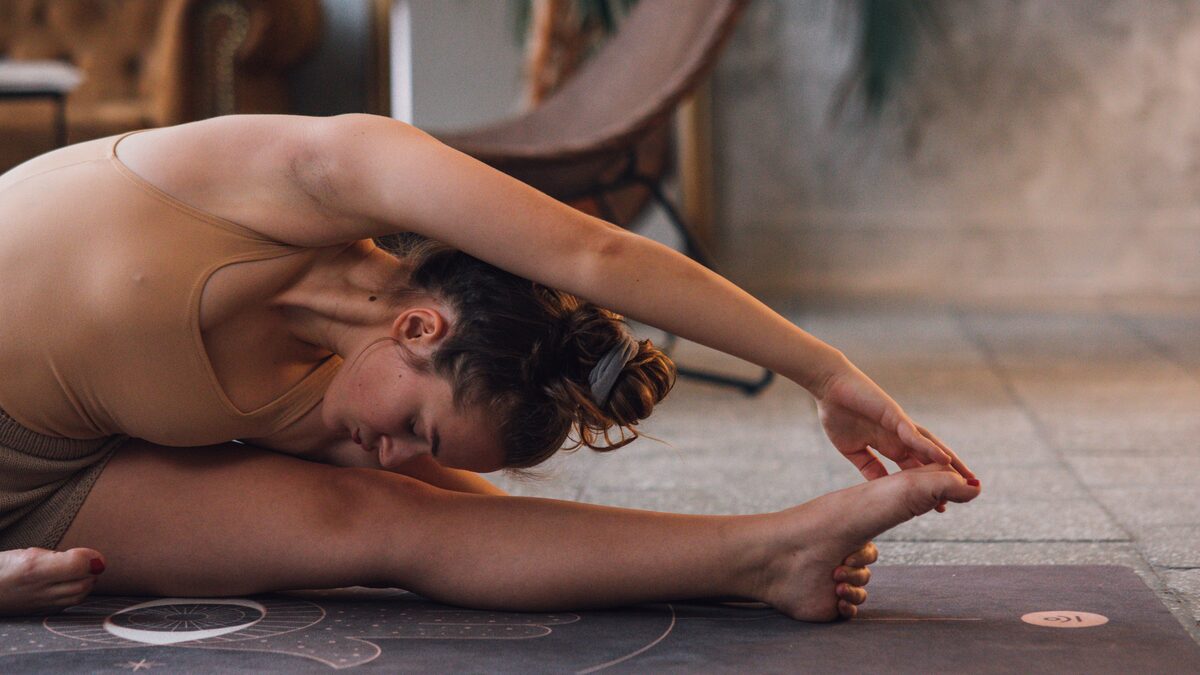
A yoga class is a shape. It starts quiet, builds to effort, holds at a peak, and then releases all the way back down to stillness. Good music follows that same shape. It does not sit at one energy the whole time, and it does not fight the arc of the practice. When the sound rises and falls with the bodies in the room, students stop noticing the music as a separate thing and simply move better. That is what you are building here: not a playlist of songs you happen to like, but a score that tracks the class from the first breath to the last.
AI tools make this practical in a way it never was before. You no longer have to hunt for tracks that happen to have the right tempo and no jarring lyrics. You can ask for exactly the mood and pace each phase needs, in the exact length you need, and get it. What follows is the arc of a class, phase by phase, with the feel, the tempo, and a prompt you can adapt for each one. After that we will cover teaching versus practicing at home, stitching the phases into one smooth class with no jolts, matching the sound to breath, and getting it all onto a device for the studio.
One more thing before the phases. A yoga score works best when it is instrumental and free of anything that pulls the mind into words or memories. A song students recognize, or one with clear lyrics, sends attention outward toward the singer and the story. That is the opposite of what a practice wants. So even though the phases below cover a wide range of moods, they share one rule throughout: keep it wordless, keep it instrumental, and let the students' own bodies be the only thing they are following.
The arc of a class, phase by phase
Here is the shape most classes follow, with what the music should be doing at each step:
- Opening and centering. The room settles, eyes close, attention turns inward. Mood: soft and spacious. Tempo: very slow or no clear pulse. Prompt: "Soft ambient drone, warm sustained pads, no beat, no melody, calm and spacious, gentle and grounding, very quiet." This is the doorway. Nothing should happen yet.
- Warm-up. Gentle movement begins, cat-cow, easy stretches, waking the body. Mood: warm and unhurried. Tempo: slow, around 60 to 70 beats per minute. Prompt: "Gentle flowing ambient with soft acoustic guitar or piano, slow and warm, light rhythm, no vocals, easy and open."
- The flowing sequence. Sun salutations and vinyasa, breath linked to movement, a steady stream of poses. Mood: steady and rhythmic, forward-moving but not aggressive. Tempo: 80 to 100 beats per minute, even and reliable. Prompt: "Steady downtempo groove, soft percussion, warm bass, hypnotic and repetitive, instrumental, flowing and even, no big changes."
- Peak or hold. The hardest poses, long holds, balances, the effortful heart of the class. Mood: grounded and strong, focused. Tempo: keep it steady, do not speed up. Prompt: "Grounded instrumental with a deep steady pulse, warm and focused, earthy percussion, no sudden swells, calm strength."
- Cool-down. Coming back to the floor, gentle twists, forward folds, the energy draining out. Mood: softening, releasing. Tempo: slowing, back toward 60 beats per minute. Prompt: "Slow warm ambient, gentle piano and pads, unwinding and soft, no beat, spacious and calm, gradually fading energy."
- Savasana. Final rest, complete stillness, the body absorbing the practice. Mood: near silence. Tempo: none. Prompt: "Very quiet ambient drone, single sustained tone, no melody, no movement, deeply still and warm, almost silent."
You do not have to use every phase for every class. A short morning flow might collapse warm-up and sequence into one. A restorative class might live almost entirely in the opening and savasana registers. But the shape is the guide, and once you have music for each phase you can mix and match to fit whatever you are teaching that day.
Centering: open the door softly
The first minute or two sets the tone for everything. Students are arriving mentally as well as physically, letting go of the drive over and the day behind them. The music here should feel like a held breath. No beat, because a beat implies you should be doing something, and centering is about arriving, not doing. Keep it low and warm. A single drone or a slow pad that barely moves is perfect. If you speak over it to guide the settling, keep the sound flat and quiet so your voice sits clearly on top.
A common mistake is to start with something too pretty or too composed. A lovely melody at the top of class makes students listen to the music instead of turning inward. Plainer is better. You want the room to soften, not to admire your track selection.
Think about the moment a student walks in and rolls out their mat. The music is already playing, so it is doing quiet work before you say a single word. If it is warm and unhurried, people slow down as they set up. If it is bright or busy, they stay in the hurried headspace they arrived with. This is why the pre-class and centering sound matter more than their length suggests. A gentle drone playing as students settle onto their mats does more to calm a room than any instruction you could give. Give that opening some room to breathe, and start the real practice from an already quiet base.
Warm-up: add gentle motion
As bodies begin to move, the music can pick up a little warmth and a hint of rhythm. This is where a soft acoustic texture works well, a fingerpicked guitar or a simple piano with space around the notes. The tempo is still slow, but now there is a gentle forward lean, matching the easy waking movements of the body. Keep it instrumental. Lyrics at this stage split attention, and part of the warm-up is helping students tune into their own bodies rather than following a singer's story.
Watch the dynamics. The warm-up should feel like a slow brightening, not a series of peaks and dips. Ask the AI for an even level and no dramatic swells. You are turning up a dimmer switch, not flipping lights on and off.
The flowing sequence: give them a steady pulse
This is the engine room of most classes, and it is the one phase where a clear, reliable rhythm truly helps. In a vinyasa flow, breath drives movement, and a steady groove underneath gives students something to move with. Downtempo works beautifully here: warm, repetitive, hypnotic, the kind of thing that keeps a pace without demanding attention. The word to hold onto is even. You want a groove that could run for ten minutes without any big event, because any sudden change in the music will throw students off the beat of their own breath.
Resist the urge to make this section exciting. Excitement is for a dance floor. In a flow, the music's steadiness is what lets students stop thinking and start moving. Repetition is a feature, not a flaw. Ask for hypnotic and looping, and let it carry the room.
Peak and hold: stay grounded
When the class reaches its hardest poses, long holds and balances, the natural instinct is to add drama to match the effort. Do the opposite. The students are already working hard; the music's job is to give them something solid to lean on, not to raise the stakes. Keep it grounded, with a deep steady pulse and an earthy quality. Warm low tones and simple percussion give a sense of strength without tension. Above all, no sudden swells. A student holding a balance on one leg does not need a cymbal crash pulling their focus. They need the floor to stay steady under them.
Cool-down: let the air out slowly
Now the arc turns back down. Movements get slower and closer to the ground, and the music should drain its energy to match. The rhythm thins out and eventually disappears. Bring back the warm pads and gentle piano from the warm-up, but softer and slower still, like the same instruments winding down after a long day. This is a gradual release, not a sudden stop. The goal is to carry students smoothly from effort toward rest, so nothing in the music should feel like a hard edge or a new beginning.
Savasana: near silence
Final rest asks for the least music of all. This is almost the same brief as the opening, but even quieter and more still. A single sustained tone, a barely moving drone, warmth with no events. Many teachers fade the music out entirely partway through savasana, leaving the room in real silence, and then bring a very quiet sound back to gently signal the return. If you do that, make sure both the fade out and the fade back in are slow and soft, so no one is startled out of a deep rest. The music here is a warm blanket, nothing more.
Teaching a class versus practicing at home
The setting changes what the music needs to do. In a class you are speaking over it constantly, cueing poses, offering adjustments, guiding breath. That means the music has to stay well below your voice and free of anything that clashes with speech. Keep it flatter and quieter than you would for solo listening, and avoid tracks with busy high frequencies that fight with the consonants in your words. In a large room with a real sound system, also watch the low end, because bass builds up in a space and can turn muddy.
Sound systems in studios vary wildly, and that changes what you should prepare. A small room with a single speaker will lose much of the low warmth, so a track that leaned on deep bass can end up thin. A larger space with a real system will do the opposite and build up bass until it turns muddy, especially in a room with hard floors and walls. If you teach in the same space regularly, get to know how it treats sound and pick or prepare your tracks to suit it. When you travel between studios, keep your music a little more neutral, without extreme lows or highs, so it holds up reasonably wherever you plug in. It is far easier to prepare balanced tracks than to fix a boomy room in the moment before class.
At home, practicing on your own, the music can be a little fuller and more present because it is not competing with a teacher's voice. You can let a beautiful pad breathe more, or let the flow groove sit a touch higher. You are your own audience, so the only rule is that the music supports your movement rather than distracting from it. A home practice is also the perfect place to test a new class score before you bring it to students, so you can hear where a transition bumps or a section drags.
Build a full-class playlist with no jarring transitions
Individual phase tracks are only half the job. Stitched together carelessly, they can jolt students out of the practice at exactly the wrong moments. The seam between two tracks is where problems live: a sudden silence, a jump in volume, or a clash of key or mood as one ends and the next begins.
A few habits keep the class smooth. First, order your tracks to follow the energy arc, so each one leads naturally into the next rather than lurching up or down. Second, use fades. End each track with a slow fade out and start the next with a gentle fade in, or overlap them slightly so one dissolves into the other. Most music players and simple editors let you set a crossfade of a few seconds between tracks, which hides nearly every seam. Third, keep the volume even across the whole set. If one track is much louder than its neighbors, it will feel like a jolt no matter how well the moods match. Level everything to sit at a similar quiet loudness before you build the playlist.
If you want the smoothest possible result, you can ask the AI to extend a single texture across a whole phase so there are fewer seams to manage in the first place. Fewer joins means fewer chances for a bump. For the phases that matter most, centering and savasana, a single unbroken track is often better than two shorter ones spliced together.
Match the music to the breath
Breath is the real metronome of yoga, and the best scores quietly support it. In the flowing sequence, aim for a tempo that sits comfortably with a full breath cycle. Many flows breathe roughly one full inhale-exhale every six to eight seconds, and a groove somewhere in that range helps students link movement to breath without thinking about it. You do not need to be exact. The point is that the music's pace should feel like it belongs to the same body as the breath, not to a faster or more anxious rhythm.
In the quiet phases, the connection is looser but still matters. Very slow, spacious music invites slower, deeper breathing, which is exactly what you want at the start and end of class. If your centering track is too busy or too quick, students' breath will follow it and stay shallow. Slow the sound down and their breath tends to follow it down too. This is one of the quiet powers of a good score: it shapes the room's breathing without anyone realizing it is happening.
There is a subtle version of this worth trying once you are comfortable. Some ambient tracks include a very slow swell that rises and falls over many seconds, almost like the music itself is breathing. When that swell is slow enough, students unconsciously match their breath to it, riding the rise on the inhale and the fall on the exhale. You can ask the AI for a slow tidal swell, or breathing pads, to get this effect. Keep it gentle and very slow, far slower than a normal breath at first, so it guides rather than rushes. Used lightly in the warm-up or cool-down, it becomes an invisible breathing cue that does the work of your voice without a word. Do not overuse it, though. In the flowing sequence you want a steady pulse, not a swell, and in savasana you want stillness. Save the breathing swell for the transitional phases where a gentle nudge toward slower breath is exactly what the body wants.
Ready to save your yoga playlist?
Paste your Suno link, choose MP3 or WAV, download. Free, no sign up.
Open the free downloaderDownload it for offline studio use
A studio is the worst place to rely on a stream. Wifi drops, phones ring, an ad breaks in during savasana, and suddenly the room's calm is gone. The only reliable setup is to have every track saved as a file on the device you teach from, playing locally with nothing to interrupt it. Once your phase tracks sound right, save each one with a free downloader and build your class playlist from the files, not from a streaming app. Choose MP3 for tracks you just need to play, since the files are small and work on any player. Choose WAV if you plan to edit, crossfade, or loop them in software, because the higher quality holds up better through editing.
Having the files also means you can reuse and remix your work. Once you have a solid centering track, a couple of flow grooves, and a good savasana bed, you can rebuild a class in minutes by reordering files, without hunting for anything new. Keep them named clearly by phase so you can grab the right piece at a glance. Build a small library over time and you will always have the right sound ready, offline, no matter what the studio's connection is doing that day. Your students feel the difference even if they never know why: the music simply never gets in the way.