 Suno Downloader AI
AI orchestral music: a tour of the orchestra
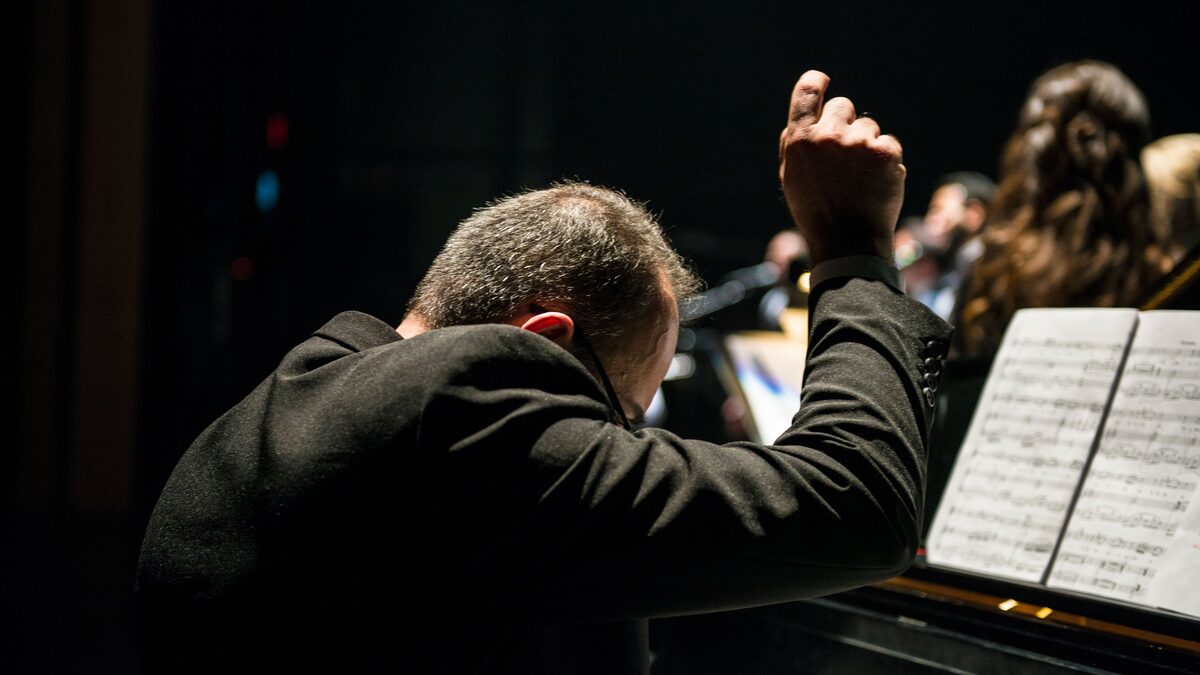
Stand in a concert hall the moment a full orchestra hits its first fortissimo chord and you feel it in your chest before your ears catch up. Ninety people, decades of practice each, breathing together to move air in a way no single instrument can. That physical force is what people are chasing when they type "epic orchestra" into a generator. The good news is that AI orchestral music can get you surprisingly close. The honest news is that an orchestra is really five families of instruments doing five different jobs, and knowing what each family does is the difference between a wall of noise and a piece that actually moves.
So let us walk through the orchestra the way a composer hears it, section by section, and be candid at each stop about what an AI orchestra generator does well and where it still falls down.
The strings carry the emotion
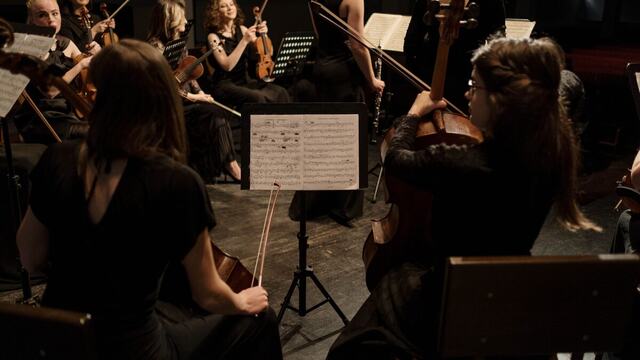
The string section is the heart of the orchestra, and it is usually the largest. Violins, violas, cellos, and double basses together span the full range of human hearing and, more importantly, the full range of human feeling. When a film makes you cry, there is a very good chance a string section is doing the heavy lifting underneath the scene.
Strings are expressive because of how they are played, not just what notes they hit. A long, slow bow gives you warmth and sustain. Short, bouncing bows give you energy and nervousness. Plucked strings, called pizzicato, give you a light, ticking pulse. Tremolo, a fast trembling of the bow, builds dread and tension. When you prompt for AI orchestral music, name these techniques. "Warm sustained strings" and "urgent staccato violins" and "trembling tremolo cellos" all pull the model toward a specific emotional texture rather than a generic pad.
Divide the section in your head, because the orchestra does. The violins usually carry the melody up top, the violas fill the warm middle, the cellos sing the counter-melody or hold the emotional low voice, and the double basses anchor everything at the bottom. When you prompt for AI orchestral music, you can hint at this layering by asking for "a soaring violin melody over rich cello harmony and a deep bass foundation." That single line tells the model to spread the writing across the range rather than pile everyone onto the same octave, which is one of the most common reasons an AI string passage sounds thin.
This is also where AI tends to perform best. Sustained string writing is forgiving. The generator does not have to nail a fast, exposed solo, it just has to hold a warm chord and swell, and modern models do that convincingly. If you want a quick win with an orchestral piece, start with a slow string-led passage and build outward from there.
Dynamics are the other half of what makes strings emotional. A phrase that starts quiet, swells to full volume, and eases back again feels like breathing, and that shape is what pulls a listener in. Words like "swelling," "crescendo," and "gentle and building" push the generator toward that arc instead of a flat, unchanging wall of sound. When a take gives you a genuinely moving swell, download it and hold onto it, because that exact shape can be hard to coax out twice.
Brass for power
When you need the music to feel heroic, huge, or triumphant, you reach for brass. Trumpets cut through everything with brightness and fanfare. Horns give you nobility and warmth and that classic movie-trailer swell. Trombones and tuba add weight and menace down low. Brass is the section that makes a room feel like something important is happening.
The trick with brass is that it is loud and it is proud, which means it is easy to overuse. In a real orchestra brass is often held in reserve and brought in for the big moments precisely so those moments land. If your entire prompt asks for "epic booming brass" from the first second, the payoff has nowhere to go. Instead, think about where the brass should enter. Ask for strings and woodwinds to set a scene, then bring in "bold heroic horns" for a climax. Structure creates power more than volume does.
The horn section deserves special mention because it is the emotional core of brass writing. French horns, played warm and full, give you that sound of nobility and longing that trailers reach for again and again. Six or eight horns in unison, swelling into a phrase, is one of the most stirring sounds an orchestra can make. Ask specifically for "warm French horn section swelling into a heroic theme" when you want that feeling, rather than a generic "brass," which can drift toward harsh trumpets.
Brass is a mixed bag for AI. Big, blocky brass chords come back sounding grand and work well. Fast, articulated brass runs and exposed solo trumpet lines are much harder, and the generator often smears them or makes them sound synthetic. Write to the strength: block chords and swells rather than nimble fanfares, at least until you have the rest of the piece working.
Woodwinds for colour
If strings are the heart and brass is the muscle, woodwinds are the paintbox. Flutes float on top with air and light. Oboes have a reedy, slightly plaintive voice that reads as longing. Clarinets are smooth and flexible, at home in both a lullaby and a klezmer dance. Bassoons add a woody, sometimes comic low voice. None of them can outshout the brass, and that is the point. Woodwinds add detail and character in the spaces the bigger sections leave open.
Because woodwinds work through small, exposed lines, they are a good way to give an orchestral piece personality. A single oboe melody over quiet strings can carry an entire emotional scene. When prompting, ask for "a solo flute floating above soft strings" or "a mournful oboe melody" and keep the surrounding texture thin so the woodwind has room to speak.
This is also, honestly, where AI struggles the most. Solo woodwind lines are exposed by nature, and the little imperfections that make a real oboe sound alive, the breath, the slight bend into a note, the way the tone changes across the range, are exactly what current models flatten out. An AI solo flute can sound a little glassy or plasticky. You can work with this by keeping woodwind moments short and supported by other instruments, rather than asking the model to hold a long, naked solo it cannot quite sell.
Score your scene
Generate orchestral passages in Suno, then save clean audio files to edit and arrange your cue however you like.
Open the free downloaderPercussion and impact
Orchestral percussion splits into two jobs. There is the pitched, musical percussion, timpani above all, which can play actual notes and drive the harmony forward with rolls and hits. Then there is the unpitched, dramatic percussion: the crash of cymbals, the boom of a bass drum, the shimmer of a suspended cymbal swelling under a build. Together they give an orchestra its punctuation. A timpani roll under a rising string line is one of the oldest and most reliable ways to build excitement in all of music.
For AI orchestral music, percussion is your friend because impact hides imperfection. A big timpani hit or a cymbal crash at the top of a climax is dramatic enough that the ear forgives a lot of what is happening around it. Prompt for "thundering timpani rolls building to a cymbal crash" when you want a peak, and use quiet, ticking percussion, or none at all, when you want intimacy.
Do not overlook the quieter members of the percussion family, either. A harp is technically a string instrument but lives in this corner of the orchestra, and a single harp glissando can add sparkle and magic to a moment nothing else can touch. A triangle, a glockenspiel, or a set of tuned chimes brings light and shimmer to the top of the texture. Ask for "a delicate harp glissando" or "shimmering glockenspiel" when you want wonder rather than force, and you will find these small touches carry an outsized amount of the atmosphere.
Be careful not to let modern drum sounds creep in unless you want them. If you write "epic" without qualifying it, some generators reach for cinematic hybrid percussion, those big trailer booms that belong more to a game soundtrack than a symphony. If you want a purely classical sound, say "orchestral percussion only, no drums" and see whether the model respects it.
Where AI orchestral falls short (and how to work with it)
Now the candid part, because pretending the technology is flawless helps nobody. There are a handful of places where AI orchestral music reliably struggles, and knowing them lets you plan around them instead of fighting the generator take after take.
First, real orchestras breathe together. Players listen to each other and push and pull the tempo in tiny ways, a slight slowing into a big moment, a lift out of it. AI tends to play everything at a steady, mechanical pulse. The result can feel a little stiff, especially in slow, emotional passages that live or die on that human rubato. You cannot fully fix this from a prompt, but asking for "expressive, rubato phrasing" sometimes loosens it, and editing the final audio to nudge dynamics helps.
Second, balance between sections is often off. A live conductor spends much of their job making sure the flute is not buried under the cellos. AI mixes everything at once and does not always know which line is the melody. If your important melody keeps disappearing, simplify the prompt so fewer things compete, or generate the melody-led passage separately and layer it in.
Third, long-form structure is weak. A symphony develops a theme over many minutes, transforming it, revisiting it, resolving it. Generators are much better at a compelling ninety-second mood than a ten-minute argument. The practical answer is to compose in blocks. Generate strong short sections with a consistent theme, download each one, and arrange them into a longer form yourself, controlling the development by hand.
Fourth, exposed detail exposes the seams. We covered solo woodwinds, but the same is true of any thin, uncovered passage. AI orchestral music sounds most convincing when it is full and moving. The more instruments playing, the more the ear reads it as real. Thin textures invite scrutiny the model cannot always survive, so use them sparingly and deliberately.
Fifth, articulation gets flattened. A real orchestra plays with a huge vocabulary of attacks, notes that are short and sharp, notes that are smooth and connected, notes that are accented or feathered. AI orchestral music often defaults to a single, medium articulation and applies it everywhere. You can push against this by naming the articulation you want, "sharp staccato strings" or "smooth legato phrasing," but do not expect the model to switch cleanly between them within one passage the way a live section would.
There is a mindset that makes all of this easier to accept. Treat the generator as a talented sketch artist rather than a full orchestra on call. It is brilliant at handing you a convincing mood, a color, a starting idea, in seconds. It is not going to deliver a finished, nuanced symphonic performance ready for a concert hall. Once you hold that expectation, the limits stop feeling like failures and start feeling like the natural edge of a very useful tool. You generate the raw material, you keep what works, and you shape the rest by hand.
None of this means the tool is not worth using. It means you write to its strengths. Lead with strings, use brass and percussion for impact, sprinkle woodwind colour, keep textures full, and build long pieces from strong short blocks. The table below turns common moods into prompt language you can adapt.
| Mood | Lead section | Prompt starting point |
|---|---|---|
| Heroic triumph | Brass | Epic orchestral, bold heroic horns and trumpets, soaring strings, thundering timpani, major key, triumphant and grand |
| Tender sadness | Strings | Slow orchestral, warm sustained strings, solo cello melody, gentle piano, minor key, tender and mournful |
| Rising tension | Strings and percussion | Building orchestral tension, trembling tremolo strings, low brass swells, timpani roll rising to a cymbal crash, ominous |
| Magical wonder | Woodwinds | Light orchestral, sparkling flutes, harp glissando, soft strings, playful and enchanted, gentle and airy |
| Dark menace | Low brass and strings | Dark orchestral, growling trombones and tuba, tremolo cellos, dissonant harmony, slow and threatening, cinematic dread |
One more habit pays off across every mood: keep the arrangement moving in and out of fullness. A piece that stays loud and full from start to finish exhausts the ear, and it hides the very contrast that makes the big moments feel big. Let a passage thin down to a single cello, then grow back to the whole orchestra, then pull back again. That ebb and flow is what a listener remembers, and it is entirely under your control when you generate sections separately and arrange them yourself.
Work through the orchestra the way a composer does, one family at a time, and AI orchestral music becomes far less of a lottery. You stop typing "epic orchestra" and hoping, and you start making decisions, strings here, brass there, a flute for colour, timpani for the peak. When you find takes that work, download them and treat them as raw material, sections you can trim, layer, and arrange into a piece with a real shape. The AI orchestra generator is a remarkable sketchpad. The composing, the sense of which instrument should speak and when, is still the human part, and that is exactly what makes the results sound like yours.