 Suno Downloader AI
AI piano music: moods and uses for solo piano
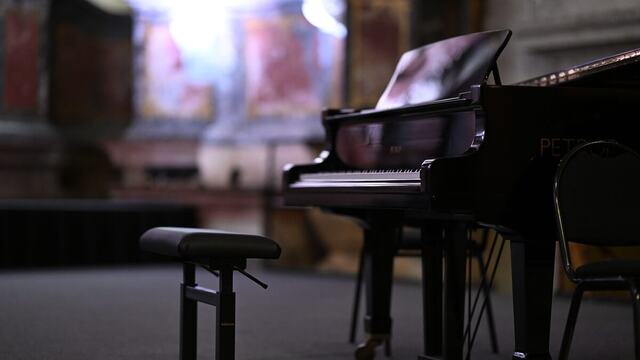
A single piano can hold a room. No band, no production, no arrangement to hide behind, just hammers on strings and the space between the notes. That directness is why solo piano moves people so quickly and why it is such a rewarding thing to make with Suno. There is nowhere for the emotion to get lost. When you ask for AI piano music, you are asking for the most exposed instrument there is, and a little care in how you describe the mood goes a long way.
This guide is organized around feeling and use rather than technique, because that is how solo piano is actually chosen. People do not reach for a piano piece because of its chord voicings. They reach for it because they want to feel calm, or moved, or focused, or wrapped in a warm late-night glow. Below are the moods a piano does best and the words that help an AI piano generator find each one.
One thing to settle before any of that is the kind of piano you are picturing, because the word piano covers several very different instruments. A grand piano is bright, resonant, and full, the sound of a concert hall or a film score. An upright is smaller and more intimate, closer and a little woodier. A felt or prepared piano, where soft felt is placed against the strings, is muted and hushed, almost whispered, which is why it turns up so often in gentle ambient and study music. Naming the instrument in your prompt is a quick way to set the whole character before you say a single word about the mood. A felt piano and a bright grand playing the same slow melody feel like two different pieces.
Why solo piano works so well
The piano covers an enormous range, from deep bass to bright high notes, so one instrument can carry both the melody and its own accompaniment. That completeness is why a solo piano never sounds empty the way a single guitar or a lone voice might. It is a whole ensemble in one instrument, which makes it ideal for AI generation where a full arrangement can quickly turn cluttered.
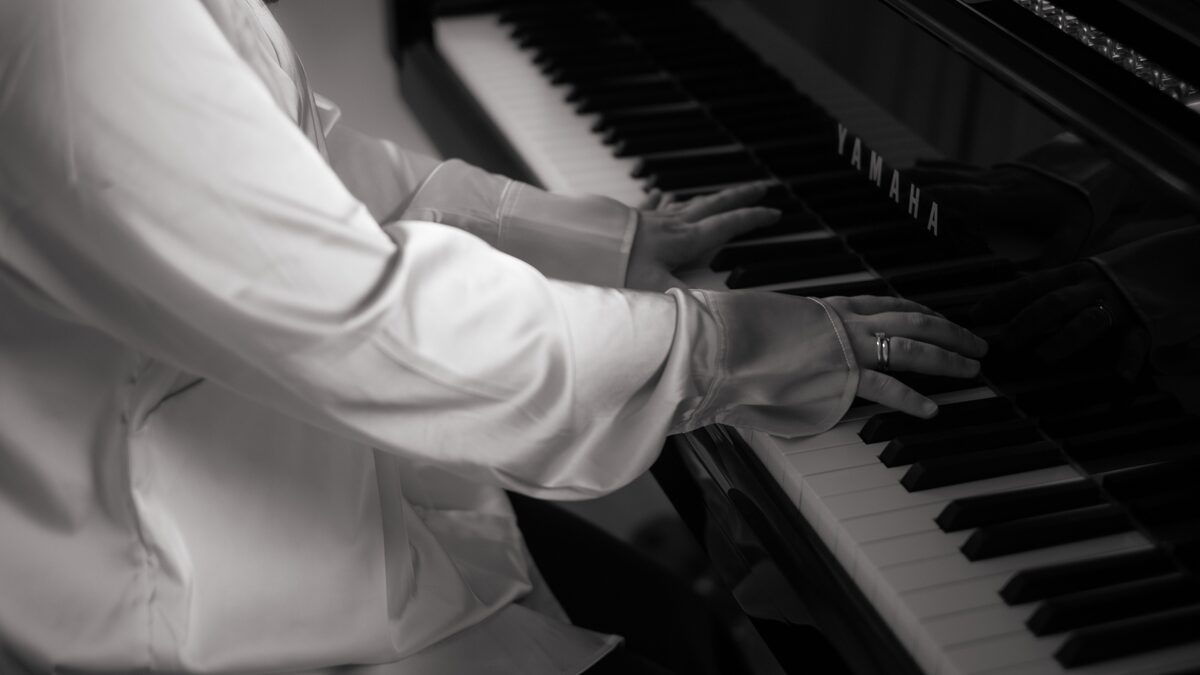
It is also honest about dynamics. A piano gets its expression from touch, how hard or soft each note is struck, and from timing, how notes are held, rushed, or allowed to breathe. When you prompt, these are the levers to reach for. Words about touch and pace shape the feeling far more than any request for a specific key or chord. A gentle, unhurried piano and a bold, driving one can play the same notes and land as completely different pieces.
Because there is so little else in the mix, small choices carry weight. The amount of reverb, whether the sustain pedal blurs the notes into a wash or lets them ring cleanly, and how much space sits between phrases all change the character. You do not need many words to describe a piano piece well. You need the right few.
Before the individual moods, it helps to see how they sit next to each other. The table below lines up the four main styles this guide covers with the instrument and feel that suits each one, so you can pick a starting point at a glance and then read the section that matches.
| Style or mood | Instrument and feel to reach for |
|---|---|
| Calm and reflective | Felt or soft piano, slow tempo, sparse notes, plenty of space, gentle and intimate |
| Emotional and cinematic | Bright grand piano, wide dynamics, rich chords, a rising arc toward a peak |
| Jazzy and lounge | Warm grand or upright, swung rhythm, extended chords, relaxed and mellow |
| Focus and study | Even soft piano, steady pace, simple repeating patterns, no dramatic changes |
Calm and reflective piano
The most common reason people want piano music is to slow down. Calm, reflective piano is spare and unhurried, with simple melodies, gentle dynamics, and plenty of room to breathe. Think of the quiet solo pieces that soundtrack a still morning or a long thought. The notes are few and the silences are part of the music.
To get this from Suno, ask for a slow, gentle solo piano with a simple melody, soft dynamics, and a reflective mood. Words like tender, sparse, and unhurried keep the model from filling every bar with notes. A little reverb adds intimacy and makes the piano sound like it is in a real room rather than pressed flat. The mistake to avoid is asking for anything busy or virtuosic, since that pushes the result toward showy playing that breaks the calm.
Tempo does a lot of the work here. A slow piece naturally reads as peaceful, so state a relaxed pace directly. If a take comes back too active, add words like minimal and spacious and ask for fewer notes and longer held chords. Calm piano is as much about what is left out as what is played.
This is the style where a felt piano earns its place. The muted, cushioned tone takes the edge off every note and makes even a simple melody feel private and close, like something played late at night without wanting to wake anyone. Pair it with a slow tempo and generous space and you get the hushed, intimate sound that has become the standard for calm playlists. If your calm take feels a little too clear or bright, swapping in a felt or soft piano is often a faster fix than changing any of the notes, because it changes the whole texture at once rather than one detail.
Emotional and cinematic piano
When a piano needs to carry real emotional weight, it shifts from spare to swelling. Cinematic piano builds. It starts gently and grows, with rising dynamics, fuller chords, and a sense of a story arriving somewhere. This is the sound of a film's quiet turning point, the piece that makes a scene ache. It keeps the intimacy of solo piano but adds drama and movement.
Ask for an emotional cinematic piano piece that builds, with a rising dynamic arc, rich chords, and a heartfelt, moving mood. The word building is doing important work: it tells the model the piece should not stay at one level but grow toward a peak. Terms like bittersweet, longing, and hopeful steer the emotional color, and a piano is expressive enough to carry any of them clearly.
This is also where a touch of space and reverb pays off, giving the piece a sense of grandeur without adding instruments. If you want the drama pushed further while keeping it solo piano, ask for bold dynamics and a powerful climax. If you want more restraint, ask for the build to stay gentle and understated. Either way, the arc is the point. A cinematic piece that never rises is just a calm one, and a calm piece that keeps swelling loses its stillness.
A bright grand piano suits this mood far better than a felt or upright, because the drama needs the instrument's full resonance and reach. When the piece climbs toward its peak, you want the low notes to rumble and the high ones to ring, and a muted piano cannot deliver that. If you are scoring a video or a personal project and need the music to carry a moment of real weight, ask for a grand piano with a wide dynamic range and let it open up at the climax. The contrast between a soft, tentative opening and a full-bodied peak is exactly what makes these pieces feel like they are telling a story rather than just playing pretty notes.
Jazzy and lounge piano
Piano has a whole other life in jazz and lounge settings, warm and loose where the calm styles are still. Jazzy piano leans on richer, more colorful chords, a swung rhythm, and a relaxed sense of improvisation. It sounds like a late-night bar, a hotel lobby, or a quiet dinner. The mood is sophisticated and easy rather than emotional or dramatic.
To find it, ask for a jazzy solo piano with warm extended chords, a gentle swing feel, and a relaxed lounge mood. Words like smoky, mellow, and late-night set the scene, and asking for a swung or shuffled rhythm gives it that unmistakable jazz lilt instead of a straight, even pulse. A little improvisational feel in the melody keeps it from sounding stiff or written-out.
You can steer the energy within the style. A slow ballad reads as intimate and romantic, while a mid-tempo swing feels lively and social, the kind of thing that fills a room without demanding attention. Name the pace and the setting and the model will find the right pocket. Lounge piano is meant to be easy company, so it should never feel like it is working hard.
Piano for focus and study
A lot of people search for piano music not to listen closely but to work alongside. Study and focus piano is designed to stay in the background, a steady, unobtrusive backdrop that supports concentration without pulling attention. It shares the calm style's gentleness but adds consistency, keeping an even mood and pace so nothing jolts you out of your task.
Ask for a calm, steady solo piano for focus, with a consistent gentle flow, simple repeating patterns, and no dramatic changes. The words steady and consistent matter here, because a piece that swells or surprises defeats the purpose. Flowing, repeating figures work better than strong melodies, since a memorable tune tends to grab the ear you are trying to keep on your work.
Length and evenness are the practical concerns. For focus you want something that holds one mood for a long stretch, so keep the request simple and avoid asking for builds, drops, or big dynamic shifts. If a take has a section that draws too much attention, regenerate toward something flatter and more even. Good focus piano is almost invisible, which is exactly why it works.
There is a useful distinction between focus music and study music, even though the two overlap. Focus music is for deep, absorbing work where you want to forget the audio entirely, so it should be as plain and steady as possible. Study music can carry a little more warmth and gentle movement, because reading and reviewing tolerate a touch more character than heads-down problem solving. If you find a flat, even piece too sterile to sit with, adding a small amount of melodic interest tips it from focus toward study without turning it into something you actively listen to. Matching the piece to the kind of work you are doing is worth a moment's thought before you generate.
Getting an expressive feel from prompts
Across all these moods, the same small set of levers shapes the result: tempo, touch, space, and harmonic color. State the mood plainly, name the pace, describe how the notes should be played, and add just enough about reverb and space to place the piano in a room. Here are fragments to adapt for each style.
| Mood or use | Prompt fragment to try |
|---|---|
| Calm and reflective | Slow gentle solo piano, simple sparse melody, soft dynamics, unhurried, reflective mood, light reverb, plenty of space |
| Emotional and cinematic | Emotional cinematic solo piano that builds, rising dynamic arc, rich chords, bittersweet and hopeful, spacious reverb, powerful climax |
| Jazzy and lounge | Jazzy solo piano, warm extended chords, gentle swing feel, mellow late-night lounge mood, relaxed improvisation |
| Focus and study | Calm steady solo piano for focus, consistent gentle flow, simple repeating patterns, even mood, no dramatic changes |
| Expression fix | Add: expressive human touch, natural timing, dynamics that breathe, sustain pedal ringing softly |
Generate a few takes and listen for the touch as much as the notes. The difference between a flat, mechanical piano and one that feels played by a person usually comes down to timing and dynamics, so it is worth asking for a natural, expressive feel and regenerating until the playing breathes. A technically correct take that sounds like a machine is worse than a slightly looser one that sounds alive.
As with any style, changing one thing at a time between takes is the fastest way to close in on what you want. If the mood is right but the playing feels stiff, keep the prompt and only add language about natural timing and expressive touch. If the feel is good but the tone is wrong, keep everything and swap the instrument from grand to felt or upright. Because solo piano has so few moving parts, each word in the prompt has a visible effect, which makes this kind of careful nudging especially rewarding here. You can often hear exactly which change made the difference.
When you have a piece that carries the mood you wanted, download it so you can loop it under a study session, place it behind a video, or keep a small library of calm and cinematic pieces ready to reach for. Solo piano files are light and easy to grab, and having them saved means you can build a whole collection of moods without going back to make each one again. A saved folder sorted by feeling, one for calm, one for focus, one for late-night jazz, turns into a personal library you can pull from whenever a moment calls for it, without waiting on a new generation each time you simply want something quiet to play.
Keep the piece you love
Found a take that says exactly what you meant? Pull the MP3 or WAV down in a moment and keep the piano on your own drive.
Open the free downloaderSolo piano asks for a gentle hand in the prompt. Decide the mood first, whether you want calm, emotion, warmth, or quiet focus, then set the pace and describe the touch that carries that feeling. Reach for the right few words rather than piling on detail, and let the space between the notes do its work. Get those choices right and Suno will give you a piano that sounds like it means every note, which is the whole reason one instrument alone can hold a room.