 Suno Downloader AI
AI song for veterans: a tribute of gratitude and respect
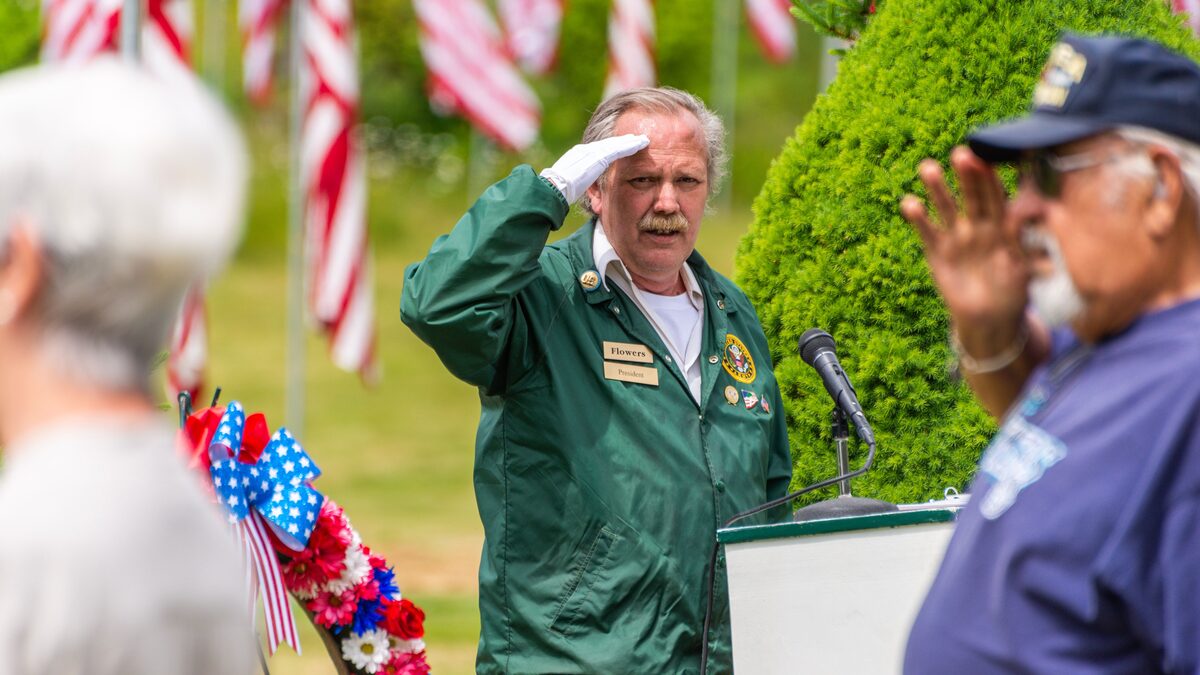
Some forms of thanks are hard to put into words. When someone has served, spent years away from family, carried memories most people will never fully understand, a card can feel too small and a speech can feel too stiff. Music sits in the space between. A song can say what a handshake cannot, and it can hold gratitude in a form that lasts longer than a single ceremony or a single afternoon. That is why more people are creating personalized songs to honor the veterans in their lives, and why doing it with care matters so much.
A tribute song for a veteran is not about spectacle. It is about respect. Done thoughtfully, it becomes something a family plays every Veterans Day, something a community shares at a homecoming, something a grandchild keeps long after the person it honors is gone. This guide walks through how to write one with the dignity the subject deserves, what themes belong in it, which styles suit a tribute, and how to present it in a way that lands.
Start with respect, not volume
The most common mistake in a tribute song is confusing loudness with honor. A song does not have to be a booming, flag-waving anthem to show gratitude. In fact, the most moving tributes are usually quiet ones. They speak plainly, they avoid slogans, and they treat the veteran as a person rather than a symbol. Before writing a single line, it helps to decide what feeling you want the listener to walk away with. For most tributes, the answer is a mix of gratitude, quiet pride, and tenderness, not adrenaline.
This matters because service means very different things to different people. For some veterans, their time in uniform is a source of deep pride. For others, it carries loss and difficulty they would rather not have dramatized. A respectful song leaves room for both. It honors the service without pretending to know the whole of someone's experience, and it thanks the person without turning their life into a highlight reel. Keeping the tone sincere and grounded is what separates a tribute from a jingle.
Decide who the song is for
There are two broad ways to approach a veterans tribute, and choosing between them shapes everything else. The first is a song for a specific person: your grandfather, a friend, a parent, a member of your community. The second is a general tribute meant to honor all who served, the kind of song that fits a Veterans Day gathering or a public ceremony.
A song for a specific veteran is the more personal of the two, and often the more powerful. Here you can name the person, reference where and when they served, and weave in details only their family would know: the years they were away, the letters they wrote home, the quiet way they never talked much about it, the pride the family carries. Those specifics are what make a listener's throat tighten. Gather them the way you would for any heartfelt gift. Ask family members for a memory or two, find out what the veteran themselves would want said and, just as importantly, what they would not want said.
A general tribute takes a wider view. Instead of one name, it speaks to the shared experience of service: leaving home, standing watch, coming back changed, the ones who did not come back at all. This version works well when the audience is a mixed crowd rather than a single family, and it lets everyone in the room see their own veteran in the words. Both approaches are valid. The choice simply depends on who will be listening and what you want the song to do.
Create a tribute worth keeping
Describe the veteran you want to honor, choose a dignified style, and generate a heartfelt song. Then download it so the family has a clean copy to keep and share for years to come.
Open the free downloaderThemes that belong in a tribute
Certain ideas sit at the heart of almost every good veterans song, and reaching for them gives the writing a foundation. The first is service itself: the choice to step forward, to take on a duty most people never will. Naming that choice plainly, without exaggeration, is a form of respect in itself. You do not need grand language to honor it. Simply acknowledging that someone gave years of their life to something larger than themselves carries real weight.
The second theme is sacrifice. This is the harder ground, and it should be handled gently. Sacrifice can mean missed birthdays and holidays, distance from family, physical or emotional wounds, and for many families, the loss of someone who did not return. A tribute does not have to dwell on grief to acknowledge it. A single honest line about what was given up often says more than a whole verse of dramatics.
The third theme is homecoming, and it is the one that most often brings warmth to a tribute. The image of a veteran coming home, being welcomed, finding peace after service, gives a song somewhere hopeful to land. Even a tribute to someone no longer living can find its way to a homecoming of a different kind: the idea of rest, of a duty honorably completed, of a person held in the memory of the people who loved them. Ending on that note leaves the listener with gratitude rather than only sorrow.
Choose a dignified style
The sound of the song should match its seriousness. For most tributes, a restrained, acoustic approach works best. A gentle acoustic ballad, a slow piano piece, or a folk arrangement with a single clear voice puts the words front and center and lets the emotion breathe. These styles feel honest and unhurried, which is exactly right for a subject this weighty.
When you describe the song to a generator, ask for that restraint directly. Something like: "A slow, dignified acoustic ballad honoring a veteran. Gentle guitar and a warm, sincere vocal. Grateful and reflective, respectful, not overproduced." That kind of direction keeps the tool from reaching for bombast. If you want something with a little more lift for a ceremony, a stately, hymn-like arrangement or a slow build toward a hopeful final chorus can work, as long as it never tips into bravado.
Steer away from anything that feels aggressive or triumphant in a chest-thumping way. A tribute is not a battle cry. The goal is to leave people feeling grateful and moved, and that comes from warmth and sincerity far more than from volume. If a first version comes back too big or too showy, adjust the description toward softer instrumentation and try again. It costs nothing to generate another take, and it is worth taking the time to get the tone exactly right for something this meaningful.
One note on originality: ask for an original melody and original words written for this tribute rather than a rework of an existing patriotic standard. An original song feels more personal and more sincere, and it means the tribute is truly yours to give rather than a version of something already familiar.
Writing words that hold up
The lyrics carry most of the weight in a tribute, so they deserve a little extra thought. The instinct is often to reach for big, sweeping language: freedom, glory, heroes, the words that show up in every patriotic broadcast. The problem is that those words have been used so often that they slide right past the ear without landing. Specific, plain language does far more. A line about a father who kept his uniform pressed in the closet for forty years, or a mother who wrote to her son every single week he was deployed, tells the listener something true and particular. That is what makes a person stop and feel it.
When you give the generator direction on the words, point it toward that concreteness. Mention the real details you gathered rather than asking for a generic salute. If you are honoring a specific veteran, feed in the branch they served in, an era or a place if it feels right, and one or two human details the family holds close. If it is a general tribute, ask for imagery of everyday service and homecoming rather than slogans: the packed duffel bag, the long flight home, the porch light left on. Grounded images age better than grand declarations, and they let each listener bring their own veteran to the song.
It is also worth reading the finished lyrics out loud before you settle on a version, ideally with someone who knew the veteran or understands the setting. A line that looks fine on the screen can land wrong when spoken, and a tribute is not the place for an awkward phrase. If something feels off, adjust the description and generate again until the words sit right. Patience here pays off, because a tribute is something people will hear more than once.
Occasions where a tribute fits
A veterans song has a natural home at several moments, and knowing where it will be played helps you shape it. Veterans Day is the obvious one. A song written for the occasion can open or close a family gathering, play during a moment of reflection, or be shared with a wider community that wants to mark the day with something more personal than a generic post.
A homecoming is another powerful setting. When a service member returns, a song written to welcome them, using their name and speaking to what the family felt while they were away, turns an already emotional moment into one nobody forgets. Here the tone can lift a little more, leaning into joy and relief, because the occasion itself is a celebration.
Ceremonies and memorials call for the most careful handling. If the song will be played at a formal event or in memory of someone who has passed, dignity is everything. Keep it slow, keep it sincere, and make sure the words would sit comfortably in a room full of people who knew and loved the person. In these settings especially, having the finished song downloaded and saved on a device beforehand matters, because you do not want a weak signal interrupting a solemn moment.
Present it with care
How you share the song shapes how it is received. For a private tribute to a family member, consider a quiet setting rather than a crowded one. Sit the veteran down, tell them you made something for them, and let them listen without a big audience if that suits their temperament. Many veterans are private about their service, and a gentle, low-key presentation honors that. Printing the lyrics on a card so they can read along, and keep afterward, adds a lasting physical piece to the gift.
For a public tribute at a gathering or ceremony, a few words of introduction help set the tone. Explain briefly who the song is for and why you made it, then let it play. Keeping your own remarks short lets the music carry the weight, which is what it is there to do. If the song honors a specific person in the room, watching the faces of their family as it plays will tell you everything about whether you got it right.
It is also worth thinking about who else might want a copy. A tribute made for one veteran often means a great deal to a wider circle: siblings, children, old friends who served alongside them, members of a local veterans group. Sharing the song with them, rather than keeping it to a single occasion, extends the gesture and lets more people feel included in the gratitude. Many of them will keep it and return to it on their own, which is exactly the kind of quiet, lasting reach a good tribute should have.
Timing matters too. If you can, avoid springing an emotional tribute on someone in a moment when they are already overwhelmed or in front of a crowd that might make them uncomfortable. Read the person. Some veterans will be honored to be celebrated publicly; others will feel far more moved by a private listen with only close family present. Matching the setting to the individual is part of the respect, and it is the difference between a tribute that feels thoughtful and one that feels like a spectacle they did not ask for.
In every case, save the finished track properly so it outlasts the occasion. Downloading the song gives the family a clean copy they can replay every year, send to relatives who could not attend, or keep as part of the record of a life. A tribute is meant to endure, and a saved file makes sure it does. Get it onto a device, share it with the people who will want it, and know that you have created something that can be returned to whenever gratitude needs a voice.
A lasting form of thanks
There is something fitting about honoring service with something made by hand, or in this case, made with care and intention. A song for a veteran is not a grand monument. It is a small, personal act of gratitude, the kind that fits in a phone and plays in a living room, and yet it can carry more feeling than a far larger gesture. It says, in a form that lasts, that the service was seen, that the sacrifice was understood, and that the person behind the uniform is loved.
Whether you are honoring one specific veteran with their name in every verse or writing a broader tribute for all who served, the principles are the same. Lead with respect, choose warmth over volume, handle sacrifice gently, and end somewhere hopeful. Take the time to get the tone right, keep it original and sincere, and save it so it endures. Do that, and you will have given a gift that means something on Veterans Day, at a homecoming, and every quiet moment in between when someone wants to say thank you and needs the right way to do it.