 Suno Downloader AI
How to make AI tango music with Suno
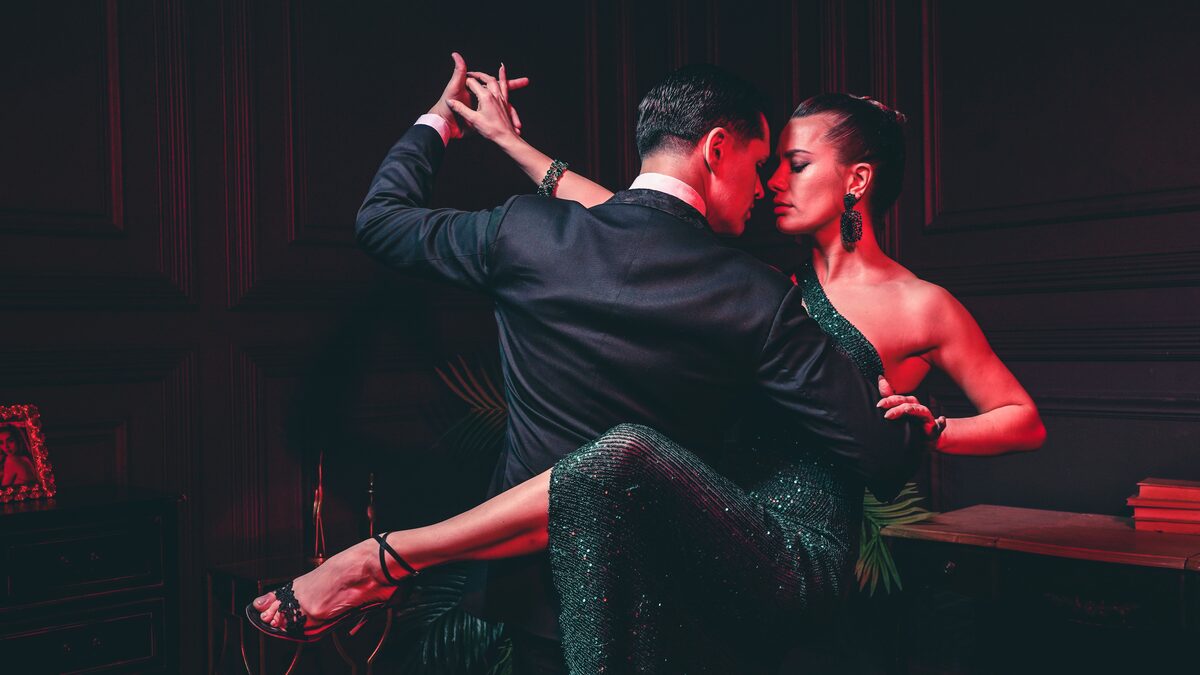
Two dancers face each other across a polished floor. The music holds its breath, then strikes, a sharp staccato figure that snaps like a struck match, and they move as one, sliding, pausing, turning with a precision that looks like a challenge and a seduction at the same time. A reed instrument swells with a sound that is almost human in its ache, the strings pull the tension tighter, and the whole room leans in. This is tango, the music of Buenos Aires, and it lives on drama. Every phrase is charged, every pause loaded, every release earned. There is no such thing as background tango. It demands that you feel it.
That intensity is what makes tango so rewarding to write, and it is exactly what you can pursue when you set out to make AI tango music. A tool like Suno can capture a striking amount of the drama, the bandoneon, and the push and pull of the dance when you describe them with care. A good tango generator prompt is really a description of tension and its release, of an instrument that sighs and cries, of a rhythm built for dancers. Let us walk through what gives tango its power, and then turn that understanding into prompts that carry real passion.
The dramatic, dance-driven rhythm
Tango began in the working class neighborhoods and port districts of Buenos Aires and Montevideo in the late 1800s, a music of immigrants and outsiders that grew up alongside a dance of the same name. From the start it was music made for bodies moving together, and that dance origin shapes everything about its rhythm. Tango is not smooth and flowing like a waltz. It is sharp, marked, and full of sudden stops.
The characteristic feel comes from a strongly accented beat, often in a driving four, with a marching, insistent pulse that the dancers stride against. Over that pulse the music is full of staccato attacks, short, clipped notes that hit hard and stop dead, giving the rhythm a jagged, dramatic edge. Then come the pauses, the sudden silences and held moments where the music freezes and the dancers strike a pose before the next phrase launches. That stop and start quality, tension coiled and then sprung, is the rhythmic signature of the style.
A rhythmic device you will hear again and again is a syncopated pattern that pushes and pulls against the steady beat, giving the music its characteristic lurch and drive. The rhythm section, usually piano and double bass, lays down this insistent, marked pulse while the melodic instruments dance above it. When you write a prompt, name this quality directly. Words like dramatic, staccato, marked rhythm, and dance driven point a model toward the sharp, theatrical pulse rather than a gentle, even flow.
The bandoneon and the strings
No instrument defines tango the way the bandoneon does. It is a type of concertina, a bellows driven reed instrument that looks like a small square accordion, brought to Argentina by European immigrants and adopted as the voice of the tango. Its sound is unmistakable, breathy and reedy, capable of a whisper and a wail, with a melancholy quality that seems to carry the whole history of the music in a single sustained chord. When the bandoneon swells and then contracts, the music seems to breathe and sigh like a living thing.
The bandoneon carries much of the melody and much of the emotion, and it is the first thing to name when you want an authentic tango sound. A model handed the word bandoneon has a far clearer target than one asked vaguely for accordion, since the bandoneon has a specific, plaintive character that sets the mood instantly.
Around the bandoneon sits the classic tango ensemble, traditionally known as the orquesta tipica. The violin, and often a full string section, weaves soaring, expressive melodies and adds a rich, aching sweep above the rhythm. The piano does double duty, driving the marked rhythm with its left hand while adding melodic flourishes with its right. The double bass anchors the low end with a deep, steady pulse. In a smaller group you might hear just bandoneon, violin, piano, and bass, while a full orchestra layers strings and multiple bandoneons for a grand, cinematic sound.
The strings deserve special attention because they carry so much of the passion. Where the bandoneon sighs, the violins soar, climbing into long, yearning lines that lean hard into the emotion. On dramatic passages the strings play with sharp, biting attacks, adding to the tension, and on the tender moments they turn warm and singing. When you prompt, ask for expressive strings and a plaintive bandoneon together, and you set up the two voices that define the tango conversation.
Part of what makes the orquesta tipica sound so distinctive is how these instruments trade roles within a single piece. At one moment the bandoneon leads and the strings answer, at the next the violins take the melody while the bandoneon adds a rhythmic pulse underneath, and the piano slips between driving the beat and decorating the tune. This constant handing off of the spotlight gives tango its conversational, theatrical quality, as if several characters are speaking in turn. You do not need to choreograph all of this in a prompt, but naming the ensemble as a group, an orquesta tipica with bandoneon, violin, piano, and bass, encourages the model to build the layered, shifting texture that a real tango orchestra produces, rather than a flat backing behind a single lead.
Passion, tension, and release
If you strip tango down to a single idea, it is this. Tango is the art of tension and release. Everything about the music, the sharp rhythm, the sighing bandoneon, the soaring strings, the sudden pauses, serves a constant pattern of building pressure and then letting it go. This is what gives the style its emotional grip and its unmistakable sense of drama.
You can hear it in the phrasing. A line will climb, tightening, the harmony growing more unstable, the rhythm pushing harder, until it reaches a peak of almost unbearable tension, and then it resolves, the pressure releases, and the music exhales. Then it begins again. This ebb and flow mirrors the dance itself, where partners move together in a charged embrace, holding a pose and then breaking into a sudden run of steps. The music and the dance are two sides of the same drama.
Emotionally, tango lives in a particular place. It is passionate, yes, but it is a passion shot through with melancholy, longing, and a kind of proud sorrow. The classic tango song lyric deals in heartbreak, nostalgia, lost love, and the ache of memory, sung with a dramatic, declamatory intensity. Even the instrumental pieces carry that bittersweet weight. The joy in tango is never simple. It is always aware of loss.
To bring this into your prompts, name the emotional arc as well as the instruments. Words like passionate, dramatic, melancholic, yearning, tension and release, and brooding steer the model toward the emotional core of the style. If you want a vocal, describe a dramatic, expressive singer pouring out heartbreak, since the tango vocal tradition is theatrical and deeply felt rather than cool and restrained.
The tension in tango also comes from its harmony, not just its rhythm and phrasing. Tango leans on minor keys and on chords that feel unsettled, that seem to lean somewhere without quite arriving, and it uses sudden shifts that catch the ear off guard. This harmonic restlessness is a big part of why the music feels charged even in its quiet moments, and it is why a tango can sound proud and wounded at the same time. You cannot dictate specific chords to a model in a text prompt, but you can point it in the right direction with words like minor key, dark harmony, and dramatic chords, which push the result away from the bright, settled feel of pop and toward the shadowed, restless character that gives tango its grip. Combine those harmonic cues with the rhythmic and emotional words above and you cover the three forces, rhythm, harmony, and phrasing, that together create the drama.
Classic versus tango nuevo
Tango has two broad worlds, and choosing between them sharpens your prompt considerably.
Classic tango is the sound of the golden age, roughly the 1930s and 1940s, when the great orquestas played for packed dance halls across Buenos Aires. This is dance music first, built on a clear, steady, marked rhythm that couples can move to, with elegant melodies and a warm, vintage orchestral sound. If you want that era, lean your prompt on words like classic tango, golden age, orquesta tipica, danceable, and elegant. The mood is romantic and refined, the rhythm reliable enough to dance to all night.
Tango nuevo is the modern evolution, associated above all with the composer Astor Piazzolla, who transformed the music from the 1950s onward. He kept the bandoneon and the drama but brought in the harmonies of jazz and the structures of classical music, writing tango for the concert hall rather than the dance floor. The rhythms grew more complex, the harmonies richer and stranger, the moods darker and more introspective. If you want this sound, reach for words like tango nuevo, Piazzolla style, modern, jazzy harmonies, concert tango, and dramatic, and expect something more adventurous and less strictly danceable.
There is a spectrum between and beyond these two poles, from the earliest raw tango of the port districts to the electronic tango fusion that mixes the bandoneon with modern beats. You can steer anywhere along that line by choosing your era and style words with intent. The essential step is to decide, before you write, whether you want the elegant danceable classic or the brooding modern nuevo, so the model commits to one world rather than muddling them together.
Getting that dramatic feel from prompts
Let us gather everything into prompts you can use. The approach is to name the marked, dramatic rhythm, name the bandoneon and the expressive strings, name the emotional arc of tension and release, and name the era, classic or nuevo. Cover those points and the model has what it needs to build something with genuine passion.
| What you want | Prompt to try |
|---|---|
| Classic golden age tango | Classic golden age tango, plaintive bandoneon lead, soaring violins, marked staccato rhythm, driving piano and double bass, elegant and danceable, romantic and dramatic, warm vintage orchestra |
| Passionate instrumental | Dramatic instrumental tango, sighing bandoneon, expressive string section, sharp staccato attacks and sudden pauses, building tension and release, passionate and melancholic, orquesta tipica |
| Tango nuevo concert piece | Tango nuevo in the style of Piazzolla, brooding bandoneon, complex jazzy harmonies, dramatic strings, syncopated modern rhythm, introspective and intense, concert tango |
| Heartbreak vocal tango | Vocal tango, dramatic expressive singer, heartbreak and nostalgia, plaintive bandoneon and strings, marked rhythm, passionate declamatory delivery, bittersweet and yearning |
| Dark electronic fusion | Electronic tango fusion, bandoneon over a modern beat, moody atmosphere, dramatic strings, tension and release, cinematic and brooding, danceable pulse |
Some practical advice once you start generating. First, protect the bandoneon. If a take comes back without that reedy, sighing voice, add plaintive bandoneon or the phrase bandoneon lead and generate again, because the bandoneon is the soul of the sound. Second, push the drama. If the result feels too even and gentle, stack words like staccato, marked rhythm, and dramatic to bring back the sharp attacks and pauses. Third, name the era clearly, since classic and nuevo pull in very different directions and a model will happily split the difference if you leave it open.
If you write lyrics, aim for the tango subject matter, heartbreak, memory, longing, the city at night, delivered in a theatrical, heartfelt voice. Long, flowing lines with a sense of yearning suit the style, and a dramatic peak in the middle of a verse gives the singer something to lean into. Keep the mood proud and bittersweet rather than lighthearted, since even a passionate tango carries a shadow of sorrow.
There is a whole poetic tradition behind those lyrics that you can draw on. The classic tango song looks back at what has been lost, an old neighborhood, a love that walked away, a youth that will not return, and it addresses these things directly, almost as if speaking to a person who is no longer there. The tone is intimate and confessional, sometimes bitter, sometimes tender, always dramatic. If you write in that spirit, your words will match the music, and the singer will have real emotion to carry. Avoid the temptation to make the lyrics cheerful or clever, because tango does not do light. It does depth, and its beauty comes from staring straight at sorrow without flinching. Feed the model that mood and it will color the melody and delivery to match, giving your song the weight the style demands.
When a take captures the feeling, keep it. Downloading your finished piece as a clean audio file lets you play it anywhere, share it with dancers or fellow tango lovers, or set it under a film scene without digging through an app to find it again. Saving your strongest takes as files also builds a reference library, so you can study which prompts produced the most aching bandoneon or the sharpest rhythm and refine your wording from there.
Tango, more than almost any music, rewards emotional commitment. It was made by people who poured heartbreak and pride into every phrase, and it asks the same of anyone who writes in its style. Describe the scene to the model with all the drama you can summon. Name the marked staccato rhythm, the sighing bandoneon, the soaring strings, and the arc of tension and release, choose your era, and generate until a take makes the hair on your arms stand up. Get that, and your AI tango music will carry the passion and the elegant sorrow that have made this music unforgettable for more than a century.
Compose your own tango
Write a tango prompt, chase the take that aches the most, and keep it. A clean download keeps your most dramatic work ready to share.
Open the free downloader