 Suno Downloader AI
How to make AI trance music with Suno
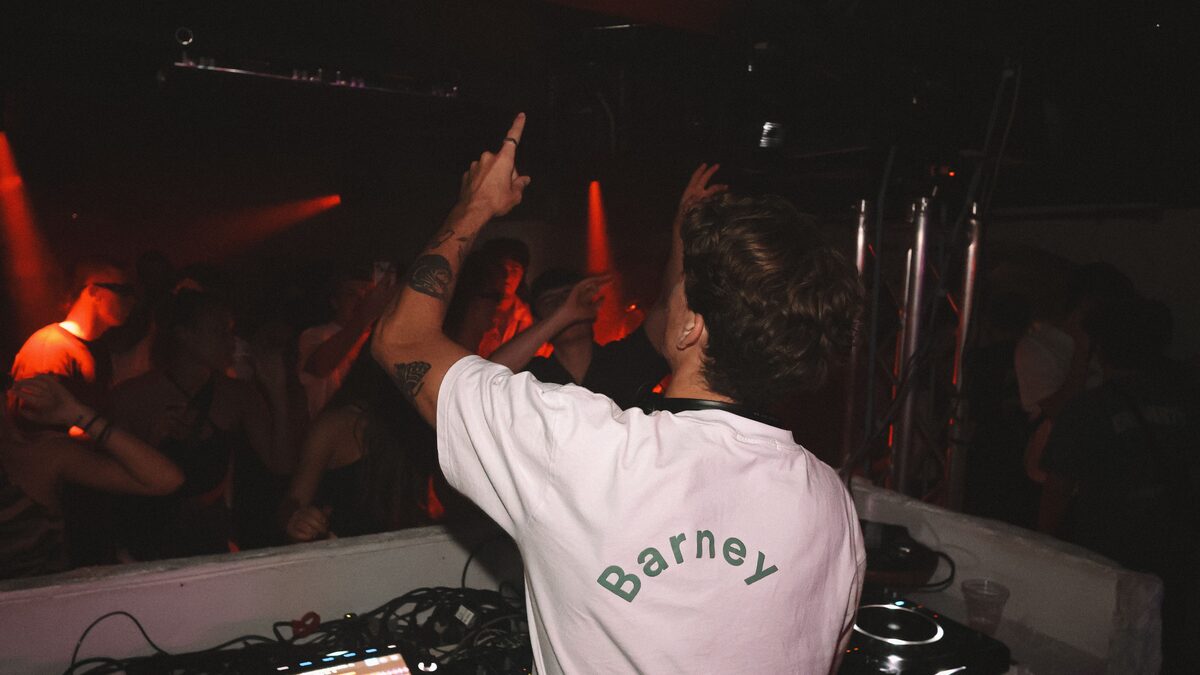
There is a single moment that trance is built around. The drums have dropped away, a wash of synths hangs in the air, and a melody starts to climb. It rises and rises, longer than feels reasonable, until the tension is almost unbearable, and then the beat crashes back in and the whole room lifts off the floor at once. That moment is the reason trance exists. Everything else in the track is there to set it up and to pay it off. When you make AI trance music with Suno, that is the moment you are building toward, and the more you understand how it works, the better you can ask a model to deliver it.
Trance is one of the more structured genres in dance music, which is a real advantage when you are prompting. It follows a shape you can learn, name, and request. Once you know the parts, you can guide Suno through the long build, the breakdown, the lift, and the release, and shape a track that actually moves the way trance is supposed to move.
The long, patient build
Trance does not rush. Where other dance genres get to the point quickly, trance takes its time, and that patience is the source of its power. A good track spends minutes adding one layer at a time. First the kick and a rolling bassline. Then a soft pad drifting underneath. Then a percussion loop, a shaker, a rising synth line that fades in so gradually you barely notice it arriving. Each element earns its place, and the crowd settles into the groove while the tension quietly stacks up.
This slow accumulation is what makes the later payoff hit so hard. If everything arrived at once there would be nothing to release. So when you prompt Suno, ask for that patience directly. Use language like gradual build, layered arrangement, slowly rising energy, and evolving synths. Ask for a track that adds elements over time rather than one that starts at full intensity. The model responds well to the idea of movement and progression, and framing your request as a journey rather than a loop helps enormously.
Tempo matters here too. Trance usually sits between 132 and 140 beats per minute, fast enough to drive but steady enough to feel hypnotic. Naming a tempo in that range gives the model a clear anchor. Combined with the idea of a long build, it sets the pace for everything that follows and keeps the track from collapsing into a quick, throwaway drop.
It helps to picture the build as a story with rising stakes. Each new layer is a small event, a promise that something bigger is coming. A hi-hat pattern opens up. A second synth answers the first. A filter slowly sweeps open so the whole track gets brighter and wider as it goes. None of these moments is dramatic on its own, but stacked together they create a sense of inevitability, a feeling that the track is heading somewhere and will not stop until it gets there. That momentum is what keeps a listener locked in through a build that might last two or three minutes, which in most other genres would feel like forever but in trance feels like exactly the right amount of waiting.
The breakdown and the euphoric lift
The breakdown is the heart of trance. This is the section where the drums pull back and the track opens up into space. The kick disappears or softens, the bassline drops out, and what is left is atmosphere. Pads, a lead melody, maybe a vocal floating over the top. Time seems to stretch. The dancefloor holds its breath. And then the energy begins to gather again, a snare roll or a rising white noise sweep building underneath, pulling everything upward toward the moment when the beat returns.
That return is the euphoric lift, and it is the single most important event in the track. When the kick slams back in after the breakdown, the release of all that stored tension is what people came for. It is joy delivered on a schedule. To get this from Suno, describe the arc in emotional terms. Ask for a breakdown that strips back to atmosphere, a rising tension that builds and builds, and a euphoric drop where the full beat returns. Words like uplifting, soaring, and emotional peak point the model straight at the feeling you want.
You can shape the breakdown's mood too. A melancholy, bittersweet breakdown that lifts into pure joy is a classic trance move, and it lands harder than relentless happiness. Contrast is the tool. The deeper and quieter the breakdown, the bigger the lift feels when it comes. Ask for that dynamic range, that fall before the rise, and the payoff gets its full weight.
The length of the breakdown is a lever worth playing with. A short breakdown gives you a quick reset and a fast return to the groove, good for a track meant to keep a room moving. A long, drawn-out breakdown, where the melody has time to develop and the tension has time to really build, delivers a much bigger release but asks more patience of the listener. There is no single right answer, only a choice that suits the mood you are after. When you prompt Suno, you can steer this by asking for either a brief breakdown or an extended, cinematic one. Try both and listen to how differently the drop hits in each case. Often the version that made you wait the longest is the one that gives you the biggest rush when the beat finally slams home.
Arpeggios and the lead
If the breakdown is the heart, the arpeggio is the voice. That fast, rippling pattern of notes, climbing and falling in a steady sixteenth-note run, is the sound most people picture when they think of trance. It shimmers and pulses, driving the energy forward while the melody sings over the top. A great trance lead is often simple, a handful of notes that lodge in your memory, but the arpeggio underneath keeps everything in constant motion.
When you prompt for this, be specific about the synth character. Ask for a bright supersaw lead, a rolling arpeggio, a plucky sixteenth-note pattern, or a soaring synth melody. These terms are well understood and steer Suno toward the classic trance palette. You can also ask for the arpeggio to sit under the lead so the two work together, the ripple providing energy while the melody provides the hook that people will hum on the way home.
The lead melody itself deserves care. Trance melodies tend to be emotional and singable, often built on simple, hopeful chord progressions. If you want the track to feel euphoric, the melody has to carry that feeling. Ask for an uplifting melody in a major key, or a bittersweet lead that resolves upward. The chords underneath do a lot of quiet work, so a progression that feels like it is always climbing keeps the whole track pointed at the sky.
Uplifting, progressive, and psytrance
Trance is a family of styles, and pointing Suno at the right member of the family sharpens your results. Uplifting trance is the euphoric, melodic peak-time sound, all big breakdowns, soaring leads, and unashamed emotion. It is the version most people picture, and it aims straight for the hands-in-the-air moment.
Progressive trance is more restrained and hypnotic. It grooves more than it soars, with subtler builds, deeper basslines, and a focus on gradual evolution rather than giant peaks. It rewards patience and works beautifully for longer, more immersive tracks. If you want something you can sink into rather than something that constantly explodes, progressive is the direction to name.
Psytrance is the fast, driving, hypnotic cousin, usually sitting between 140 and 150 beats per minute with a rolling, bubbling bassline and swirling, psychedelic textures. It trades the big emotional breakdown for relentless momentum and trippy sound design. It is a different kind of trance, more about the trance state itself than about euphoric release, and naming it takes Suno somewhere quite distinct. If you are exploring the broader dance world, our tour of AI EDM music covers how these genres relate and how to build a track outward from the drop.
There is also vocal trance, which sits close to the uplifting side but puts a singer at the center. A soaring vocal over a euphoric build adds a human thread to the emotion, and a strong vocal hook can make a trance track memorable long after the crowd has gone home. The words tend to be simple and hopeful, about letting go, rising up, or holding onto a feeling, and they work precisely because they do not try to be clever. If you want to go this way, name it clearly and describe the kind of voice you want, whether an airy female lead or a warmer, closer tone, so the model knows the vocal is meant to carry the song rather than sit in the background.
The four-on-the-floor engine
Under all of it sits the engine, and in trance that engine is a four-on-the-floor kick. A solid, steady kick drum on every beat, driving the track forward without variation, is the foundation everything else is built on. It is relentless in the best way, a heartbeat that never falters, and it is what makes trance feel like forward motion even during the quietest breakdown lead-in.
Paired with the kick is the offbeat bassline, that pumping bass note that lands between the kicks and gives trance its rolling, hypnotic drive. The interplay of kick and offbeat bass is the rhythmic core of the genre. When you prompt Suno, ask for a driving four-on-the-floor kick and a rolling offbeat bassline. These are foundational terms and they set the rhythmic feel immediately, giving all your melodic and atmospheric requests something solid to sit on.
Once you have generated a track with the engine running properly, downloading it right away is worth doing. Trance tracks live and die on their arrangement, and when you find a version where the build, breakdown, and lift all line up, you want that file saved before you start experimenting with new prompts. Keeping your best arrangement safe means you can push for a wilder version next time without risking the one that already works.
Getting that euphoric feel from prompts
Putting it together, a strong trance prompt names a substyle, a tempo, the core rhythm, the synth character, and above all the emotional arc. Trance is about feeling, so your prompt should describe not just the sounds but the journey they take the listener on. The table below offers starting points for different corners of the genre.
| What you want | Style prompt to try |
|---|---|
| Peak-time euphoria | uplifting trance, 138 bpm, driving four-on-the-floor kick, soaring supersaw lead, big emotional breakdown, euphoric drop |
| Hypnotic groove | progressive trance, 132 bpm, rolling offbeat bassline, deep evolving pads, subtle gradual build, hypnotic and immersive |
| Psychedelic drive | psytrance, 145 bpm, rolling bubbling bassline, swirling psychedelic synths, relentless momentum, trippy sound design |
| Emotional vocal trance | vocal trance, 136 bpm, uplifting female vocal, bright arpeggio, bittersweet breakdown lifting into euphoric chorus |
| Classic arpeggio anthem | uplifting trance, fast sixteenth-note arpeggio, simple hopeful melody in major key, long build, hands-in-the-air lift |
As always, treat these as openings. Generate a track, then listen specifically for the arc. Does the build feel long enough, or does it get to the drop too fast? Does the breakdown open up real space, or does it stay busy? Does the lift actually feel like a release? If any of those fall flat, adjust one thing and generate again. Ask for a longer build, a deeper breakdown, a more emotional lead. The euphoria comes from the shape of the track, so most of your best edits will be about arrangement rather than individual sounds.
It also helps to remember that contrast creates the feeling. A drop only soars if something quiet came before it. A melody only feels triumphant if it climbed from somewhere lower. So when a track feels flat, the fix is usually to make the quiet parts quieter and the build longer, not to make the loud parts louder. Give the tension room to gather, and the release takes care of itself.
Pay attention to the key and the chords as well, because they quietly decide whether a track feels hopeful or heavy. Trance leans on progressions that sound like they are always reaching upward, resolving in a way that feels like sunrise rather than sunset. A minor key can add that bittersweet ache in the breakdown, and then the shift toward brightness at the drop is what delivers the joy. You do not need to spell out music theory in a prompt, but words like hopeful, uplifting, and bittersweet nudge the model toward the right harmonic mood. When the chords and the arrangement both point at the sky, even a simple melody starts to feel enormous, and that is the sensation the whole genre is chasing.
Caught a version that really lifts?
When the build, the breakdown, and the drop all land, save that take right away. Grab a clean file before you chase the next idea.
Open the free downloaderTrance asks for patience, both from the listener and from you at the prompt box. It is not the genre that grabs you in the first eight bars. It is the genre that earns your attention slowly and then rewards it all at once. So give your tracks room to breathe, ask Suno for the long journey rather than the quick hit, and keep the versions where the lift genuinely lands. Download the ones that give you that weightless moment, and you will build a collection of tracks that do what trance was always meant to do, which is to hold a room in the air for a few perfect seconds before letting it back down.