 Suno Downloader AI
How to make an AI trip hop song with Suno
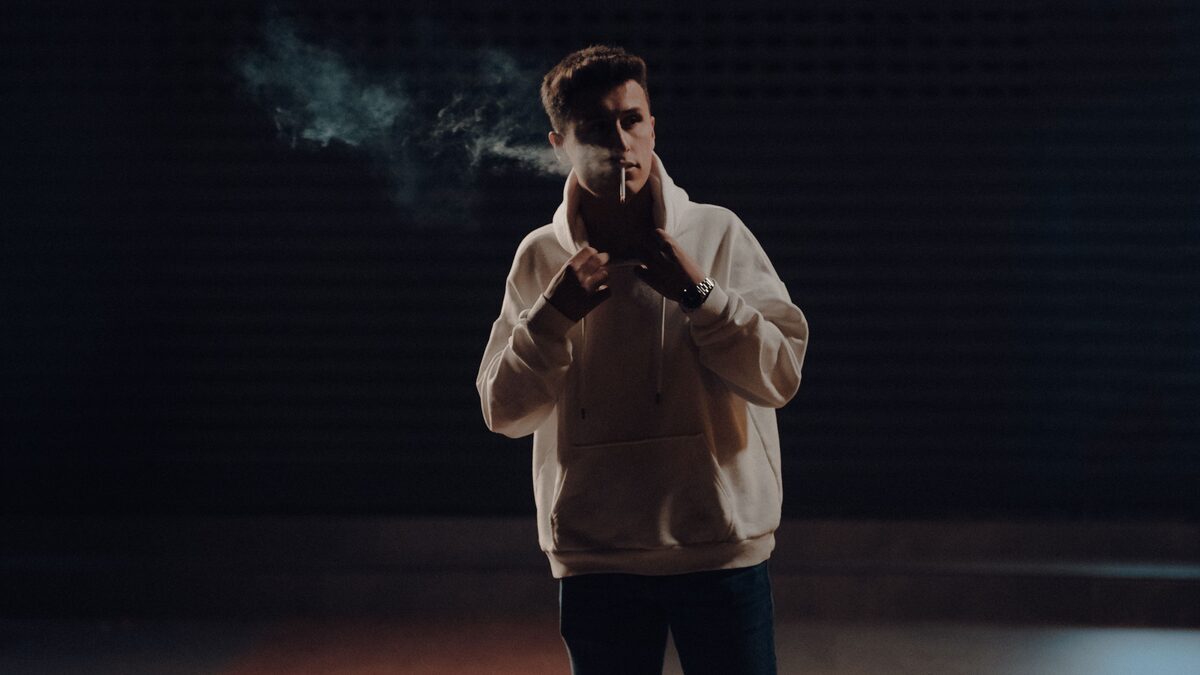
Trip hop lives in the space between a beat and a sigh. It is late-night music, the sound of a city cooling down after midnight, all smoke and shadow and slow-motion drums. The tempo drags on purpose. The samples sound like they were pulled off a warped record found in a dusty crate. Over the top, a voice floats in and out, half-heard, more texture than message. Bristol built this sound in the early 1990s, and groups like Portishead, Massive Attack, and Tricky turned downtempo hip hop into something moody and cinematic. Decades later, that haze still feels modern.
Making an AI trip hop song leans into mood before anything else. You are not chasing a hook or a drop. You are chasing an atmosphere: the feeling of rain on a window, of a neon sign buzzing across an empty street. This guide walks through how to build that feeling with Suno, from the heavy beat up through the dusty samples and cinematic textures, and then gives you prompt language that actually produces the smoke rather than a clean, bright pop track by accident.
The slow, heavy beat
Everything in trip hop starts with the drums, and the drums start slow. Most of the genre sits between 70 and 90 beats per minute. That tempo is what gives the music its heavy, dragging quality, like each snare hit lands a fraction later than you expect. The beat is usually built from a boom-bap hip hop pattern, but stretched out and given room to breathe. The kick is deep and round. The snare is fat and often drenched in reverb so it rings out into the empty spaces between hits.
When you ask Suno for trip hop, the tempo is the first thing to pin down. If you leave it vague, the model tends to drift faster, toward something that feels more like standard downtempo pop. Say the number. Ask for a slow, heavy beat around 80 bpm, and describe the drums as dusty, loose, and swung rather than tight and quantized. That swing matters. A little bit of human wobble in the timing is part of what makes the beat feel alive rather than mechanical.
The other half of a good trip hop beat is space. The pattern should not be busy. A kick, a snare, a few hi-hats, and long gaps where the reverb and the bass do the work. When you write your prompt, resist the urge to pile on percussion. Ask for a sparse, patient groove. The silence between the drum hits is where the mood collects, and if you fill every gap you lose the very thing that makes this style feel so weighted and slow.
It also helps to think about how the drums are recorded and processed, because production is half the character. Classic trip hop drums often sound like they came off an old sampler, slightly crunchy and compressed, with the transients softened so nothing pokes out too sharply. That squashed, glued-together quality makes the beat feel heavier still, as if the whole kit is being pressed into the track. You can ask for this directly by describing the drums as compressed, saturated, and slightly lo-fi, and by mentioning that they should sit low and thick in the mix rather than crisp and bright. A little grit on the drums goes a long way toward the smoky feel you are after.
Bass is the quiet partner to the beat, and it deserves attention too. In trip hop the bassline is usually simple, deep, and rounded, more felt than heard, holding down a single brooding note or a slow two-note movement that anchors the whole track. It should not be busy or funky. It should sit under everything like a low fog, giving the beat weight and the harmony a floor. When you prompt, ask for a deep, warm, simple sub bass that moves slowly, and let it be the gravity the rest of the track hangs from.
Dusty samples and atmosphere
If the beat is the skeleton, the samples are the skin. Classic trip hop was built out of borrowed sounds: a snatch of a soul record, a jazz piano chord, a string section from an old film score, all chopped up and looped until they sounded like memories rather than songs. The key quality is age. These samples sound dusty, worn, and slightly broken, as if the recording itself has been sitting in a basement for thirty years.
You can steer an AI toward that texture with the right words. Ask for vinyl crackle running under the whole track. Ask for a warped, detuned quality, like tape that has stretched over time. Mention a sampled feel, a looped piano or a looped guitar figure that repeats hypnotically. The repetition is important. Trip hop rarely moves through lots of chords. It finds one short, sad loop and lets it turn over and over, so the listener sinks into it rather than following it somewhere.
Atmosphere sits on top of those loops. Think of the little sounds that fill a room: a distant siren, the hum of a refrigerator, rain, the hiss of an old tape. These background layers are what make trip hop feel like a place rather than a performance. When you build your prompt, name a few of these textures. A track described as having rain, vinyl noise, and a faint, ghostly sample floating in the background will come back far moodier than one described only by its instruments. You can render your favorite version and keep downloading takes until the atmosphere sits right.
There is a reason the sampled feel matters so much beyond nostalgia. A sample carries the ghost of another performance, another room, another decade, and that layering of time is part of what gives trip hop its haunted quality. Even when you cannot literally sample a record inside a music model, you can ask for sounds that behave like samples: a horn line that fades in as if pulled off tape, a vocal snippet that repeats out of context, an orchestral stab that sounds borrowed from a film. The trick is to make the elements feel found rather than played, as though someone assembled the track from fragments of older music. That collage sensibility is central to the genre and worth naming in your prompt with words like sampled, chopped, and looped.
Do not overlook the effect of filtering. Trip hop producers love to run their loops through low-pass filters, so the high frequencies are rolled off and the sound turns dark and muffled, like music heard through a wall. That muffling adds to the late-night, underwater feeling. Asking for a filtered, muffled, dark tone on the samples pushes the model toward that closed-in atmosphere rather than a bright, open mix, and it is one of the fastest ways to make a track feel authentically hazy.
Moody, cinematic textures
Trip hop has always had one foot in the world of film. The strings, the minor keys, the sense of tension that never quite resolves: these are the tools of a soundtrack composer as much as a beatmaker. That cinematic quality is what separates a great trip hop track from a simple slow beat. It suggests a story is happening just off screen, something noir and unresolved.
To get there, think in terms of contrast. A heavy, grounded beat underneath, and something fragile and beautiful floating on top. That top layer might be a lonely piano, a swell of warm strings, a bent electric guitar note, or a breathy vocal that sounds close to the microphone. The gap between the weight of the drums and the delicacy of the melody is where the drama lives. Ask Suno for that pairing directly. Describe a cinematic string arrangement over a grimy, downtempo beat, and you set up the exact tension the genre runs on.
Tempo interacts with this drama in a subtle way. Because the beat is so slow, every element on top has room to stretch out and breathe, and a single sustained string note or a slowly bending guitar line can carry enormous weight. Fast music hides its details in motion; trip hop exposes them. That is why the small choices matter so much here, a single reverb tail, one cracked sample, the exact placement of a snare. When you generate takes, listen for those small moments, because a trip hop track often lives or dies on one haunting detail rather than on a big arrangement.
Key choice feeds the mood too. Minor keys dominate trip hop for a reason. They carry that built-in melancholy, the sense of something lost. You do not have to name a specific key, but you can ask for a dark, minor, melancholy feel, and the model will lean into sadder harmonic choices. Reverb is another texture worth calling out. A long, cavernous reverb on the vocal and the snare makes the whole track feel like it is happening in a vast, empty space, which is exactly the lonely atmosphere you want.
Trip hop versus downtempo
People use the words trip hop and downtempo loosely, and there is real overlap, but the distinction is worth understanding because it changes how you write your prompt. Downtempo is a broad umbrella. It covers any slow, relaxed electronic music, including a lot of smooth, pretty, chilled-out stuff meant for lounges and cafes. Trip hop is a specific corner of that world, and it is a good deal darker and grittier than most of what sits under the downtempo label.
The difference comes down to attitude. Downtempo often aims to soothe. Trip hop aims to unsettle, or at least to brood. There is grit in it, a hip hop backbone, a paranoid edge in the best of it. The production is dirtier, the samples more broken, the mood more noir. If you ask an AI for downtempo and get something smooth and glossy, that is the model doing its job. If you want the smoke and the shadow, you need to say trip hop specifically, and reach for words like grimy, dark, and cinematic to push away from the polished end of the spectrum.
The table below lays out where trip hop sits next to its neighbors, so you can aim your prompt at the exact corner you want rather than landing somewhere adjacent by accident.
| Style | Feel and how to steer it |
|---|---|
| Trip hop | Slow, dark, cinematic; broken samples, noir mood, hip hop drums; ask for grimy and moody |
| Downtempo | Slow but smoother and prettier; lounge-friendly; ask for warm and relaxed, not gritty |
| Chillhop | Mellow, jazzy, upbeat cousin; cleaner and sunnier; ask for cozy and easygoing |
| Abstract hip hop | Beat-driven and experimental; weirder samples, less melody; ask for glitchy and off-kilter |
Ready to hear the haze?
Turn your trip hop prompt into a real track, then save a clean copy to build on.
Open the free downloaderGetting that hazy sound from prompts
Now to the practical part: how to phrase all of this so the model gives you smoke instead of sunshine. The most reliable approach is to stack four kinds of detail into your prompt. First, the tempo and the beat: slow, heavy, dusty, around 80 bpm. Second, the samples and texture: vinyl crackle, warped loops, a sampled piano or guitar. Third, the mood: dark, minor, cinematic, melancholy. Fourth, the vocal, if you want one: breathy, distant, close to the mic, more feeling than words. Hit all four and you are most of the way there.
The single most common mistake is being too positive. Trip hop is not happy music, and if your prompt reads like a description of a bright pop song, that is what the model will build. Lean into the shadows. Words like smoky, grainy, nocturnal, and haunted do real work here. They tell the model to reach for darker samples, murkier production, and sadder chords. Do not be shy about it. The mood is the whole point, so front-load it.
Instrumentation cues help too. Naming a specific pairing, like a lonely Rhodes piano over a heavy break, gives the model something concrete to build around. So does asking for a specific era of sound. Referencing a 1990s, analog, tape-based production points the model at warmer, grittier textures than a modern digital sheen. You can also ask for the mix itself to feel a certain way, such as murky and lo-fi, with the drums pushed forward and everything else soft and blurry behind them.
When you have your prompt written, generate a few versions and listen for the atmosphere rather than the melody. The right take is the one that makes you feel like it is midnight and raining, even if you are hearing it at noon. Once you find it, download the version you like so you have a permanent copy, then treat that as your foundation. Trip hop rewards patience, so try several rounds of prompting, tweak one detail at a time, and let the mood build slowly. Here are some prompt fragments to get you started.
| What you want | Prompt language to try |
|---|---|
| The slow beat | "slow heavy trip hop beat around 80 bpm, dusty swung drums, deep kick, fat reverb snare, lots of space" |
| Dusty samples | "warped sampled piano loop, heavy vinyl crackle, tape hiss, hypnotic repeating figure, aged and worn" |
| Cinematic mood | "dark minor key, melancholy string swell over a grimy downtempo beat, noir and nocturnal atmosphere" |
| The vocal | "breathy distant female vocal close to the mic, drenched in long reverb, more texture than lyric" |
| The overall mix | "murky lo-fi 1990s tape production, drums pushed forward, everything else soft and blurry behind" |
Once you have a track you love, the workflow is simple. Refine the prompt until the mood is right, generate a handful of takes, and pick the smokiest one. From there you can keep it as a finished piece, layer your own vocal over the instrumental, or use it as a bed for a video or a podcast intro. The beauty of working this way is that trip hop is forgiving. It does not need a big chorus or a clever structure. It needs a groove and a feeling, and if you get those two things right, the track works. Keep the beat slow, keep the samples dusty, keep the mood dark, and let all that empty space do the rest of the talking.