 Suno Downloader AI
How to distribute AI music to streaming services
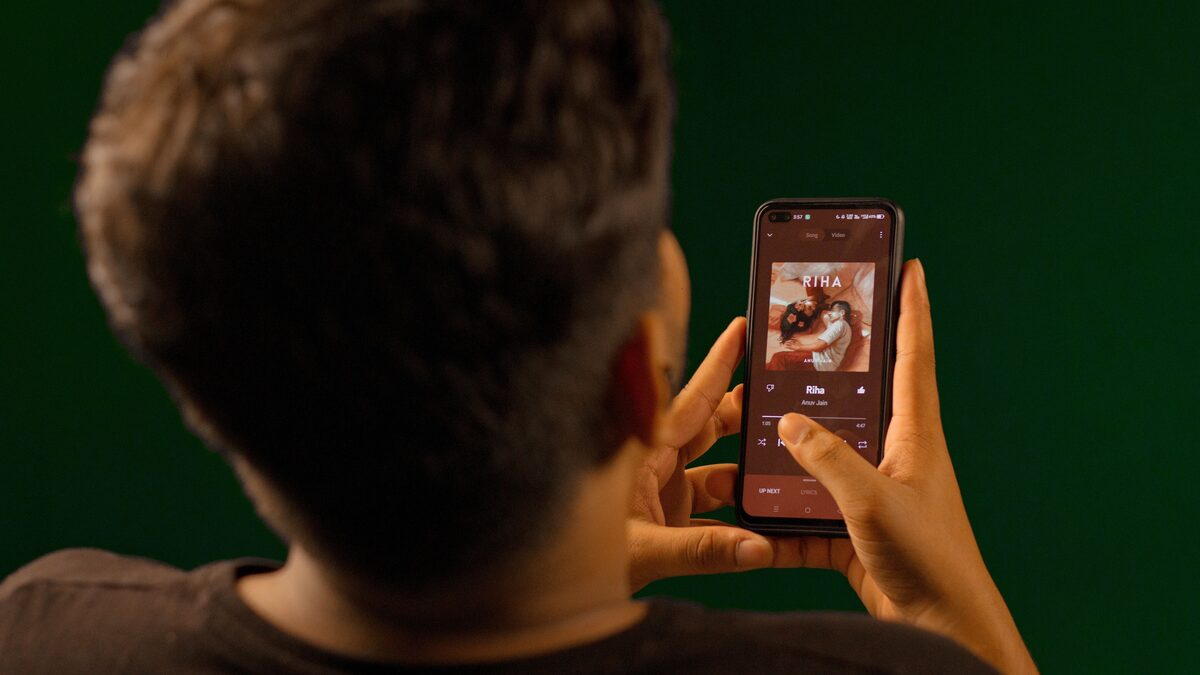
You made a track you actually like. It started as a text prompt, the model returned something with real hooks, and now it lives as a file on your computer. The natural next thought is: how do other people hear this on Spotify, Apple Music, or wherever they already listen? Getting a song from your hard drive onto streaming platforms is a specific process with a specific set of steps, and none of them are hard once you know the order. This guide walks through that order from start to finish.
The goal is simple to state and worth keeping in mind the whole way through. You want your finished track sitting in the catalogs that listeners search every day, with your name on it, playing back at good quality, credited and tagged correctly so it can be found. Everything below serves that single outcome.
Understand what a music distributor is
Streaming platforms do not let individuals upload songs directly. You cannot open Spotify, click a button, and add your track the way you would post a video to a social feed. Instead, the platforms accept music from approved partners called distributors. A distributor is the middle layer that takes your finished file and your release details, then delivers everything to dozens of stores and streaming services at once in the exact format each one demands.
Think of a distributor as a shipping company for audio. You hand over one package with clear labels, and they make sure a copy reaches every destination on your list, correctly addressed. Without this layer you would have to negotiate with each platform separately, which is not an option for independent creators. The distributor also handles the money side, collecting the small per-stream payments from each service and passing your share back to you.
This is why the very first practical decision is not about your song at all. It is about choosing the company that will carry it to the shelves. We will get to how to pick one, but understanding the role first makes the rest of the process make sense.
It also helps to know what a distributor does not do. A distributor does not promote your song, does not guarantee it lands on any playlist, and does not decide whether people like it. Some offer promotional add-ons, but the base job is delivery and accounting, nothing more. Keeping that boundary clear saves you from expecting the wrong things later. When your track goes live and the stream count sits low, that is not the distributor failing you; delivery worked exactly as promised, and the separate work of finding an audience simply has not happened yet. Understanding this now keeps your expectations honest through the whole process.
Check that you actually have the rights
Before you spend any effort on release logistics, confirm you are allowed to do this. Distributing music means claiming it as yours to commercially release, and that claim needs to be true.
Two things decide whether you hold the rights to an AI-generated track. The first is the terms of the tool you used to make it. AI music generators publish terms of service that spell out who owns the output and what you may do with it. Many tools tie commercial rights to a paid subscription tier, meaning free-tier songs may be fine for personal listening but not for a paid release. Read the current terms for your specific plan rather than trusting a summary you saw somewhere, because these terms change and platforms update them without much fanfare. Check current before you build a release on an assumption.
The second thing is the content of the track itself. If your prompt referenced a real artist's style, or if you added samples, lyrics, or melodies you do not own, those elements can carry rights that are not yours to give away. A clean release is one where every part of the song either came from the tool under a license that covers commercial use, or came from you. When in doubt, remake the questionable part rather than gambling on it. We cover the ownership question in more depth in our piece on whether you can sell Suno AI songs.
It is worth pausing on why this step comes before everything else. Rights problems do not usually appear at upload. They appear later, after a track is live and, sometimes, after it has started earning. A platform runs a content check, spots something that should not be there, and pulls the release, and now you are dealing with a takedown on a public catalog rather than a quiet edit on your own computer. Sorting the rights while the song is still just a file on your drive is the cheapest possible time to fix any problem. Once it is live, every fix is more expensive and more public, so the honest work up front pays off in peace of mind later.
Prepare the highest-quality file you can
Distributors and streaming services want the best source file you can give them, and for good reason. Every step after upload can only preserve or reduce quality, never add it back, so you want to start high.
If your tool can export a WAV file, use it. WAV is an uncompressed format, which means it holds the full audio without the quality loss that comes from squeezing a file into a smaller size. An MP3 is convenient for sharing and listening, but it has already thrown away some audio data to get small, and handing a distributor an MP3 asks them to build a release on a file that is already reduced. Most distributors accept WAV and many prefer it. If you only have an MP3, a release is still possible, but grab the WAV while you can if the option exists.
This is one reason it helps to save both formats when you first make a track. Our free downloader turns a Suno link into either an MP3 or a WAV, so you can keep the WAV for distribution and the MP3 for quick sharing and phone playback. Save the high-quality version now so you are not hunting for it on release day.
Grab the WAV before you release
Distributors want the cleanest source file you can give them. Paste your Suno link and pull down a full-quality WAV to submit, plus an MP3 for everyday listening.
Open the free downloaderGive the file a quick listen from start to finish before you move on. Check for an abrupt ending, a stray click, or silence that runs too long at the start or finish. Fixing a problem now is far easier than pulling a live release later. Listen on more than one set of speakers if you can, since a problem that hides on laptop speakers can jump out on headphones, and the version you submit is the one every listener will hear. This last check takes a couple of minutes and catches the kind of small flaw that is embarrassing to discover after a track is already public.
Sort out cover art and metadata
A release is more than audio. It carries a small bundle of information and one image, and platforms are strict about both.
Cover art is the square image listeners see next to your track. Services set minimum sizes and want a clean square with no blur, no stretched edges, and no text that reads like an advertisement. They also reject art that uses logos, trademarks, or images you do not have the right to use, so a photo you found through a search engine is a bad idea. Make something simple and yours, even if it is just a solid color with your track title set in a plain font. Check current image size requirements with whichever distributor you choose, since the minimum pixel dimensions shift over time.
Metadata is the text that describes your release. It includes the track title, the artist name you want to appear, the genre, the release date, and often a songwriter or contributor credit. Spell everything exactly the way you want it to appear in public, because this text is what shows up on every platform and what search relies on. Decide on one consistent artist name and use it every time, so your releases group together under one profile instead of scattering across slightly different spellings.
One field deserves special care: any question about whether the recording contains AI-generated content. Some distributors and platforms now ask you to declare this. Answer honestly. A truthful declaration protects your account, and the alternative can mean takedowns later.
Choose a distributor
Now you pick the company that carries your track to the stores. There are many, and rather than name a favorite, it helps to understand the general categories so you can match one to your situation.
Most distributors fall into two broad shapes. Some charge a flat yearly fee and then let you keep all of your streaming income. These tend to suit people who plan to release regularly and want predictable costs. Others charge nothing upfront and instead take a percentage of what your music earns. These lower the barrier to a first release but share your revenue for as long as the track stays up. Neither model is better in the abstract; the right one depends on how much you plan to release and how you feel about paying now versus sharing later.
When you compare specific options, look past the headline price at a few practical things. Check which stores and services each one delivers to, since coverage varies. Check how they pay you and how often. Check whether they place any restrictions on AI-generated music, because policies here are still settling and some are stricter than others. And check current pricing directly on each distributor's own page, because these numbers change and any figure quoted secondhand goes stale fast.
| What to check | Why it matters |
|---|---|
| Fee model | Flat annual fee versus a cut of your earnings changes the math over a track's life |
| Store coverage | Not every distributor reaches every platform you want to appear on |
| Payout schedule | How and how often you actually receive your streaming income |
| AI music policy | Some distributors restrict or require disclosure for AI-generated tracks |
Set up your account, verify your identity if asked, and confirm your payment details are correct so money can reach you later. This administrative part is dull but it only has to be done once. Do it carefully anyway, because a wrong bank detail or a mistyped tax field is the kind of small error that quietly blocks a payout months down the line, long after you have forgotten you entered it. Give the setup screens the same attention you would give the release itself.
One more thing worth deciding at this stage is your artist identity across the whole account. If you plan to release more than one track, the distributor account is where your catalog will live, so pick the artist name you want to be known by and keep it consistent from the first release. Switching names later can split your work across separate profiles on the streaming platforms, which is a headache to merge and confusing for anyone trying to follow you. A small decision now saves a real annoyance later.
Submit the release and wait
With a distributor chosen, you fill in the release. You upload your WAV, attach your cover art, enter your metadata, and pick a release date. A common piece of advice worth following: set the release date a few weeks out rather than choosing the earliest possible day. The extra time gives platforms room to process the submission, lets you catch any mistake before it goes public, and, if you care about playlists, gives you a window to plan around the date.
After you submit, the track enters a review and delivery pipeline. The distributor checks your files meet the technical requirements, then sends everything to each platform, and each platform runs its own ingestion and review before the track appears. This takes time. Do not expect your song to show up an hour later. The wait is normal, it is largely out of your hands, and refreshing the page will not speed it up. If a platform rejects the submission, the distributor usually tells you why, and the reason is often a fixable metadata or artwork issue rather than anything about the music.
What to expect after release
Your track goes live. It now sits in the same catalogs as every other song, which is exactly what you wanted and also a reminder that appearing on a platform is not the same as being found on it. Nothing about distribution promises listeners. It gets you onto the shelf; walking people to the shelf is a separate job.
Over the following days, your distributor's dashboard starts showing stream counts and, eventually, earnings. Per-stream payments are small, so early numbers can look humbling. That is normal and not a sign anything went wrong. If you want the track heard, the work now shifts to sharing the link, posting where your potential listeners already spend time, and, if it fits your goals, pitching to playlists.
Keep your source files and your login details somewhere safe. If you ever want to take the track down, update its details, or release a follow-up under the same artist name, you will be glad to have them. And if you plan to build a catalog, keeping a simple record of what you released and when will save you confusion a year from now when you have a dozen tracks live.
That is the whole path: understand the distributor's role, confirm your rights, prepare a clean high-quality file, sort art and metadata, pick a distributor that fits how you work, submit with room to spare, and treat release day as a beginning rather than a finish line. None of the steps are difficult on their own. Doing them in order, honestly, is what turns a file on your computer into a song other people can play. For a platform-specific walkthrough, our guide on how to upload Suno songs to Spotify covers that route in more detail.