 Suno Downloader AI
How to become an AI musician, starting from today
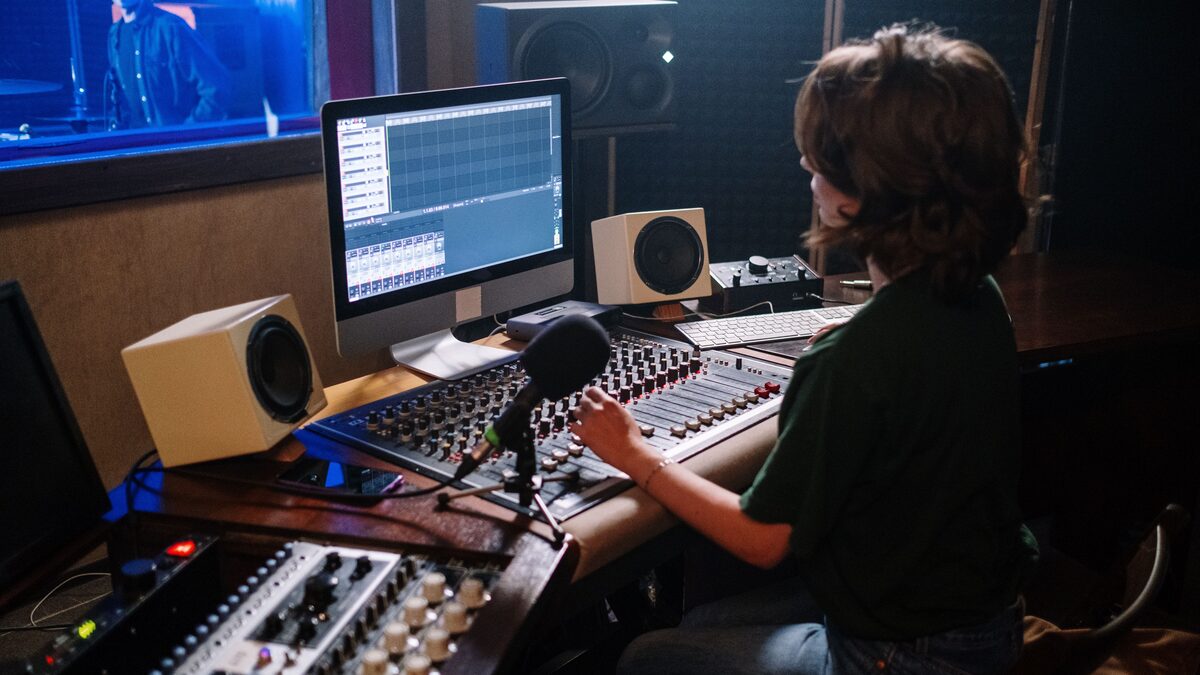
Here is the part nobody tells you often enough: you can start being an AI musician this afternoon. Not after you buy gear, not after a year of lessons, not once you understand music theory. The barrier that used to stand between an idea in your head and a finished song has mostly come down. If you can describe a mood in words, you can make music today, and everything after that is craft you build over time.
That does not mean it is trivial to become good, or that a first track makes you an artist. It means the entry point is wide open, and the real journey is what you do once you are through it. This roadmap lays out that journey honestly, stage by stage, from your very first generation to the point where people are actually listening.
Start by making a lot of music
The first stage is not about being good. It is about volume. The single fastest way to learn what AI music can and cannot do for you is to make a great deal of it, quickly and without precious feelings about any one track.
When you begin, most of what you produce will be forgettable, and that is exactly as it should be. Every generation teaches you something about how a prompt turns into sound. You learn that certain words steer the mood hard, that others barely register, that a genre you did not expect to like produces something that grabs you. None of that comes from reading about it. It comes from making thirty tracks in a week and paying attention to which ones surprised you.
So give yourself permission to be prolific and bad at first. Set a loose goal, something like making music most days for a few weeks, and do not judge the results yet. You are gathering raw experience and a pile of material to sift through. The judging comes later. Right now the job is quantity, because quantity is how you find the few tracks and the few directions worth taking seriously.
As you go, save the ones that catch your ear. You do not need a fancy system yet, just a folder of keepers. Those early favorites become the first clues to the sound you are actually drawn to, which is the next stage.
Find your sound and lane
Once you have made enough music to have opinions, patterns start to show. Look back at your keepers and ask what they have in common. Maybe they lean toward a certain tempo, a certain mood, a certain kind of vocal. Maybe you keep returning to one genre even when you try to branch out. That pull is worth listening to, because it points at your lane.
Having a lane matters more than beginners expect. Music made by someone with a clear direction lands differently from music made by someone doing a bit of everything. A lane gives you a center to work from, a reason for one track to sit next to another, and a way for a listener to know what to expect from you. It is not a cage. You can wander out of it whenever you like. But having a home base makes everything downstream, from releasing to building an audience, far easier.
Your lane can be a genre, but it can also be a mood, a theme, or a use case. Some artists own a feeling more than a style, calm music for focus, or dramatic music for video. Others build around a subject they keep writing about. The point is to notice what you naturally gravitate toward and lean into it on purpose, rather than staying scattered forever.
This stage is not permanent, either. Artists shift lanes across a career. But choosing one to develop now gives you something to get genuinely good at, instead of staying an eternal beginner across ten styles at once.
Learn to prompt and shape a song
Making music with AI is a skill, and like any skill it rewards deliberate practice. Early on you take whatever the tool hands you. As you improve, you start to shape the result toward what you actually hear in your head, and that shift is where casual users and serious ones part ways.
Prompting is the first half of it. You learn which words carry weight, how to describe an arrangement rather than just a genre, how specific to be about instruments, energy, and structure. You learn that a vague prompt gives a vague song, and that describing what you want with intent gets you closer. This is a craft you refine by paying attention to how each change in your words changes the output.
Shaping is the second half. Good tools let you do more than roll the dice once. You can take a version you like and push it further, extend a section, adjust a part, or rework a piece that was almost right. Learning to work with a track rather than simply accepting the first result is what turns a lucky generation into a song you meant to make. Treat the first output as a starting point, not a verdict.
The habit that speeds this up is comparison. When a track comes close, do not move on immediately. Try a variation, change one thing, and listen to what shifted. Over time you build an intuition for the controls, and that intuition is what lets you make what you intend instead of only what you stumble into.
Keep every track worth keeping
When a generation finally sounds the way you meant it to, save it. Paste the Suno share link and get a clean MP3 or WAV, no account needed.
Open the free downloaderBuild a small body of work
At some point you stop being someone who makes tracks and start being someone who has a catalog. That shift matters, because a body of work is what an audience can actually attach to. One good song is a moment. A collection of them in a consistent direction is an artist.
You do not need a hundred songs. A tight handful that share a sound and hold up on repeat listens is worth more than a huge pile of one-offs. Aim to build a small, real set you would be happy to put your name on. Curate ruthlessly. The songs that almost make it should stay out, because your body of work is judged by its weakest included track, not its best.
As you assemble this, save and organize your finished pieces properly. Pull each keeper down as a file, name it clearly, and keep your catalog somewhere you control rather than only inside an app. This is partly about safety and partly about mindset. Treating your finished songs as real, owned work, ready to release or revisit, is part of thinking like an artist rather than a hobbyist who dabbles and forgets.
This stage is where the earlier ones pay off. The volume gave you material, the lane gave you direction, and the craft gave you quality. Now you are shaping that into something with a shape of its own, a collection someone could listen through and understand what you are about.
Share and release
Music that never leaves your folder cannot reach anyone. Releasing is the stage a lot of people stall at, usually out of a quiet fear that the work is not ready. At some point you have to put it out anyway, because feedback from real listeners teaches you things no amount of private tweaking can.
Start where it is easy. Share a track with friends, post one where people who like your kind of music gather, put a small set somewhere it can be heard. You are not aiming for a huge launch. You are getting your music into the world and learning how it lands. The first release is mostly about crossing the line from private to public, which is a real threshold.
Before you release anything, make sure you understand the usage rights that apply to your music, since those depend on the tool and your plan and can affect where and how you are allowed to publish. Check the current terms directly rather than assuming, especially if a release might be tied to earning money. Getting this right early saves headaches later.
Release regularly rather than perfectly. A steady trickle of music keeps you visible and keeps you improving, while waiting for one flawless masterpiece usually means never releasing at all. Put things out, learn from the response, and let the next release be a little better than the last.
Grow an audience and maybe earn
An audience is built slowly, through showing up more than through any single clever move. The people who follow AI musicians tend to find them the same way they find any artist, by hearing something they like and wanting more of it. Your job is to keep giving them more of it and to be findable when they go looking.
Consistency does most of the work. Releasing on a rhythm, staying in your lane so listeners know what you are about, and being present where your kind of music gets discussed all add up over months. There is no shortcut that replaces simply continuing. Most artists who seem to appear overnight were quietly building for a long time first.
Earning can follow, but it is worth being honest about it. Money in music is hard for everyone, AI or not, and it usually comes later, from a mix of sources rather than one big break. If you want to pursue it, the groundwork is the same as the artistry: a real body of work, a clear identity, an audience that trusts you, and a proper handle on your rights so you are actually allowed to monetize what you make. Check current terms on that last point, because commercial use often depends on your plan.
The healthy way to hold this stage is to build for the love of it first and treat any income as a bonus that might grow. People who chase the money before the music usually run out of steam. People who keep making things they care about tend to stick around long enough for opportunities to find them.
Common mistakes on the way up
A few predictable traps slow people down, and knowing them in advance is the cheapest way to avoid them.
Perfectionism before anyone is listening. It is easy to polish a single track for days while you have no audience to polish it for. Early on, finishing and moving on teaches you more than endless refining. Save the deep polishing for when you know which songs deserve it.
Never choosing a direction. Staying scattered across ten genres feels like freedom, but it usually means you never get good at any of them and no listener knows what you are about. Picking a lane is not giving up options, it is giving yourself something to master.
Treating the first output as the finish line. The people who improve fastest are the ones who take a promising result and push it further rather than accepting whatever comes out first. If you only ever keep the initial generation, you are leaving most of the craft untouched.
Never saving anything properly. A pile of favorites trapped inside an app is fragile and hard to build on. Artists who last treat their finished work as real files they own, organized and backed up, ready to release or revisit. Getting into that habit early quietly separates the serious from the casual.
Waiting to feel like a real musician before acting like one. Nobody hands you that title. You become an AI musician by making music, choosing what to keep, and putting it out, not by reaching some moment of permission. The sooner you act the part, the sooner the identity catches up.
None of these are fatal, and most people hit a few of them. The point is not to be flawless. It is to recognize the trap when you are in it and climb out faster than you would have otherwise.
A realistic note on craft and originality
One honest thing to sit with as you go. AI makes the mechanics of producing a song easy, but it does not hand you taste, identity, or a point of view. Those still come from you, and they are what separate a musician from someone who types prompts.
The tool will happily generate endless competent, generic music. Standing out means bringing something the tool cannot supply on its own, your choices about what to make, what to keep, what to throw away, and what you are actually trying to say. Two people with the same tool can produce wildly different work, and the difference is entirely the human behind it. That is good news. It means the craft is still real, and getting better at it still matters.
Originality in this space is less about the technology and more about intention. Listen widely, notice what moves you, and let your work reflect a real perspective rather than a shrug. The artists who last are the ones who use the tool to say something, not just to produce sound. You do not need to have that figured out on day one. You just need to keep making, keep choosing, and let your point of view sharpen as you go.
Start now, refine forever
The whole arc, from your first messy generation to an audience that waits for your next release, is walkable, and it starts with a single track made today. Make a lot at first, notice your lane, get good at shaping a song, build a real body of work, put it out, and keep showing up. The tools have made the door wide. What you build once you are through it is still up to you, and that is exactly what makes it worth doing.